 Britannia Auctions
Private treaty sales in Sunderland
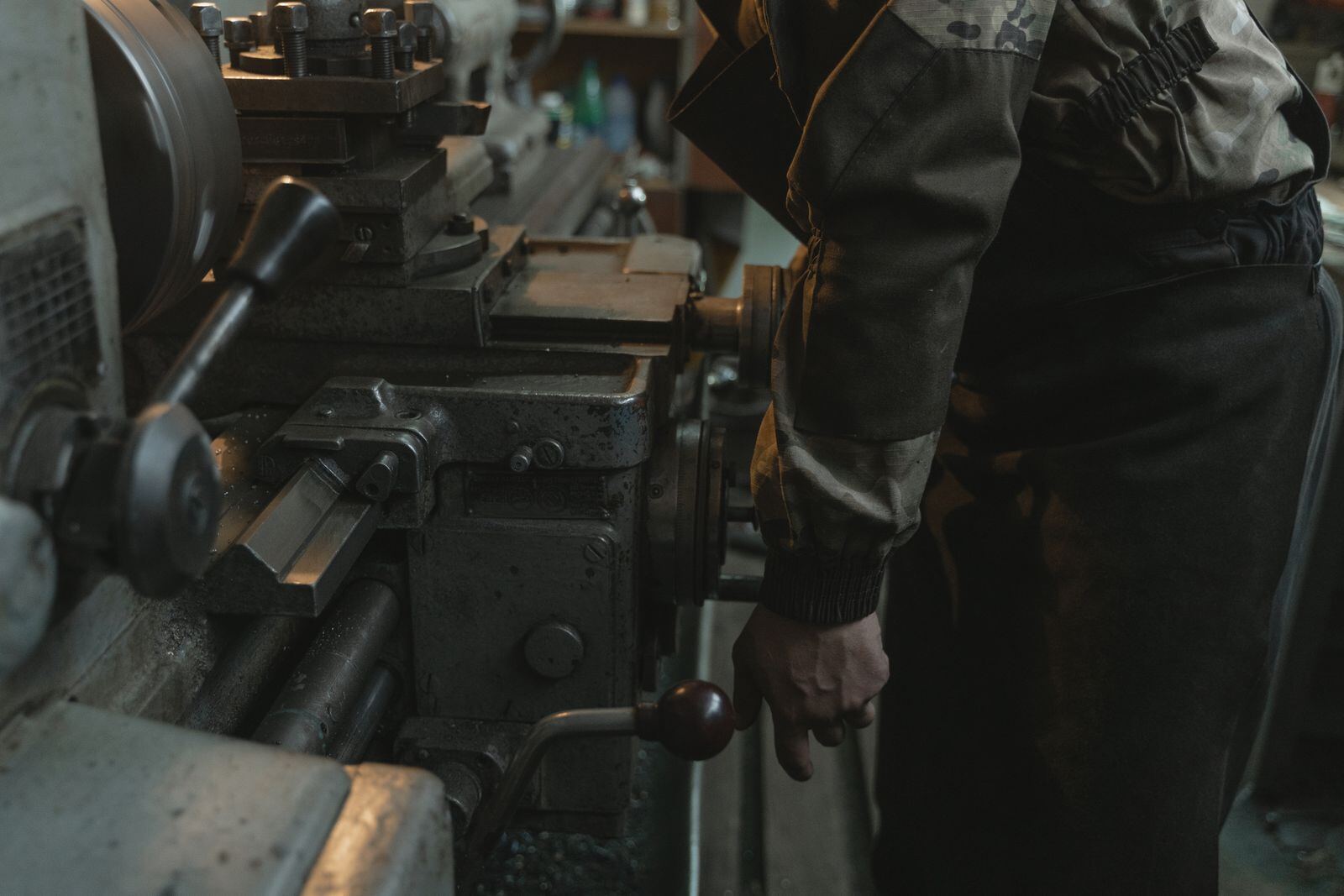
When a car model reaches the end of its run, the suppliers around Washington are left with machines bought for that programme. A large tonnage injection moulding machine that made door trims, a transfer press line for pressings, a robot welding cell built around one bracket, an automated seat assembly rig. These are single high value items with a small pool of buyers, and a week of bidding is a short window for a pool that size. Private treaty puts them in front of the moulders, pressworkers and dealers who use that plant, without a sale date and without a public catalogue.
We inspect the machine, write it up with the specification and service history, approach the buyers who deal in it and put every offer to you in writing with our view. Our fee is agreed in writing before marketing starts.
Big moulders and press lines from the car trade
The plastics and pressings suppliers on the Washington estates run machines that are large by any standard. Injection moulding machines of a thousand tonnes and more, tandem press lines, robot cells with their own guarding and conveyors, and the automated test and assembly rigs that go with seating and trim. The likely buyers for a big moulder are other automotive moulders, trade moulders, packaging and consumer goods firms that need the tonnage, and dealers who handle export. Press lines and robot cells suit pressworkers and integrators in Gateshead, Durham and further south.
We build a buyer list for each machine rather than one list for the lot. A moulder with its dryer, chiller, robot and conveyor gets described as a working cell, because that is how an end user is likely to weigh it. Where two or more parties are interested we run a sealed bid round with a closing date, so nobody has to guess what the other is thinking.
Planning around a model changeover date
A programme end is often known well ahead, and that is an advantage. Start the sale while the machine is still on contract and it can be marketed quietly, with a price agreed and a handover date set after the last production run. The buyer plans the removal and you keep producing until the end. How tightly the dates line up depends on the machine, the access and the buyer's own programme.
The Washington and Hylton estates were laid out for articulated traffic, and the approach, the turning space and the loading arrangements are still checked before the description is written. Most of the work is inside the building, where a big moulder needs the platen bolts cracked, the barrel supported and suitable handling equipment to reach the door. We set out the door height, the floor loading, the crane capacity on site and the route to the road, so every offer is made on the same facts.
Peterlee, Seaham, Durham and Chester-le-Street are near enough for a buyer to come and look.
What these sales can include
- CNC machining centres and lathes
- Printing presses
- Injection moulding machines
- Packaging lines
- Large generators and switchgear
- Cranes and heavy lifting equipment
- Specialist process plant
- Laboratory and test equipment
- Complete production cells
- Late model plant and vehicles
- Marine and rail equipment
- High value catering and bakery lines
How we market the asset
We inspect the asset, or have it inspected, and prepare a description with photographs, specification, condition and any service history. We then approach buyers directly: dealers who trade in that type of machine, and end users the asset suits. The asset can be advertised openly or offered only to selected parties. How open we are depends on how much confidentiality you need.
Interested buyers inspect by appointment. We attend or arrange access, answer questions and take offers. You are kept informed at each stage but do not have to deal with the buyers yourself.
There is no fixed end date. A private treaty sale takes as long as it takes to find the right buyer at the right price, which is one of its advantages and one of its costs.
The private treaty sales page covers when private treaty beats auction, how offers are handled, fees and what you receive, what to prepare.
Questions about selling in Sunderland
- Can I sell the moulds and press tools with the machine?
Often not, and it pays to check before we start. In the automotive supply chain the tooling is usually owned by the car maker, even when it has sat in your press for years. The contract will say who owns each tool and where it must go when the programme ends. We sell the machine, the robot and the ancillaries that belong to you, and we make it clear in the description that the tooling is excluded so no buyer prices for it.
- Is there a buyer for a robot cell built around one part?
Usually, though not as a cell. An integrator or a pressworker is more likely to want the robots, the controllers, the welding equipment and the guarding, and to rebuild them around their own part. A fixture and jig made for your bracket has little use elsewhere. We describe the robots by model, age, hours and controller, photograph the cell working, list the ancillaries and market it to integrators in the North East and across the UK who work with this kit.
More questions about private treaty
Related services
Guides
- Auction or private treaty: which route to choose
Auction gives you a fixed date and an open market. Private treaty gives you a negotiated price and privacy. This guide sets out when each route suits, what you give up with each, and why many sales use both.
- What happens to unsold lots
Not every lot sells, but the site still has to be cleared. This guide covers why lots go unsold, private treaty after the sale, lowering or removing the reserve, a later sale, scrap and WEEE recycling, and what disposal costs.