 Britannia Auctions
Private treaty sales in Telford
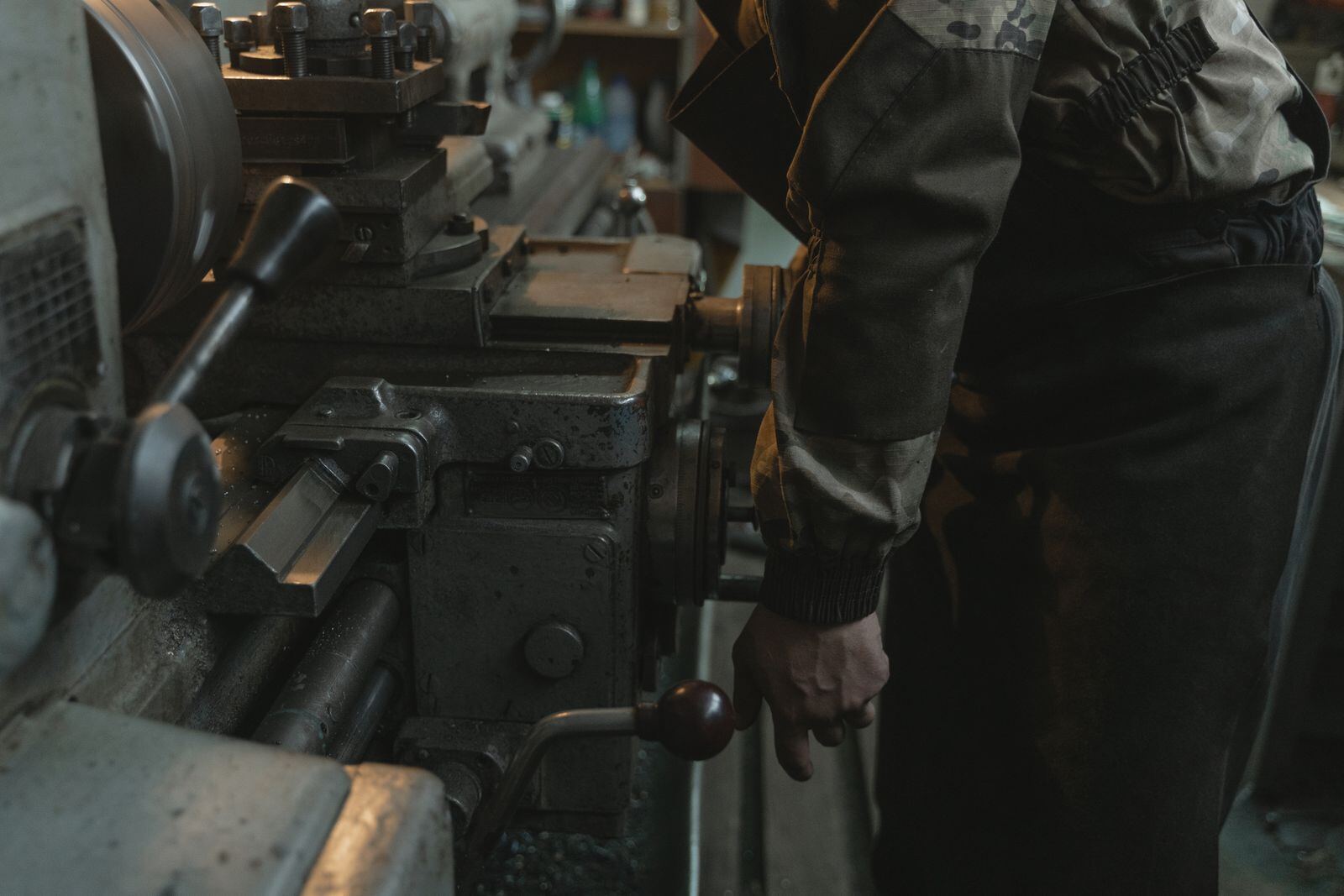
Telford holds a dense cluster of moulding shops, and machines change hands when a contract ends, a model changes, a customer moves production or a moulder consolidates on one site. A large tonnage injection moulding machine with its robot, dryer, chiller and mould handling kit is worth a serious sum, and its likely buyers are other moulders and a small number of dealers who follow that market closely. That suits a private treaty sale.
We inspect the machine, write it up with its hours, shot count, control version and service history, approach the buyers who deal in that type of machine and put every offer to you in writing. Our fee is agreed in writing before marketing starts, and there is no public sale date.
The same route serves the automotive component makers on the three estates, whose presses, welding cells, paint plant and assembly lines sell to other tier suppliers rather than to a general crowd.
Moulding machines sold by tonnage and hours
A moulder is priced on clamp tonnage, shot weight, hours and the age of the control. Expect questions on whether the machine has run technical or commodity parts, on the barrel and screw history, and on whether the ancillaries are included. A cell offered complete, with its robot, temperature controllers, granulator and mould, is closer to production for a working moulder than the machine alone, and it is described and priced that way.
Automotive component plant sells the same way. A press line or a welding cell that was built for a part which has now gone out of production goes to another tier supplier or a dealer who will re tool it, and the buyer wants the drawings, the PLC details, the tooling list and the maintenance log.
Wolverhampton, Stafford, Shrewsbury and Bridgnorth are within a short drive for a viewing, and dealers further afield work from the description and a video of the machine cycling.
Estate phases, doors and the lift plan
Telford was planned around its estates. Hortonwood, Stafford Park and Halesfield were laid out for lorries and connect to the M54 at junction 4 without a housing estate in between, and the phase numbering makes a removal route easy to describe. What each unit allows, from the door dimensions to the floor and the turning space in the yard, is checked on the visit.
That said, a large moulder is still a rigging job. It comes out in sections, the platens and the injection unit travel separately, and the floor under the machine has to take the weight of the crane. We settle the method, the crane position, the route to the door and the isolation of services before an offer is invited, and the sale terms set out who does what.
Timing follows the moulding trade. A machine freed by a model change is best marketed while it is still cycling, because a machine that can be seen making a part is easier to describe than one that has been stopped.
What these sales can include
- CNC machining centres and lathes
- Printing presses
- Injection moulding machines
- Packaging lines
- Large generators and switchgear
- Cranes and heavy lifting equipment
- Specialist process plant
- Laboratory and test equipment
- Complete production cells
- Late model plant and vehicles
- Marine and rail equipment
- High value catering and bakery lines
How we market the asset
We inspect the asset, or have it inspected, and prepare a description with photographs, specification, condition and any service history. We then approach buyers directly: dealers who trade in that type of machine, and end users the asset suits. The asset can be advertised openly or offered only to selected parties. How open we are depends on how much confidentiality you need.
Interested buyers inspect by appointment. We attend or arrange access, answer questions and take offers. You are kept informed at each stage but do not have to deal with the buyers yourself.
There is no fixed end date. A private treaty sale takes as long as it takes to find the right buyer at the right price, which is one of its advantages and one of its costs.
The private treaty sales page covers when private treaty beats auction, how offers are handled, fees and what you receive, what to prepare.
Questions about selling in Telford
- Can we sell the moulding cell but keep the mould?
Yes, and that is the usual position. Moulds normally belong to the customer, and the sale covers the machine and the ancillaries you own. We say in the description that the cell is sold without tooling, and where you have a mould you do own and want to include, we list it with its part history. A buyer testing the machine on a sample mould before they commit is normal and we arrange it by appointment.
- Will a dealer pay less than a moulder who will run the machine?
Sometimes, because a dealer has to refurbish, store, market and resell the machine and prices for that. A working moulder buying for a job may go further, but the machine has to fit their floor, their power supply, their product and their budget, so that pool is smaller. We approach both at the same time and put every offer to you with our view. Where two parties are serious we run sealed bids to a fixed closing date.
More questions about private treaty
Related services
Guides
- Auction or private treaty: which route to choose
Auction gives you a fixed date and an open market. Private treaty gives you a negotiated price and privacy. This guide sets out when each route suits, what you give up with each, and why many sales use both.
- What happens to unsold lots
Not every lot sells, but the site still has to be cleared. This guide covers why lots go unsold, private treaty after the sale, lowering or removing the reserve, a later sale, scrap and WEEE recycling, and what disposal costs.