 Britannia Auctions
Stock clearance auctions in Edinburgh
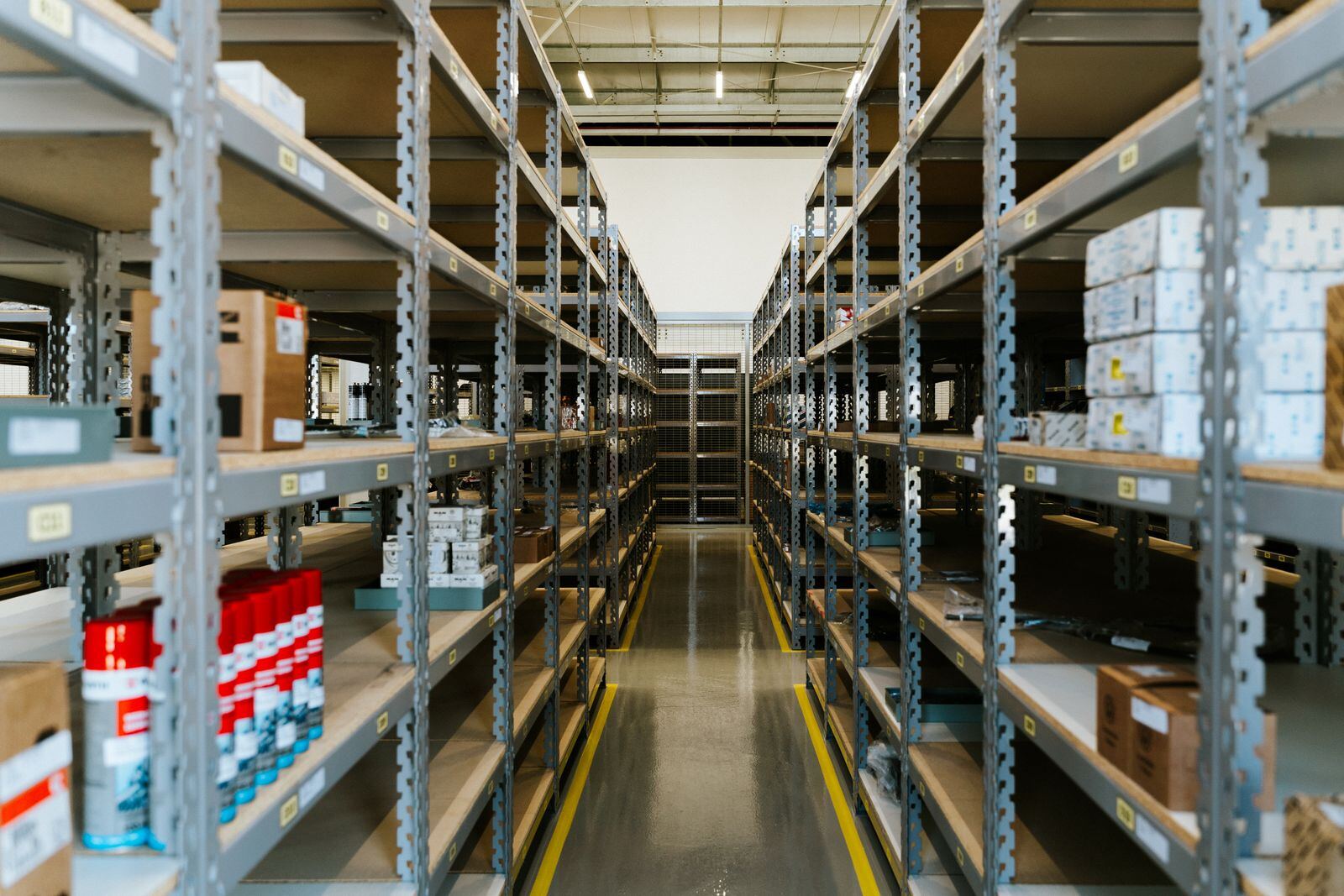
Contractors' yards fill up. A civil engineering or building firm working across the Lothians buys fixings, site consumables, drainage, timber and safety kit against each contract, and what the contract does not use comes back to the yard at Sighthill or Loanhead. Two or three jobs later the racking is full of stock nobody ordered for anything. Plant hire depots keep spares for machines they have sold. Vehicle workshops keep parts for fleets that have moved on.
That is the kind of stock we clear here, alongside the food, drink, packaging and printed goods that come up when a producer in Newbridge or a printer in the west of the city loses a contract.
We sell it online to trade buyers in lots they can use, and we clear it in a fixed window. Tell us what is on the racking.
Site stock left in the yard when a contract finishes
Construction surplus sells to the same trade that bought it. Groundworks contractors bid for drainage, ducting, geotextile and kerbs. Builders bid for fixings, timber, sheet materials and insulation. Roofers bid for membranes and battens. Safety kit, signage, fencing and barriers are lotted for all of them, because every site needs them.
We lot by trade rather than by which job the stock came back from, and we keep the packs whole. A pallet of one fixing is a lot. A bay of assorted ironmongery is a lot for the buyer who wants everything.
Plant spares sell alongside. Filters, pins, buckets, tracks and hydraulic hoses for machines the yard no longer runs go to other hirers and to owner operators, who know the part numbers. Hired in equipment stays out of the sale, and we check the hire records before listing anything with a supplier's sticker on it.
Room to work on the western estates
Sighthill and Newbridge were laid out with room to work, and the first visit confirms what your own yard offers: road width and turning space, hard standing, loading facilities and whether there is a forklift. The bypass keeps a lorry from Fife or the Borders out of the city. Collection then runs in booked slots over two or three days.
Leith and Seafield are checked the same way, for shared yards, dock height, door dimensions and floor levels, and the findings go in the catalogue so buyers know what vehicle to bring. Where a site suits vans and pallet trucks we lot smaller and spread collection over more days. If it cannot take collection at all, the stock can be sold from our own premises.
The trade in Livingston, Dalkeith, Musselburgh and Bathgate is a short drive away, and the Queensferry Crossing keeps Dunfermline close. The rest of the UK bids online and collects by haulier.
What these sales can include
- Discontinued product lines
- Overordered components and parts
- Customer returns and graded stock
- Seasonal goods
- Ex display and showroom items
- Packaging and consumables
- Raw materials and fabrics
- Bulk trade stock on pallets
- Tools and hardware
- Homeware and furniture stock
- Clothing and footwear
- Building products and fixings
Running the sale
A stock clearance runs as an online timed auction, open for a week to ten days in most cases. There is a viewing day at your premises, or at the location where the stock has been gathered. Bidders inspect the lots, then bid online until each lot closes.
After the sale, buyers collect within a window agreed with you, usually a few days. Collection is the point where a stock sale needs organising. Buyers arrive with vans and lorries, lots have to be handed to the right person and the paperwork has to match. Our staff manage the door and sign each lot out.
If you cannot host viewing and collection, the stock can be moved to our premises or a third party warehouse where that is agreed. That adds transport cost but keeps the process away from your trading site.
The stock clearance auctions page covers when an auction is the right route, lotting the stock, offered as seen and the buyer's position, alternatives to auction.
Questions about selling in Edinburgh
- Our yard is an older unit at Leith with no forklift. Can the sale still run there?
Yes, with some changes to how it is lotted. Pallets are kept to a weight a pallet truck and a tail lift can handle, and heavier items are sold as single lots for buyers who bring their own lifting. Collection is by appointment, with one vehicle at a time and a member of staff on the door. If the volume is high and the access is poor, it is often quicker to move the stock to our premises and sell from there.
- Some of the kit in the yard is hired in. Do we need to separate it before you come?
It helps, but it is not essential. We go through the yard with you during our first visit and pull out anything with a hire company's marking or a hire agreement behind it, because it belongs to them and goes back. Anything on finance, hire purchase or lease belongs to the funder until the agreement is settled, and it can only be sold with their agreement. What remains is yours to sell. Doing this at the start avoids a lot sold that has to be withdrawn later.
More questions about stock clearance
Related services
Guides
- What insolvency practitioners need from an auctioneer
For office holders realising physical assets. Covers the instruction letter, the asset schedule and valuation basis, retention of title, finance checks, site security, health and safety during the sale, and the reconciliation you need for the file.
- What happens to unsold lots
Not every lot sells, but the site still has to be cleared. This guide covers why lots go unsold, private treaty after the sale, lowering or removing the reserve, a later sale, scrap and WEEE recycling, and what disposal costs.