 Britannia Auctions
Stock clearance auctions in Milton Keynes
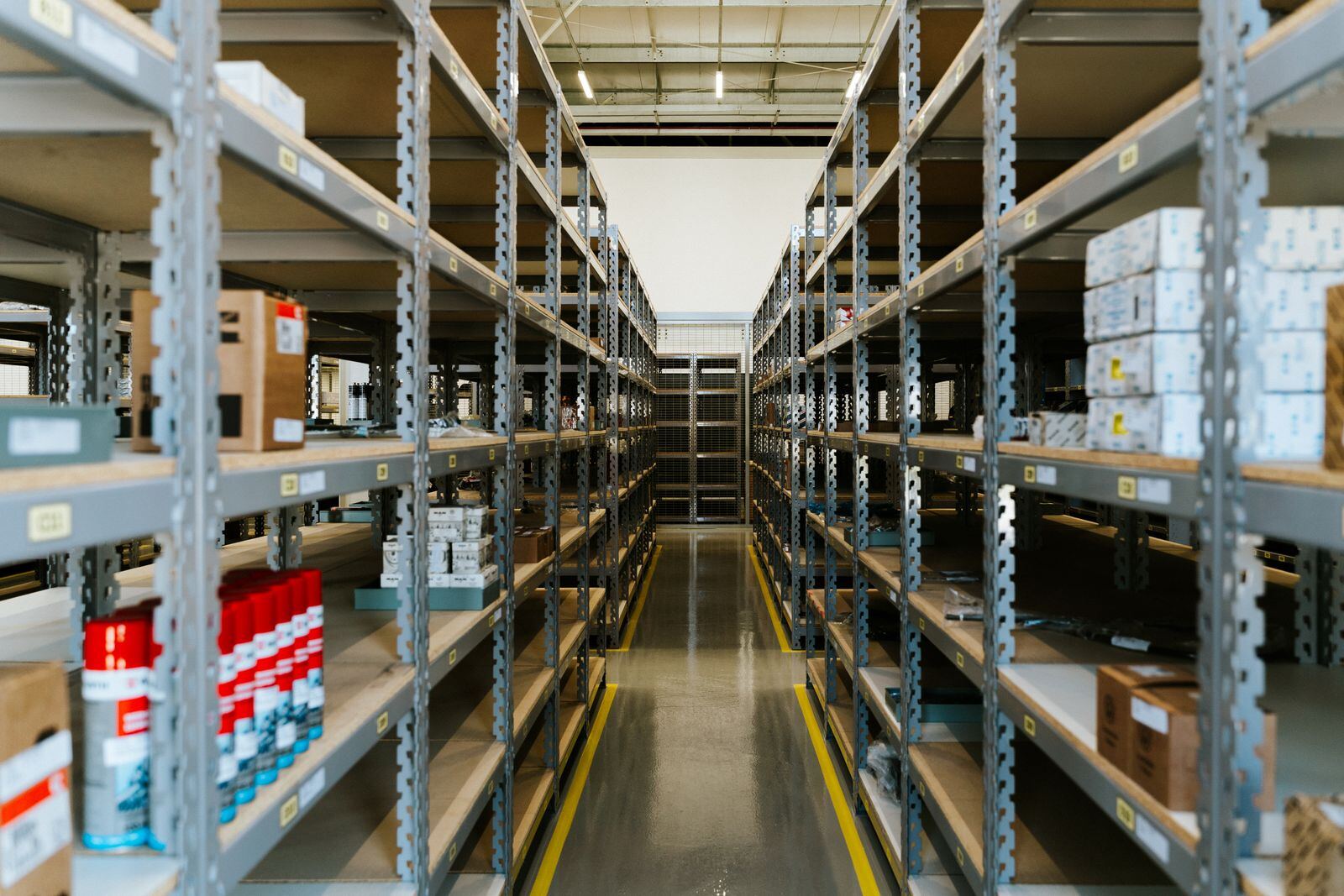
Retail supply chains leave a lot behind. Every range change, every failed promotion, every recall and every returns cycle ends with pallets in the back of a shed at Magna Park, Tongwell or Mount Farm that the retailer does not want back and the distributor cannot ship anywhere. Graded returns, seasonal goods that missed the window, display stock, packaging printed for a promotion that has ended. It is sound stock with nowhere to go, and it is taking up racking that a live account should be using.
Technology and motorsport firms on Knowlhill and Kingston add a different stream. Components ordered for a build that changed, and product held for a customer who cancelled.
We sell it all by online auction to the wholesalers, resellers, market traders and exporters who buy on price and volume. Lots are sized for both the artic and the van. Tell us what is on the racking and we will come and look.
Graded returns and the lines a range review left behind
Returns are sold as graded stock and buyers price them that way. We sort by grade, sealed stock apart from opened stock and faulty apart from both, and lot each grade on its own so a bidder knows what they are getting. Mixing grades in one pallet invites a bid priced on the worst item in it, so we do not.
End of range lines are easier. They are new, boxed and countable, and they sell by the pallet to wholesalers and by the case to the smaller resellers. We photograph a sample and count the cases on the racking rather than trusting the stock system, because the two rarely match and the count has to be right for the description to stand.
Retailer own brand stock needs the retailer's agreement before it goes in the sale. Most give it, and some ask for the labels to come off first. We settle that before the catalogue is written.
Slots at the dock and the grid roads out
The sheds here were built for volume, with docks along one wall, yards for artics and a grid road to the M1 at junction 13 or 14. What your own bay offers is still checked when we first visit, from turning space to dock levellers and the loading equipment available on the collection days. Each buyer gets a slot, full pallets are loaded at the dock, and the case lots go out from a marshalling area at a side door, with the window set by the number of lots.
The older units at Bletchley are checked for door dimensions, shared yards and turning space, and where those are tight we lot smaller and stagger the vans.
Bedford, Northampton, Luton, Leighton Buzzard and Aylesbury are each within easy reach, and exporters and larger wholesalers bid online from anywhere in the UK and collect by haulier.
What these sales can include
- Discontinued product lines
- Overordered components and parts
- Customer returns and graded stock
- Seasonal goods
- Ex display and showroom items
- Packaging and consumables
- Raw materials and fabrics
- Bulk trade stock on pallets
- Tools and hardware
- Homeware and furniture stock
- Clothing and footwear
- Building products and fixings
Running the sale
A stock clearance runs as an online timed auction, open for a week to ten days in most cases. There is a viewing day at your premises, or at the location where the stock has been gathered. Bidders inspect the lots, then bid online until each lot closes.
After the sale, buyers collect within a window agreed with you, usually a few days. Collection is the point where a stock sale needs organising. Buyers arrive with vans and lorries, lots have to be handed to the right person and the paperwork has to match. Our staff manage the door and sign each lot out.
If you cannot host viewing and collection, the stock can be moved to our premises or a third party warehouse where that is agreed. That adds transport cost but keeps the process away from your trading site.
The stock clearance auctions page covers when an auction is the right route, lotting the stock, offered as seen and the buyer's position, alternatives to auction.
Questions about selling in Milton Keynes
- The retailer has told us to destroy the returns rather than sell them. Do we have a choice?
It depends on the contract. If the goods are the retailer's, their instruction stands, and the most we can do is ask them whether a sale with their name removed would be acceptable, which is sometimes agreed. If the goods have passed to you, because the retailer has paid a credit against them or the contract says returns become yours, then the decision is yours. We ask to see the contract before we list, and we do not sell stock that another party has a right to withhold.
- The peak season is over and the shed has to be clear before the next one. How quickly can a sale run?
Three to four weeks from the first visit to an empty bay is a reasonable plan: a day or two to count and photograph, a week to ten days of bidding, then a collection window of two or three days. The dates depend on the lot count and the access. If the deadline is tighter, the stock can be moved to our own premises and the sale run from there, which gets your racking back sooner. Tell us the date the bay has to be empty and we will work back from it.
More questions about stock clearance
Related services
Guides
- What insolvency practitioners need from an auctioneer
For office holders realising physical assets. Covers the instruction letter, the asset schedule and valuation basis, retention of title, finance checks, site security, health and safety during the sale, and the reconciliation you need for the file.
- What happens to unsold lots
Not every lot sells, but the site still has to be cleared. This guide covers why lots go unsold, private treaty after the sale, lowering or removing the reserve, a later sale, scrap and WEEE recycling, and what disposal costs.