 Britannia Auctions
Stock clearance auctions in Norwich
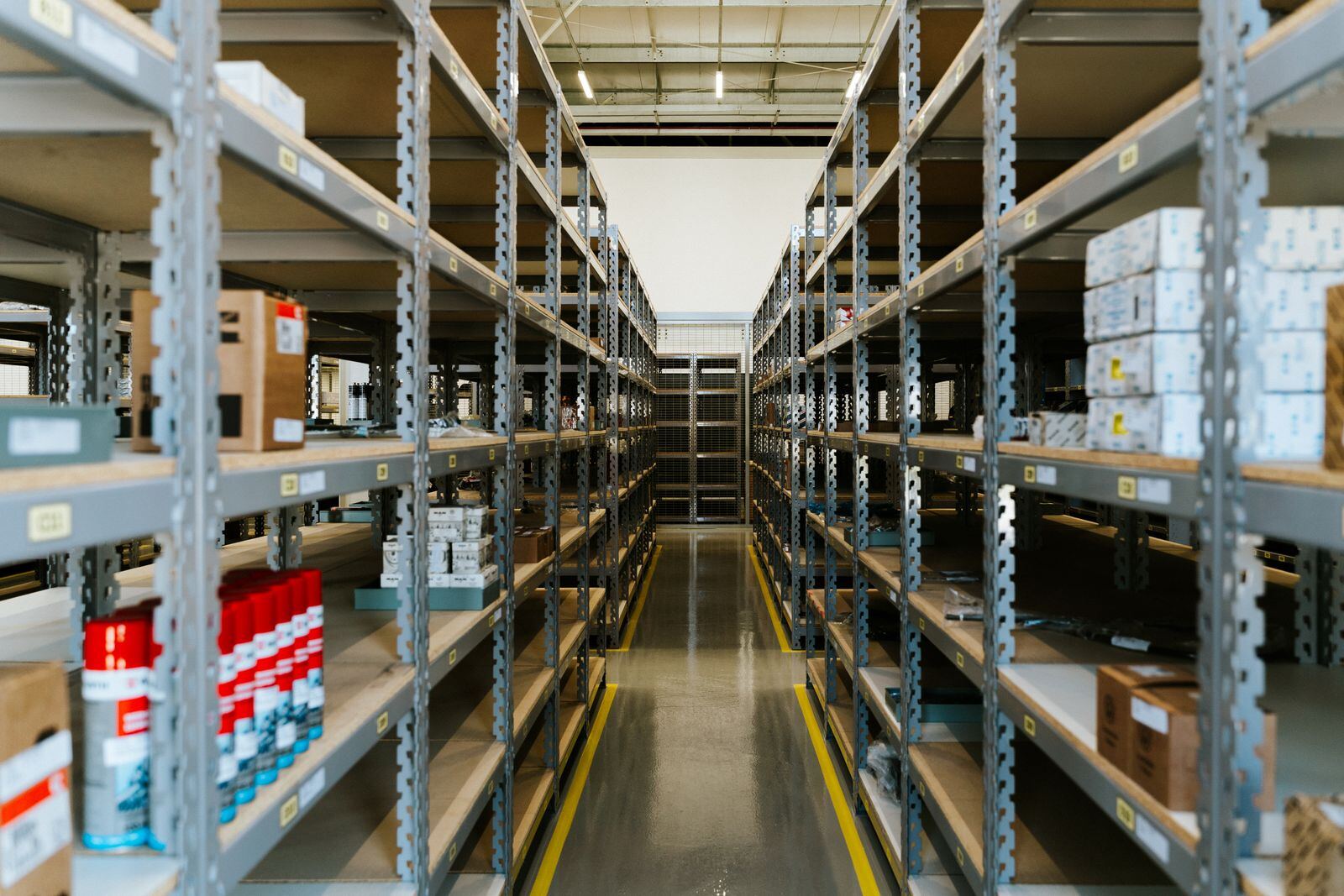
Much of the stock we clear around Norwich has a date on it, one way or another. Food and drink producers hold finished goods that a listing did not renew, ingredients bought for a run that was cut, cases of a flavour that did not take, and printed packaging for a product that has changed. Agricultural machinery dealers out in the villages hold parts for a season that has passed and ranges for a franchise that has moved on. Stock that misses its slot goes from asset to problem in a few weeks.
An auction gives that stock a date of its own. We count and lot it where it sits, run the bidding online for a week to ten days, and clear it in a short collection window. The food lines go to wholesalers and discount resellers who move short dated stock fast. The dealer parts go to farmers and repairers who will fit them. Tell us what you have and where.
Selling food and drink lines before the date runs out
Short dated stock has to be sold with the date in the catalogue and the sale timed to leave the buyer enough shelf life to sell it on. Shelf life is what a wholesaler prices on, and a pallet with three months left is a different proposition from one with three weeks, so the sooner we hear about it the better. Ambient lines sell from the site. Chilled and frozen stock stays in the cold store until the buyer's refrigerated vehicle arrives, and we lot in loads that fit one.
Ingredients and raw materials sell to other producers, usually within the county. Flour, sugar, oils and flavourings in sealed trade packs are listed with their certificates where those exist, because that is what buyers ask for.
Packaging is easy to overlook. Plain trays, cartons, film and labels are lotted by the pallet for other packers. Printed packaging with a brand on it needs the brand owner's agreement, and if that is not given it goes for recycling, not into the sale.
Collection from the villages beyond the ring road
A dealer's yard in a village off the A47 is not the same job as a unit on Broadland Business Park, so both are checked at the site visit: the lane and the approach, turning space, gateways and verges, the loading door and what there is to lift with. The findings go in the catalogue so buyers know what vehicle to bring. Rural sites are lotted smaller for a rigid or a van with a tail lift, and where the access would defeat thirty buyers the stock can come to our own premises and sell from there.
Food sites have their own rules. Buyers collecting from a factory follow the site's hygiene procedures and we brief them beforehand.
Great Yarmouth, Wymondham, Dereham, Diss and North Walsham are close enough to come and look, and the sale is online, so wholesalers anywhere in the UK can bid and send a lorry.
What these sales can include
- Discontinued product lines
- Overordered components and parts
- Customer returns and graded stock
- Seasonal goods
- Ex display and showroom items
- Packaging and consumables
- Raw materials and fabrics
- Bulk trade stock on pallets
- Tools and hardware
- Homeware and furniture stock
- Clothing and footwear
- Building products and fixings
Running the sale
A stock clearance runs as an online timed auction, open for a week to ten days in most cases. There is a viewing day at your premises, or at the location where the stock has been gathered. Bidders inspect the lots, then bid online until each lot closes.
After the sale, buyers collect within a window agreed with you, usually a few days. Collection is the point where a stock sale needs organising. Buyers arrive with vans and lorries, lots have to be handed to the right person and the paperwork has to match. Our staff manage the door and sign each lot out.
If you cannot host viewing and collection, the stock can be moved to our premises or a third party warehouse where that is agreed. That adds transport cost but keeps the process away from your trading site.
The stock clearance auctions page covers when an auction is the right route, lotting the stock, offered as seen and the buyer's position, alternatives to auction.
Questions about selling in Norwich
- Our stock is in a cold store and the electricity bill is the problem. How fast can it go?
Fast, if we are told early. Frozen stock can be catalogued in a day and sold in a short sale of about a week, with collection straight after by the buyers' refrigerated vehicles. Chilled stock is harder because the window is shorter, and it sometimes makes more sense to sell it by private treaty to one wholesaler within days. We will tell you which on the first call. Either way the aim is to get the store empty and the bill stopped.
- We are a dealer with parts for machines we no longer sell. Is a general stock sale the right place for them?
Usually yes, because dealer parts are catalogued for farmers, contractors, repairers and collectors, and a parts section sits inside a catalogue those buyers are already looking at. We lot boxed genuine parts by number so other dealers can bid, and we lot loose wearing parts and consumables by type. Machines and workshop equipment would be sold separately.
More questions about stock clearance
Related services
Guides
- What insolvency practitioners need from an auctioneer
For office holders realising physical assets. Covers the instruction letter, the asset schedule and valuation basis, retention of title, finance checks, site security, health and safety during the sale, and the reconciliation you need for the file.
- What happens to unsold lots
Not every lot sells, but the site still has to be cleared. This guide covers why lots go unsold, private treaty after the sale, lowering or removing the reserve, a later sale, scrap and WEEE recycling, and what disposal costs.