 Britannia Auctions
Stock clearance auctions in Preston
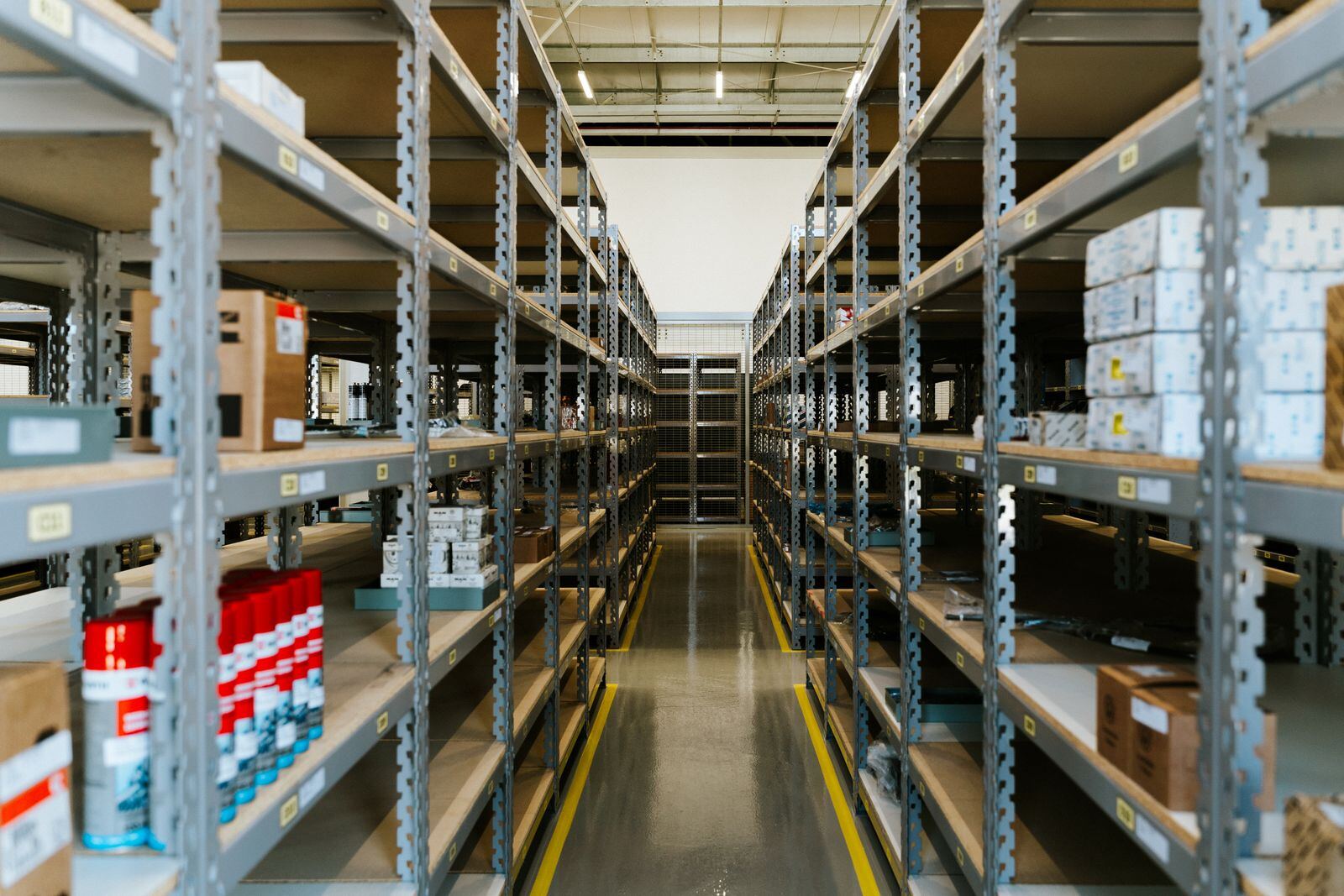
The aerospace supply chain around Samlesbury runs on consumables that date. Cutting tools and inserts bought for a part that is no longer machined here, composite prepreg and resin held in a freezer against a programme that slipped, gauges and fixtures made for one job, fasteners and sealants with a shelf life that ran out while the drawing was changed. A machine shop in the city can find itself holding a store of this worth more than its machines and worth nothing to it.
That stock is catalogued for the trades that use it. Tooling and fasteners are lotted for other machine shops, and composite material for fabricators who can use it where the certificates are with it. We also clear food production stock from the units off Roman Way and depot overstock from Walton Summit, and the same rule applies. Count it, describe it plainly, sell it online in a week to ten days, clear it in one window.
Inserts, cutters and composite material with paperwork
Tooling sells on the part number and the condition. New inserts in sealed boxes go by the box or the tray and are catalogued for the machine shop trade. Solid carbide cutters, drills, taps and reamers sell the same way. Used and reground tooling sells as a mixed lot for less. We photograph the boxes so the buyer can read the grade and geometry for themselves.
Composite material is different. Prepreg has a freezer life and an out life, and a buyer needs the batch certificate and the storage record to use it on anything that flies. With those, it sells to fabricators and repair stations. Without them, it sells to the motorsport and marine trade for non aerospace work, at a lower price, and the catalogue says so. Resins, adhesives, primers and sealants past their date are described by the date and sold for what they are.
Fixtures and gauges made for a specific part rarely sell beyond scrap value. We say that up front rather than list them and disappoint.
Hard standing at Red Scar and a short run to the M6
Red Scar and Walton Summit were laid out for lorries, though the first visit still checks the unit itself: the yard, the door, the turning space and the loading equipment on site. Buyers with a wagon back onto the dock. Buyers with a van take their lots from a marshalling area. Junctions 31 and 31a of the M6 are minutes away, so a haulier from the Midlands or the north east loads and goes.
The units at Riversway and the older workshops in the city are checked for floor level, stair and lift access and what there is to load with. Tooling is heavy for its size, so removal arrangements depend on the weight, the route out and the premises, and where the route is difficult the stock can come to our own premises and sell from there.
Chorley, Leyland, Blackburn and Blackpool are close enough to inspect the lots before the sale closes, as are the aerospace subcontractors along the M6 corridor. Buyers further away bid online and collect by carrier.
What these sales can include
- Discontinued product lines
- Overordered components and parts
- Customer returns and graded stock
- Seasonal goods
- Ex display and showroom items
- Packaging and consumables
- Raw materials and fabrics
- Bulk trade stock on pallets
- Tools and hardware
- Homeware and furniture stock
- Clothing and footwear
- Building products and fixings
Running the sale
A stock clearance runs as an online timed auction, open for a week to ten days in most cases. There is a viewing day at your premises, or at the location where the stock has been gathered. Bidders inspect the lots, then bid online until each lot closes.
After the sale, buyers collect within a window agreed with you, usually a few days. Collection is the point where a stock sale needs organising. Buyers arrive with vans and lorries, lots have to be handed to the right person and the paperwork has to match. Our staff manage the door and sign each lot out.
If you cannot host viewing and collection, the stock can be moved to our premises or a third party warehouse where that is agreed. That adds transport cost but keeps the process away from your trading site.
The stock clearance auctions page covers when an auction is the right route, lotting the stock, offered as seen and the buyer's position, alternatives to auction.
Questions about selling in Preston
- Our prepreg has been in the freezer past its out life. Is it worth listing?
It is, as long as we describe it honestly. Material past its life cannot be used for certified aerospace work, but the motorsport, marine, sporting goods and hobby trades can use it for parts that do not need the certificate. We list the material, the batch, the roll length and the storage history, and state that it is sold for non certified use. The price is a fraction of what you paid, but the freezer is empty and the electricity bill stops.
- The food line stock at our Roman Way unit has a use by date in six weeks. Is that too short?
Not for ambient stock, if we move now. A short sale of about a week and collection straight after leaves the buyer with four weeks to shift it, which is enough for the discount wholesalers who deal in short dated goods. For chilled stock the answer is probably a private treaty sale to one buyer within days rather than an auction. Tell us the dates on the first call and we will say which route fits.
More questions about stock clearance
Related services
Guides
- What insolvency practitioners need from an auctioneer
For office holders realising physical assets. Covers the instruction letter, the asset schedule and valuation basis, retention of title, finance checks, site security, health and safety during the sale, and the reconciliation you need for the file.
- What happens to unsold lots
Not every lot sells, but the site still has to be cleared. This guide covers why lots go unsold, private treaty after the sale, lowering or removing the reserve, a later sale, scrap and WEEE recycling, and what disposal costs.