 Britannia Auctions
Stock clearance auctions in Reading
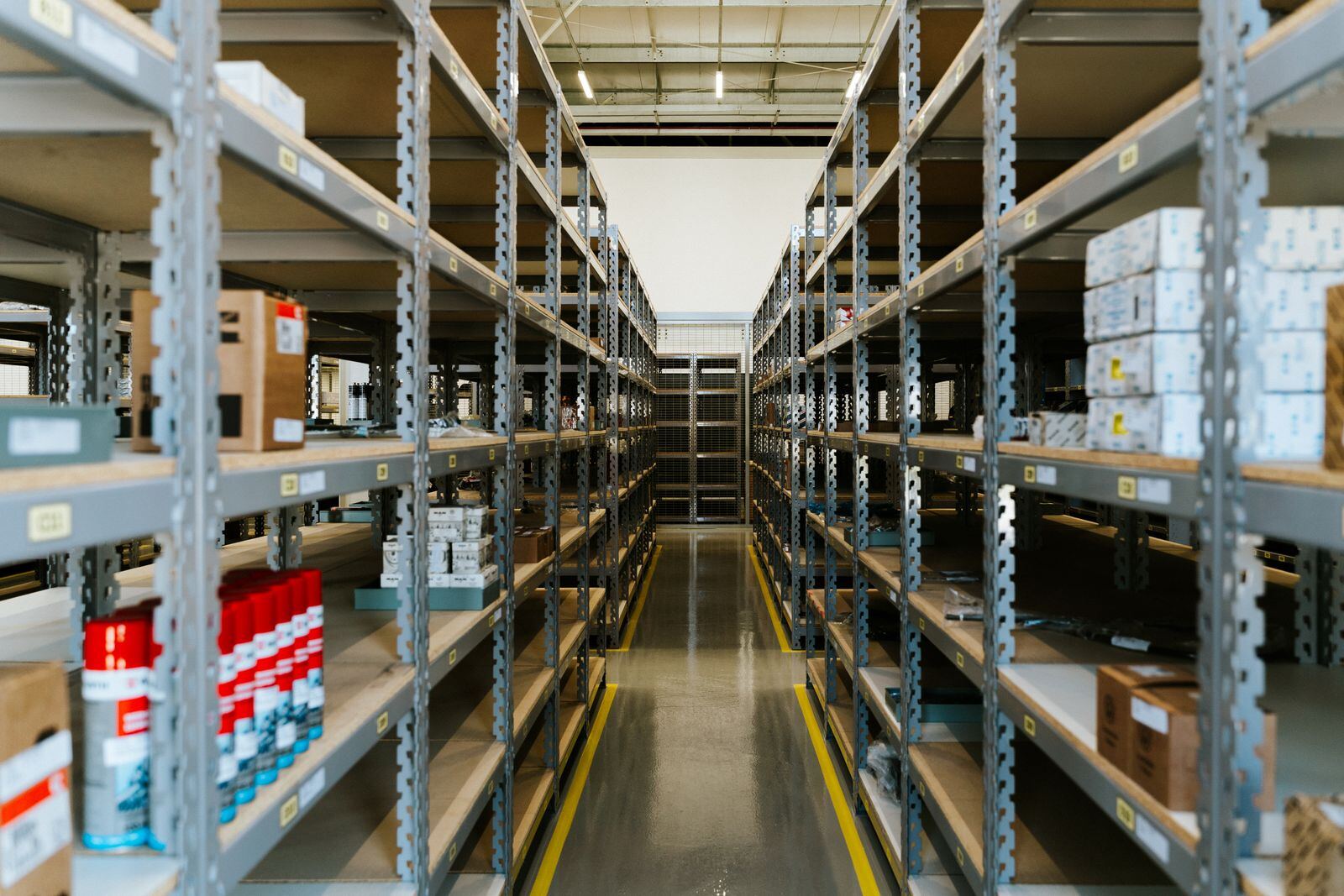
Technology stock ages faster than anything else we sell. A distributor or reseller in the Thames Valley holding boxed hardware, accessories, cables and peripherals a generation behind has an asset that loses value every month it sits in Theale or on Basingstoke Road. The same is true, more slowly, of the trade stock in the workshops and suppliers on Battle Farm Trading Estate, where a closed branch leaves fixings, consumables, tools and vehicle parts on the shelves.
Speed is the argument for auction. We catalogue in days, the sale runs for a week to ten days, and the stock is collected in a fixed window. Resellers, refurbishers, IT recyclers and exporters bid for the hardware. Trade buyers from across Berkshire bid for the rest.
Use the contact form to say what you hold and how it is stored, and we will tell you how we would lot it.
Boxed hardware and the lines that date
New, boxed and a generation behind is still saleable. Resellers who serve the education, public sector, charity and small business markets can use last year's model at clearance prices, and exporters take pallets for markets where the newest model is not expected. Accessories and consumables such as cables, cases, toner and batteries sell to anyone who stocks them, because they do not date in the same way.
We lot by product line and condition. Sealed units in quantity go in bulk lots for resellers. Open box, ex demonstration, refurbished and customer return units are lotted separately and described as such, with the fault noted where there is one. Anything with a serial number is listed with it, so a buyer can check the warranty position.
Devices that have been used need their data cleared before sale. That is your responsibility, and we will not list a device until we have your confirmation that it has been done.
Warehouse slots at Theale and van days in town
Theale is usually the simpler end. The distribution units near junction 12 were built with loading bays and yards for articulated lorries, and the first visit confirms what your own unit has, including the forklift and who will be operating it. Collection then runs in booked slots.
The trade estates in town are a different job. Units on Loverock Road and Portman Road are checked for shared yards, street parking, mezzanine floors and the lift or stair route out, and what we find goes in the catalogue. Lots are sized for a van where that is what the route allows, and collection runs over more days with fewer people at a time.
Wokingham, Bracknell, Newbury and Basingstoke are near enough to view in person, and the M4 puts London and Bristol either side. Technology stock is small, high value, easily packed and cheap to send by courier, so the online side of the sale carries much of it.
What these sales can include
- Discontinued product lines
- Overordered components and parts
- Customer returns and graded stock
- Seasonal goods
- Ex display and showroom items
- Packaging and consumables
- Raw materials and fabrics
- Bulk trade stock on pallets
- Tools and hardware
- Homeware and furniture stock
- Clothing and footwear
- Building products and fixings
Running the sale
A stock clearance runs as an online timed auction, open for a week to ten days in most cases. There is a viewing day at your premises, or at the location where the stock has been gathered. Bidders inspect the lots, then bid online until each lot closes.
After the sale, buyers collect within a window agreed with you, usually a few days. Collection is the point where a stock sale needs organising. Buyers arrive with vans and lorries, lots have to be handed to the right person and the paperwork has to match. Our staff manage the door and sign each lot out.
If you cannot host viewing and collection, the stock can be moved to our premises or a third party warehouse where that is agreed. That adds transport cost but keeps the process away from your trading site.
The stock clearance auctions page covers when an auction is the right route, lotting the stock, offered as seen and the buyer's position, alternatives to auction.
Questions about selling in Reading
- The hardware is new and boxed but a generation behind. Do resellers still want it?
Yes, at a price that reflects the age. Last generation hardware still has a use for buyers who want the saving more than the newest features, and for export markets a step behind the UK. What matters is that the units are sealed and the quantity matches the catalogue. We list the model numbers and photograph the boxes. The longer it sits, the less it is likely to make, which is usually the argument for selling now.
- Our warehouse at Theale is shared with other tenants. Can viewing happen without disrupting them?
Yes. Viewing is on one fixed day, by appointment in time slots, with our staff on site to walk buyers to the lots and keep them out of the other tenants' space. We tape off the sale stock beforehand and label every lot, so there is no wandering. Collection runs the same way, with vehicles booked into the yard in sequence. If the landlord or the other occupiers need notice, tell us and we will provide the dates in writing.
More questions about stock clearance
Related services
Guides
- What insolvency practitioners need from an auctioneer
For office holders realising physical assets. Covers the instruction letter, the asset schedule and valuation basis, retention of title, finance checks, site security, health and safety during the sale, and the reconciliation you need for the file.
- What happens to unsold lots
Not every lot sells, but the site still has to be cleared. This guide covers why lots go unsold, private treaty after the sale, lowering or removing the reserve, a later sale, scrap and WEEE recycling, and what disposal costs.