 Britannia Auctions
Stock clearance auctions in Sunderland
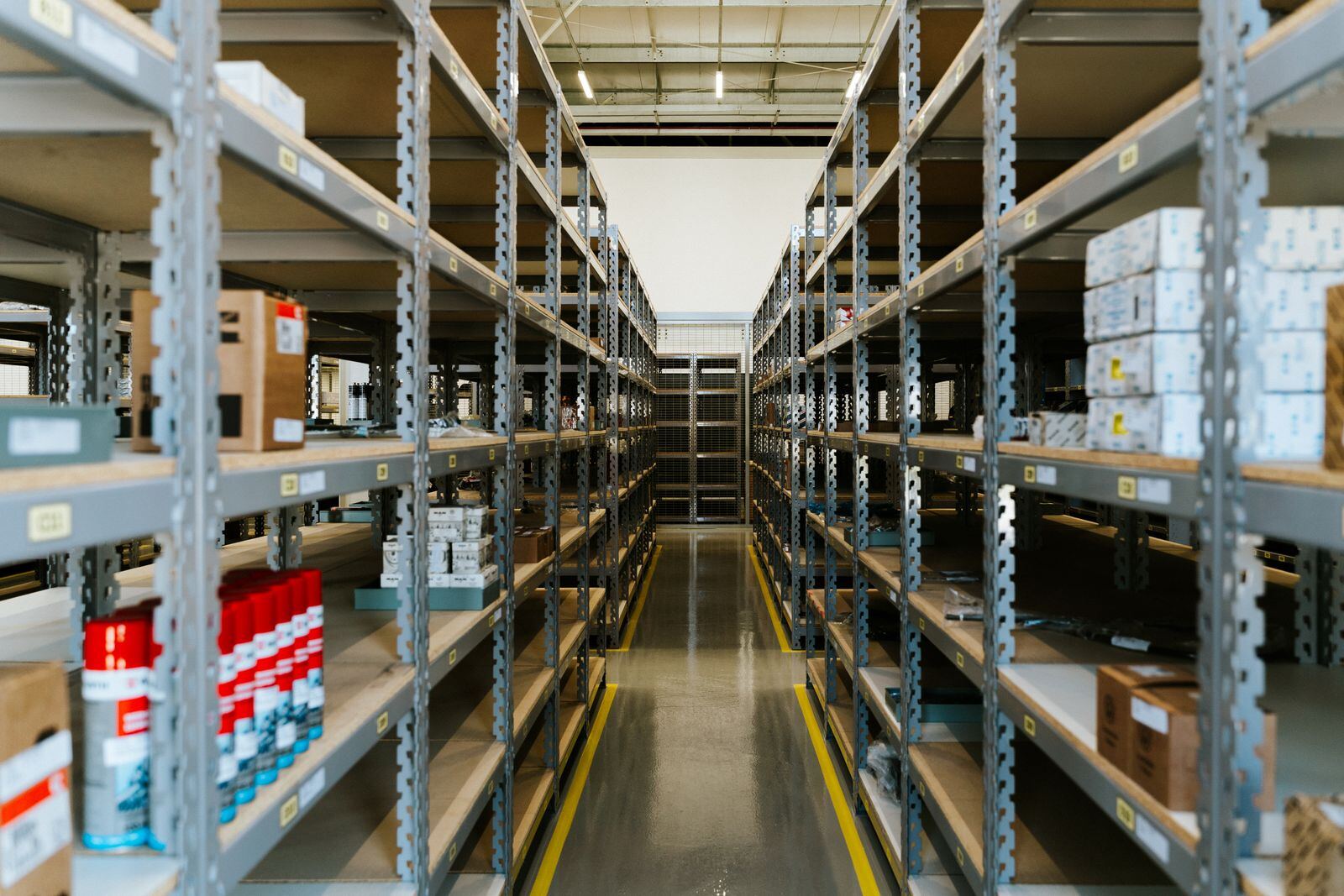
When a model changes over at the Washington plant, the suppliers on the estates around it are left holding stock for the old one. Trim clips, seat covers, mouldings, brackets and wiring looms bought against a schedule that stopped. Some of it goes back under the contract. The rest sits on racking that the next programme needs.
That stock is the usual starting point for a clearance sale here, but it is not the only one. Logistics firms on the Pattinson and Armstrong estates hold abandoned consignments and returns. The port side brings in offshore consumables, rope, fasteners and protective equipment that a contract did not use.
We lot it for trade buyers, sell it online over a week to ten days and clear it in a fixed collection window. Tell us what you have, roughly how much, and where it is.
Supplier stock when the line changes over
Automotive surplus has a particular problem. The parts were made to one customer's drawing, and the customer will not want them once the model has gone. So the sale is catalogued for the aftermarket, the reconditioners, the export traders and the general resellers rather than for other car plants, and the price reflects how narrow that market is.
This stock is usually better separated by what it is than by which programme it came from. Fasteners, clips, washers and generic fixings go to the hardware trade in bulk. Plastic mouldings and trim sell to the aftermarket and to exporters by the pallet. Foam and fabric from the seating firms sell to the upholstery trade. Packaging, stillages, pallets and dunnage sell to the firms next door.
Anything marked with the customer's part number or logo needs a check of the supply agreement before it is listed. We ask for that first.
Loading from the Washington estates
The estates at Washington and Hylton were laid out for articulated traffic, and the first visit checks what your own unit has: the dock, the yard, the turning space and the forklift. Buyers then back a curtainsider up to the dock and the lot numbers are checked off as it loads. We run collection over two or three days in slots, so the yard does not fill with vans and lorries at the same time.
Older units at Pallion and North Hylton are checked for shared yards, roller shutter doors and dock levellers. Where there is no dock, pallets come out by pallet truck and tail lift, the window takes longer, and heavy pallets are kept to a size a tail lift can take.
Washington, Gateshead, Durham and Peterlee are a short trip from the viewing day, with South Shields and Seaham along the coast road. The rest bid online from anywhere in the UK and collect by haulier, which can be arranged where it is agreed.
What these sales can include
- Discontinued product lines
- Overordered components and parts
- Customer returns and graded stock
- Seasonal goods
- Ex display and showroom items
- Packaging and consumables
- Raw materials and fabrics
- Bulk trade stock on pallets
- Tools and hardware
- Homeware and furniture stock
- Clothing and footwear
- Building products and fixings
Running the sale
A stock clearance runs as an online timed auction, open for a week to ten days in most cases. There is a viewing day at your premises, or at the location where the stock has been gathered. Bidders inspect the lots, then bid online until each lot closes.
After the sale, buyers collect within a window agreed with you, usually a few days. Collection is the point where a stock sale needs organising. Buyers arrive with vans and lorries, lots have to be handed to the right person and the paperwork has to match. Our staff manage the door and sign each lot out.
If you cannot host viewing and collection, the stock can be moved to our premises or a third party warehouse where that is agreed. That adds transport cost but keeps the process away from your trading site.
The stock clearance auctions page covers when an auction is the right route, lotting the stock, offered as seen and the buyer's position, alternatives to auction.
Questions about selling in Sunderland
- We have plastic mouldings that failed the customer's inspection. Will anyone buy them?
Usually yes, if the fault is cosmetic. Graded mouldings with a mark or a colour variation are catalogued for the aftermarket, for exporters and for firms that will trim or paint them, at a lower price than good stock, with what they make depending on the fault, quantity and application. We describe the grade honestly and photograph the fault, so buyers know what they are getting. Parts with a structural fault or a safety function are a different matter, and we would rather send those for recycling than list them.
- The old programme stock has to be gone before the new one starts. Can the sale fit a fixed date?
Yes. Give us the date the racking has to be clear and we work backwards. Cataloguing takes a few days once the stock is counted and located. The sale runs a week to ten days online, and collection follows in a window of two or three days. Three weeks from first call to an empty bay is realistic if the count is ready. If the date is tighter than that, we can collect the stock and sell it from our own premises instead.
More questions about stock clearance
Related services
Guides
- What insolvency practitioners need from an auctioneer
For office holders realising physical assets. Covers the instruction letter, the asset schedule and valuation basis, retention of title, finance checks, site security, health and safety during the sale, and the reconciliation you need for the file.
- What happens to unsold lots
Not every lot sells, but the site still has to be cleared. This guide covers why lots go unsold, private treaty after the sale, lowering or removing the reserve, a later sale, scrap and WEEE recycling, and what disposal costs.