 Britannia Auctions
Warehouse and logistics equipment sales in Aberdeen
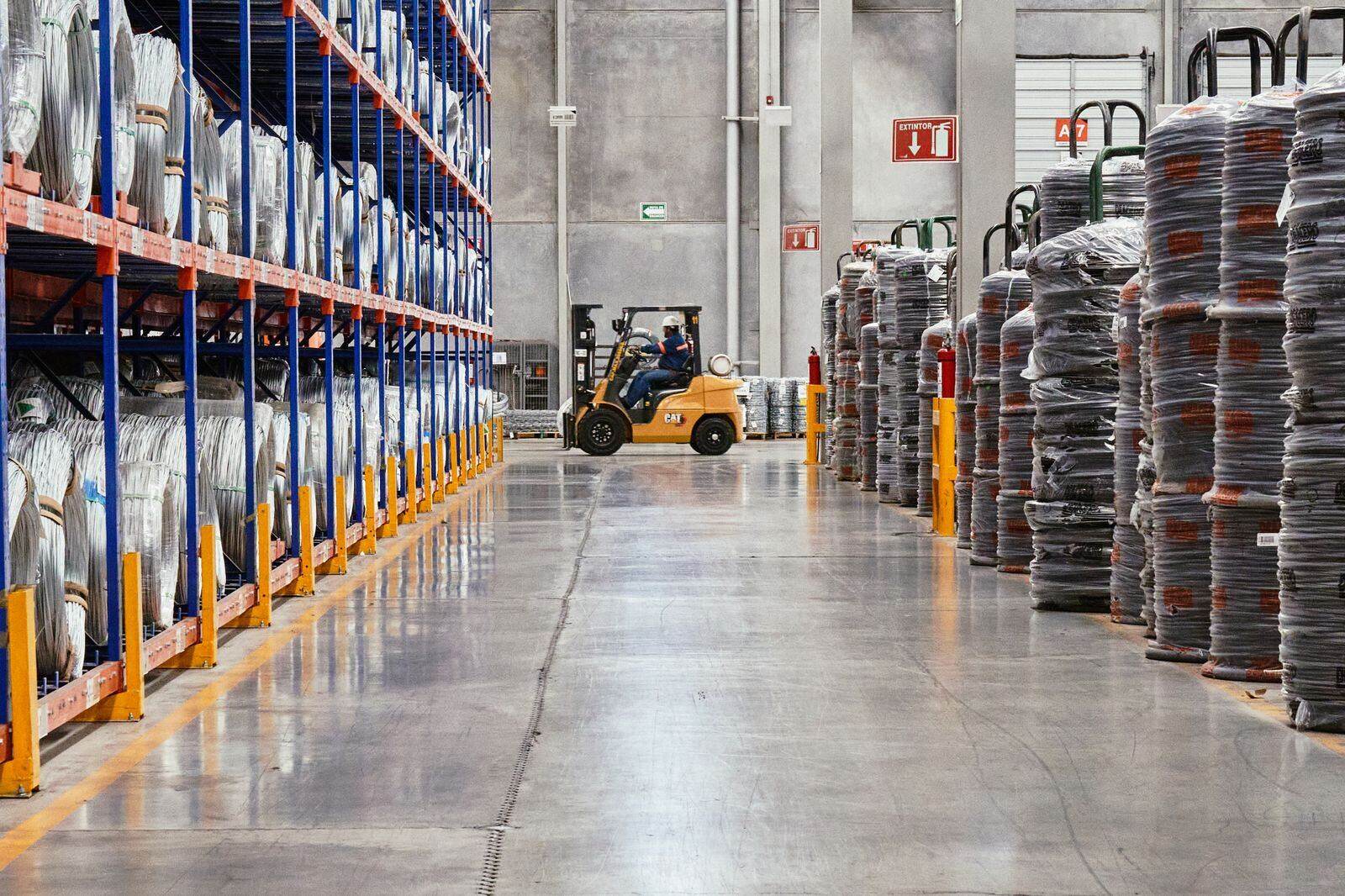
Offshore supply is a logistics business, and its warehouses are built for weight. A supply base at Altens or Tullos holds pallet racking rated far above the usual, counterbalance trucks of five tonnes and more, pallet scales for certifying lifts and yard space full of baskets. Equipment firms at Kirkhill in Dyce hold stores of the same kind. When a contract finishes or a service company pulls back, that equipment has to be sold from a city a long way from most buyers.
We sell it by online timed auction from the base, and we plan for the distance. Bidding runs online, so the dealer in the central belt and the operator in England see the sale as easily as a firm in Westhill. Collection is set to suit hauliers making the journey north, and the Aberdeen Western Peripheral Route keeps lorries clear of the centre. What size of vehicle can reach a particular base is checked on our first visit and written into the catalogue. Tell us through the contact form what the base holds and when it has to close.
Supply bases and the heavier end of the catalogue
Racking from an offshore supply base is often heavy duty, with beams rated for the loads that go out to platforms, and the forklifts match it. These are valuable lots, but the buyers for an eight tonne truck are fewer than for standard kit, so the catalogue has to travel. We describe the load ratings exactly, photograph the load notices and the truck data plates, and market the sale to the offshore, port and heavy engineering trades across the UK rather than to warehouse operators alone.
Weighing equipment is a particular case. Pallet scales and floor scales used for offshore manifests have calibration records, and bidders want to know whether the certificate is current, so we list the dates. Alongside the heavy kit sits the ordinary store: hand pallet trucks, longspan shelving for spares, stretch wrappers and roll cages, which suits any business between Inverurie and Stonehaven.
Selling a long way from the buyers
Aberdeen is a long haul from most of the UK, and that shapes how a sale here is run. We give the bidding a longer window than usual so dealers can plan a trip or arrange transport, and we group lots so that a haulier who comes for one truck can fill the lorry with racking and smaller items on the same visit. The catalogue carries more photographs than a sale in a city with the trade on the doorstep, because it has to answer the questions a viewing day would.
Local trade still matters. Service companies in Dyce and Bridge of Don, fabricators at Altens, equipment hire yards at Westhill and food firms near the harbour use the same racking and trucks, and so do the renewables firms taking space in those yards. All of them are near enough to attend the viewing day. We would propose a collection window spread across a week rather than two days, so a haulier on a long run is not turned away.
What these sales can include
- Counterbalance forklifts
- Reach trucks
- Powered pallet trucks
- Hand pallet trucks
- Pallet racking
- Mezzanine floors
- Longspan and cantilever shelving
- Conveyors and sortation
- Roll cages and stillages
- Stretch wrap machines
- Pallet scales
- Battery chargers
- Order pickers and stackers
- Dock levellers and loading equipment
How the sale runs
After a site visit we agree what is in the sale and what stays. We catalogue and photograph each lot, list the sale online and market it to warehouse operators, dealers and contractors. Bidders view on a set day, then bid online over the sale period, with lots closing in sequence.
Lots are offered as seen under the auction terms, with buyers expected to inspect before bidding. The buyer pays the hammer price plus a buyer's premium, with VAT charged where it applies and shown separately. We collect payment before release.
Collection runs over a window agreed with you. Buyers arrange and pay for the removal of their lots, with suitable handling equipment or specialist contractors where the item needs them. Our staff attend to release lots against paid invoices and see that dismantling is done safely.
The warehouse and logistics equipment sales page covers racking and how it comes down, forklifts and the records that matter, the small equipment adds up, timing a sale around a site handover.
Questions about selling in Aberdeen
- Our yard at Altens has forklifts rated for eight tonnes and racking for drill pipe. Who buys that?
Trucks of that capacity are used by port operators, fabricators, heavy plant dealers and other supply bases, and some are bought for export. The pipe racking is cantilever or A frame, and the trades that use it are steel stockholders, fabricators, pipe yards and other offshore firms. Those trades are spread thinly, so we market these lots by trade rather than by region and allow time in the collection window for a haulier's journey north. If a truck is on finance, the lender must consent before it can be sold.
- A downturn has left us with a store at Dyce we no longer need. How quickly can it be sold?
Three to five weeks from the first call is a fair assumption, though it depends on the lot count, the access and when the store can be emptied. We visit within days, catalogue in the first week, run bidding for a week or two with a viewing day, then agree a collection window. Racking has to come down, and who does that and in what order is agreed for the site. Buyers arrange and pay for removal. If the store must go back sooner, the trucks and loose equipment can be collected to our premises.
More questions about warehouse equipment