 Britannia Auctions
Warehouse and logistics equipment sales in Leicester
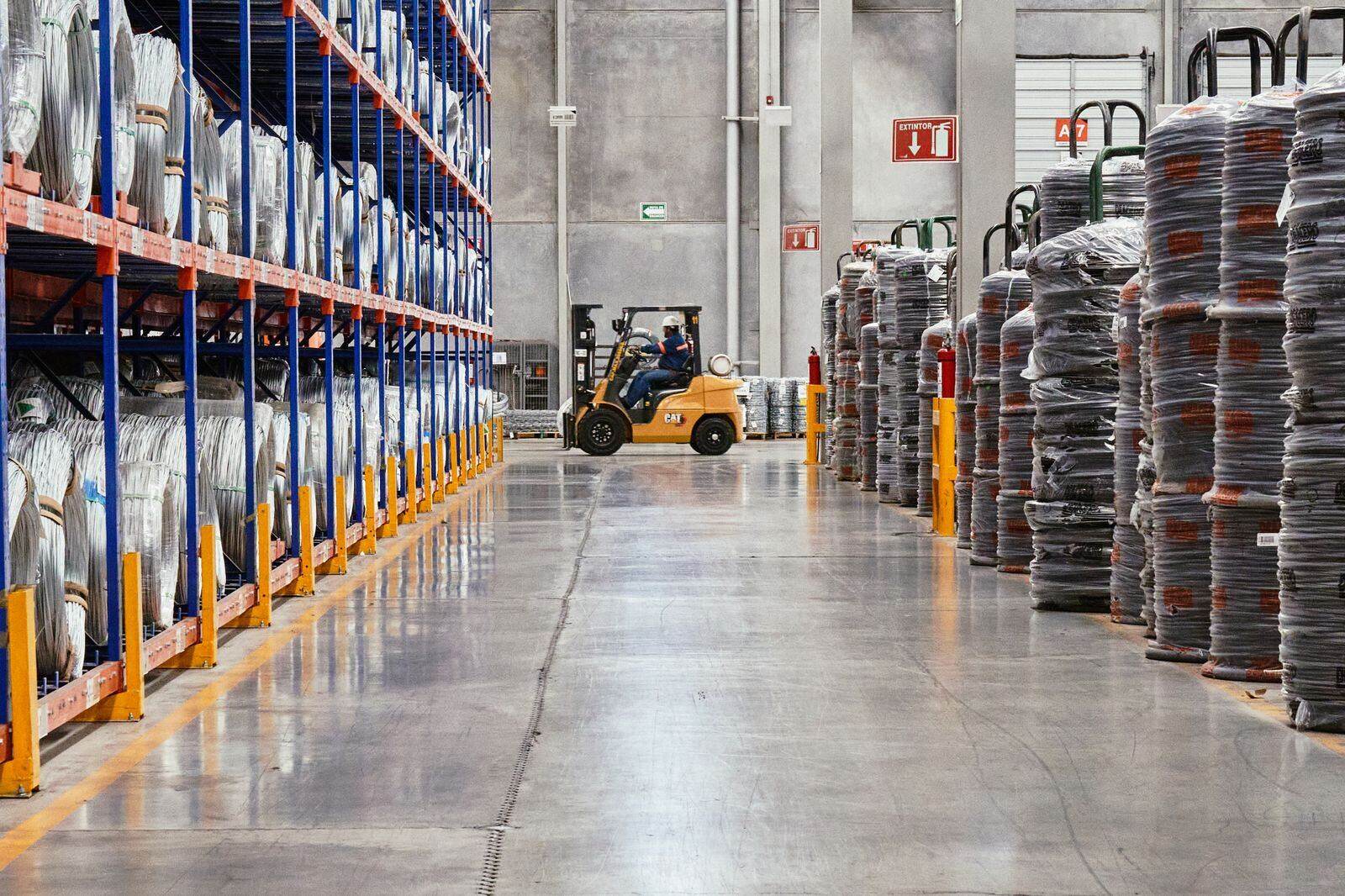
Leicester's warehousing splits into two kinds of building, and the sale that suits one rarely suits the other. Along the M1 and M69 there are large sheds around Enderby, Glenfield and Lutterworth, run by distribution firms on contracts that come and go. When a contract ends, the racking, reach trucks, conveyors and dock levellers it needed have to be out before the next occupier moves in. In the city itself, textile and printing firms keep smaller stores with a few bays of racking and a counterbalance truck in the yard.
We sell both by online timed auction. A big shed is catalogued and sold on site, with a viewing day and collection days after. A small stock room is often better cleared to our own premises and sold with other consignments. Tell us which you have through the contact form and we will say which route we would take.
Contract ends on the M69 corridor
Third party logistics is contract work, and the sheds near junction 21 change hands when a retailer or manufacturer moves its account. That leaves the operator with a fit out that was paid for against a contract that no longer exists. Racking, dock levellers, charging bays and a fleet of reach trucks are all sale material, and the next tenant of a similar shed nearby fits out with the same equipment.
We run the sale against the handover date. Racking is the slow part, so we lot it by run and agree a dismantling and collection window that ends a few days before the keys go back, with the buyer arranging and paying for the removal. Trucks and chargers go out in the first collection days. Where the dock takes an articulated lorry, which we check on the visit, the buyer's collection costs are lower, and that is one of the things they price in.
Small stores off the older textile streets
Clothing and knitwear firms in the east and west of the city rarely have a warehouse as such. They have a stock room, a mezzanine over the cutting floor, a hand pallet truck and perhaps a stretch wrap machine by the loading door. When the business closes, that equipment still has a value, but the streets are tight and there is no yard to run a collection day from.
For those, collection to our premises is usually the better route. Where it is agreed, the racking, the mezzanine sections, the pallet trucks and the small equipment are taken away in one visit and sold from there alongside other lots. You get a clear building sooner and bidders get a single collection point with proper access. The trade in Hinckley, Loughborough, Market Harborough and Coalville is able to get to a viewing day without a long trip, and the rest bid online from across the UK.
What these sales can include
- Counterbalance forklifts
- Reach trucks
- Powered pallet trucks
- Hand pallet trucks
- Pallet racking
- Mezzanine floors
- Longspan and cantilever shelving
- Conveyors and sortation
- Roll cages and stillages
- Stretch wrap machines
- Pallet scales
- Battery chargers
- Order pickers and stackers
- Dock levellers and loading equipment
How the sale runs
After a site visit we agree what is in the sale and what stays. We catalogue and photograph each lot, list the sale online and market it to warehouse operators, dealers and contractors. Bidders view on a set day, then bid online over the sale period, with lots closing in sequence.
Lots are offered as seen under the auction terms, with buyers expected to inspect before bidding. The buyer pays the hammer price plus a buyer's premium, with VAT charged where it applies and shown separately. We collect payment before release.
Collection runs over a window agreed with you. Buyers arrange and pay for the removal of their lots, with suitable handling equipment or specialist contractors where the item needs them. Our staff attend to release lots against paid invoices and see that dismantling is done safely.
The warehouse and logistics equipment sales page covers racking and how it comes down, forklifts and the records that matter, the small equipment adds up, timing a sale around a site handover.
Questions about selling in Leicester
- We are a 3PL near junction 21 and our contract ends in six weeks. Is that enough time?
Usually, yes, though it depends on the lot count and the access. Six weeks allows a site visit, a fortnight of bidding, a viewing day and a collection window of a week or so before the building has to be empty. Racking is the tight part, because the buyer arranges and pays for the dismantling on agreed days. We would list it early and fix its dates first. If the customer's stock is still in the shed, we catalogue around it and sell the racking on the basis that it comes down once the last pallet has left.
- Our stock room is on a narrow street in the city. Can buyers collect from there?
They can, but it is often not the best plan. A collection day on a street with no yard means vans queuing and racking carried out to the kerb. Where it is agreed, we would rather collect everything to our premises in one visit and sell it from there. Bidders then view and collect from a site with a forklift and hard standing, which removes the awkwardness they would otherwise price in, and you get the building back sooner.
More questions about warehouse equipment