 Britannia Auctions
Warehouse and logistics equipment sales in Nottingham
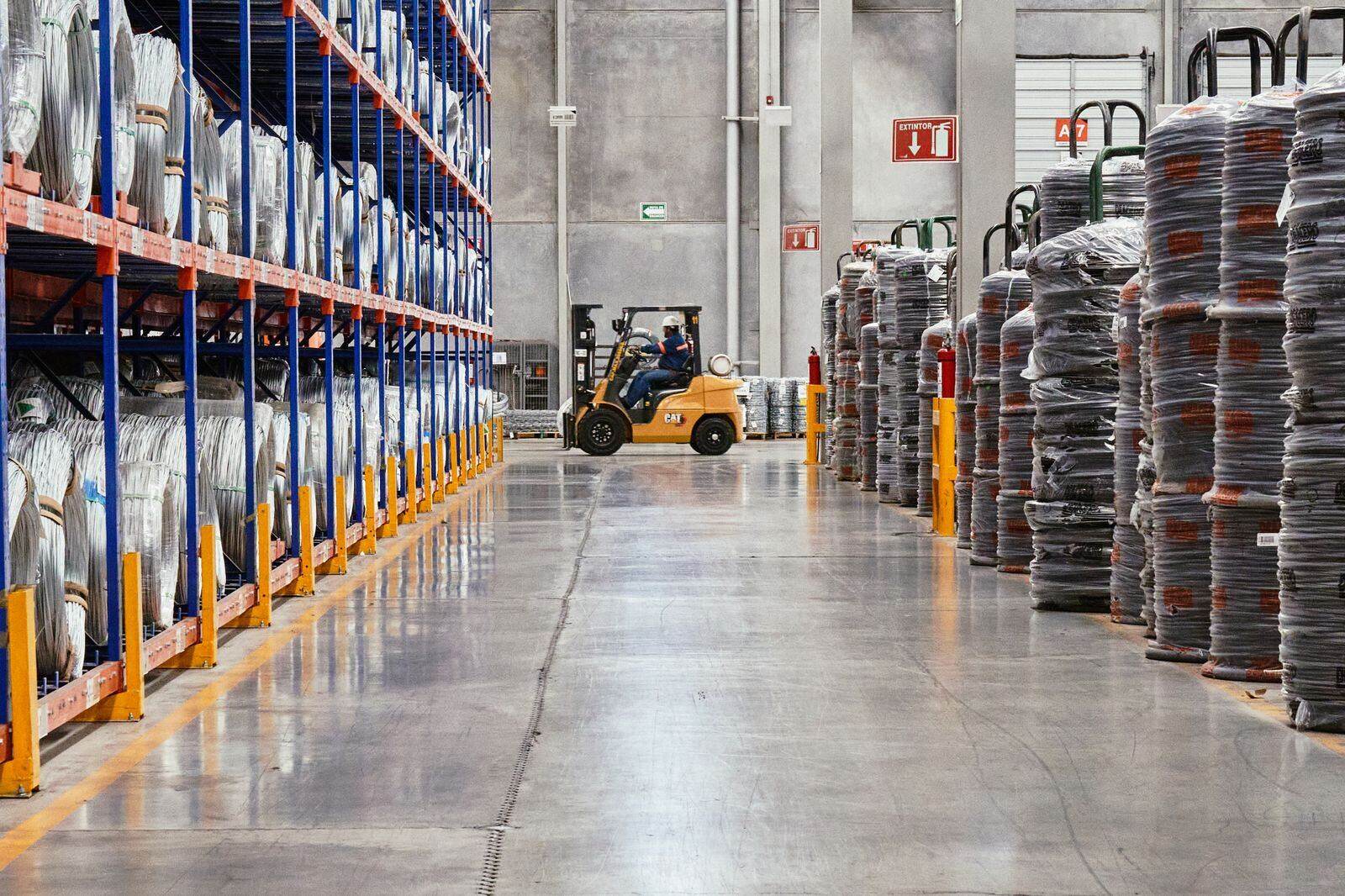
Nottingham's warehousing sits in a ring. Blenheim Industrial Estate at Bulwell is close to junction 26 of the M1 and holds distribution firms and wholesalers. Colwick by the Trent has older sheds used by wholesale and food businesses, and Lenton Lane on the ring road has a mix of everything. Fairham Business Park at Clifton is newer and its units are still being fitted out. Equipment moves between these estates constantly, because the next tenant of a unit fits out with much the same racking and trucks as the last one.
We sell warehouse and logistics equipment by online timed auction, with cataloguing on site or collection to our own premises. The ring road and the M1 junctions put the trade in Derby and Mansfield close enough to come and look, and the access at a particular unit is checked before it is listed. Use the contact form to tell us what you are clearing and by when.
Wholesalers, cold rooms and food grade racking
Wholesale and food businesses around Colwick and Lenton Lane run storage that is a little different from a general warehouse. Some racking is in chilled rooms, some is galvanised or plastic coated for wash down, and there are pallet scales, stretch wrappers, pallet trucks and roll cages by the dozen. When a wholesaler closes, the cold room panels and the chiller plant can go into the same auction as the racking and trucks.
We catalogue it by area. Ambient racking by run, chilled racking by room, with the cold room itself and its condensing unit as separate lots for a refrigeration contractor to remove. Trucks are listed with hours and examination reports, and electric trucks with their chargers. Wholesalers in Long Eaton and Ilkeston use this kind of kit when they expand, and food distributors bid online from further afield. Offering a cold room with the racking still inside is usually the route we would suggest, and we say what interest we would expect before you commit.
Fitting the sale to junction 26
Logistics sheds around Bulwell and the M1 are contract buildings, and a contract loss puts a fit out on the market against a landlord's deadline. Reach trucks, powered pallet trucks, battery chargers, dock levellers and long runs of pallet racking are the main lots, and the operators who win the next contract fit out with the same equipment.
We plan the sale backwards from the handover date. Trucks and loose equipment would collect first and the racking last, on days agreed with you, with the buyer arranging and paying for the dismantling. Whether an articulated lorry can load from the dock is checked at the visit and stated in the catalogue. The East Midlands trade is within reach of a viewing day and the rest of the UK bids online. If the shed still holds a customer's stock when you call, that is fine. We catalogue around it and set the rack collection days for after the stock has gone.
What these sales can include
- Counterbalance forklifts
- Reach trucks
- Powered pallet trucks
- Hand pallet trucks
- Pallet racking
- Mezzanine floors
- Longspan and cantilever shelving
- Conveyors and sortation
- Roll cages and stillages
- Stretch wrap machines
- Pallet scales
- Battery chargers
- Order pickers and stackers
- Dock levellers and loading equipment
How the sale runs
After a site visit we agree what is in the sale and what stays. We catalogue and photograph each lot, list the sale online and market it to warehouse operators, dealers and contractors. Bidders view on a set day, then bid online over the sale period, with lots closing in sequence.
Lots are offered as seen under the auction terms, with buyers expected to inspect before bidding. The buyer pays the hammer price plus a buyer's premium, with VAT charged where it applies and shown separately. We collect payment before release.
Collection runs over a window agreed with you. Buyers arrange and pay for the removal of their lots, with suitable handling equipment or specialist contractors where the item needs them. Our staff attend to release lots against paid invoices and see that dismantling is done safely.
The warehouse and logistics equipment sales page covers racking and how it comes down, forklifts and the records that matter, the small equipment adds up, timing a sale around a site handover.
Questions about selling in Nottingham
- Our pharmaceutical warehouse in Beeston has racking in a temperature controlled area. Is it harder to sell?
Not really. The racking is standard pallet racking and it sells on the same details as any other, frame heights, beam lengths, bay counts and load ratings. What does need care is the sequence. The controlled area has to be decommissioned and any product removed before buyers view it, and the monitoring and chiller equipment is sold as separate lots for specialist removal. We also note in the catalogue that the racking has been used in a clean environment, which is part of its history and worth stating.
- We are moving from Lenton Lane to a new unit at Fairham. Should we sell the old racking or move it?
It depends on the racking and the new building. Moving racking costs a dismantle and a rebuild by a competent installer, plus transport, and older frames may not suit the new floor or eaves height. Often it is cheaper to sell what you have where it stands and buy the right height of racking for the new unit. We can look at both buildings and give you an honest view. Trucks and pallet handling kit usually move with you, unless they are due replacement.
More questions about warehouse equipment