 Britannia Auctions
Business relocation and downsizing sales in Hull
Most of what we sell around the Humber has a caravan somewhere behind it. The joinery firms that make the furniture, the upholsterers that make the seating, the chassis shops that make the frames and the trim suppliers behind them all grow into bigger units as the holiday home builders take more, and each move leaves a panel saw, an edgebander and a few bays of racking that the new unit does not need.
We sell those leftovers by online timed auction. The catalogue is built in the old unit while the last orders go out, and the buyers collect after you have moved. What vehicle can reach a machine is checked in the yard rather than guessed from the address, and the catalogue carries the answer for every heavy lot.
Hauliers and forwarders on Hedon Road come with racking and forklifts instead, and the same sale suits them.
Joinery and upholstery lines from the caravan trade
Woodworking machinery is used in several trades and moves on a standard trailer. Panel saws, edgebanders, wide belt sanders, CNC routers and dust extraction from a caravan furniture shop suit joiners, shopfitters, kitchen makers and boat builders, and the auction is online and not limited to the area, with the trade in Beverley, Driffield, Goole and Barton-upon-Humber close enough for the viewing day. Upholstery lines are lighter lots, with industrial sewing machines, foam cutters, cushion fillers and staple guns suiting smaller firms and people setting one up.
Chassis and trim shops leave welding plant, press brakes, powder coating lines and jigs. The jigs are model specific, and our estimate on them is usually low. The rest is catalogued on its own merits.
We photograph the machines running and list the model, the bed size and the software where a machine has one. A router is catalogued with its tooling and its programs where you have them, so keep them together.
Selling in the quiet months before the season
Caravan production follows the holiday calendar, and so do the moves. Firms move over the winter so that the new unit is running when orders pick up in the spring. That puts the sale in the months when the trade has time to view, which helps the viewing day.
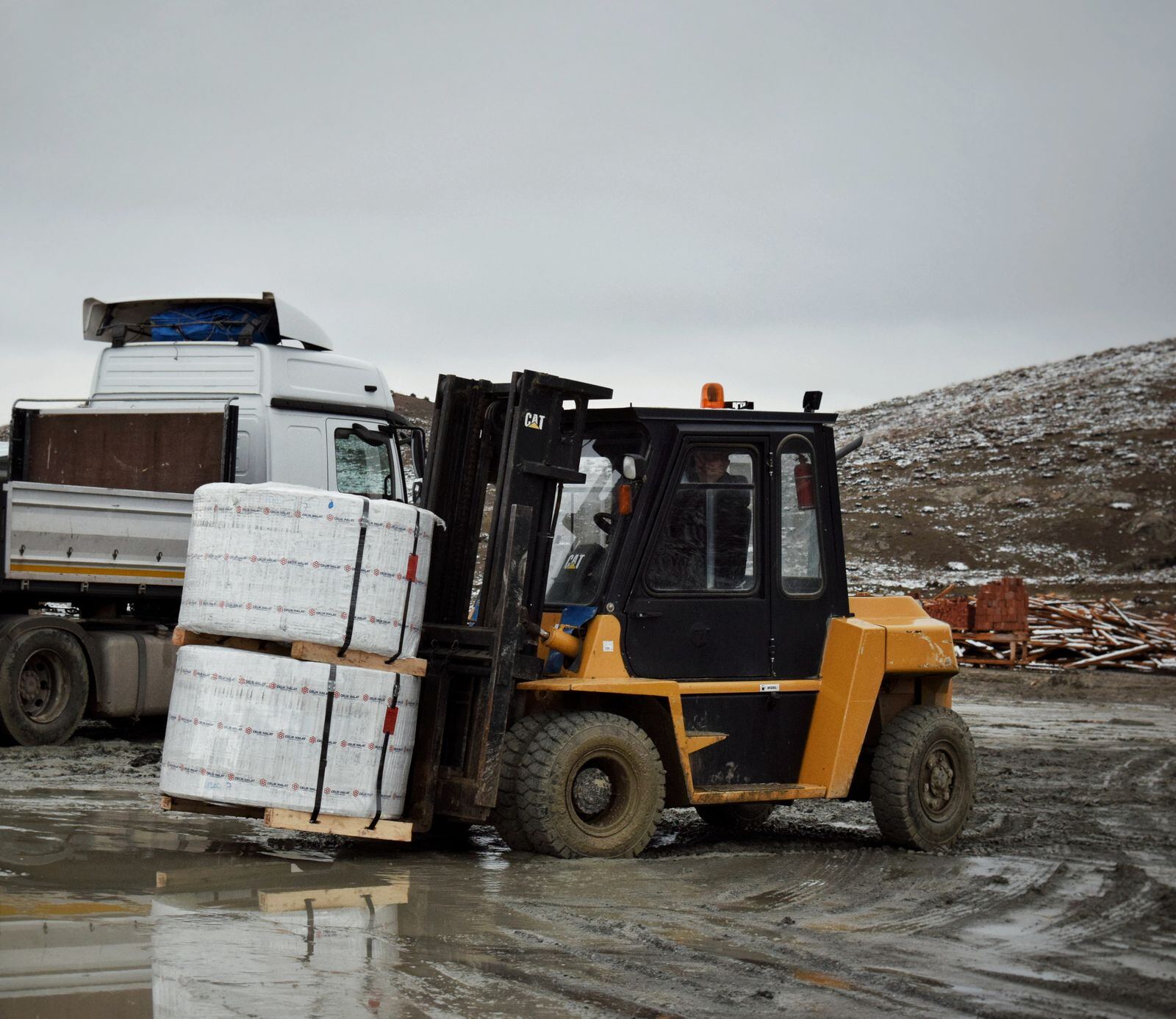
For the port side of the city the timing is the lease, not the season. A freight forwarder giving up a shed near King George Dock has racking, forklifts, pallet wrappers and a mezzanine to clear, and often only a few weeks to do it. Racking sells in runs, dismantled by the buyer, and the mezzanine goes as a single lot with a fixed removal date.
Either way we work the timetable back from the day the keys go back, with the auction closing before it, viewing on one day and collection after, and the room for each stage set by the lot count and the access.
What these sales can include
- CNC machine tools
- Presses and press brakes
- Racking and mezzanine floors
- Forklift trucks
- Air compressors
- Workshop tooling and hand tools
- Office furniture and desks
- IT equipment and servers
- Packing and labelling machines
- Welding equipment
- Extraction and dust collection systems
- Vans and light commercial vehicles
How the sale runs
We visit the site, list the lots and photograph them in place. You tell us which items are moving and which are for sale, and we tag the sale lots so there is no confusion on the shop floor.
The catalogue goes online as a timed auction. Bidding stays open for a set period, usually one to two weeks, and each lot closes at a fixed time with an extension if a bid arrives in the last minutes. We hold a viewing day at your premises, and lots are offered as seen under the auction terms, with buyers expected to inspect first.
After the sale we invoice the buyers and take payment. You are paid once the sale is reconciled and the collection window has closed, from cleared funds, less the agreed commission and any agreed costs. Buyers arrange and pay for removal, and our staff attend to release lots against paid invoices.
The business relocation and downsizing sales page covers when a relocation sale makes sense, timing the sale around the move, what to prepare, valuation and reserves, unsold lots and leftovers.
Questions about selling in Hull
- Our new unit is across the Humber Bridge. Is it cheaper to move the machines or sell them?
For the light lots it is cheaper to move them. For a panel saw or a large router the sums are closer than people expect, once the disconnection, the low loader, the crane at each end and the recommissioning are added up. The answer turns on those figures rather than on the age of the machine alone. We say what interest we would expect before you commit, so you can decide with the numbers in front of you.
- We have a mezzanine floor and racking through the whole shed. Who takes it down?
The buyer does, within the collection window, using their own fitters. We sell racking in bays or runs and the mezzanine as one lot, with the dimensions, the load rating and any drawings you have in the catalogue. Racking dealers and firms fitting out a shed of their own are the usual bidders for both, and dismantling is part of what they take on. You provide access and power. We attend the collection days and release each lot against a paid invoice, so the shed is handed back clear.
More questions about relocation sales
Related services
Guides
- Closing a business: a timeline for selling the assets
Work backwards from the day you hand the site over. This guide covers lease end and dilapidations, when to instruct, when staff should leave, when to keep the power on, and how to leave enough room for collection and making good.
- Selling a commercial vehicle fleet
Fleet sales turn on paperwork as much as on price. This guide covers the V5C, MOT and plating documents, clearing finance before listing, keys and livery, recording mileage and tachograph data, and how to defleet in batches while still trading.