 Britannia Auctions
Business relocation and downsizing sales in Plymouth
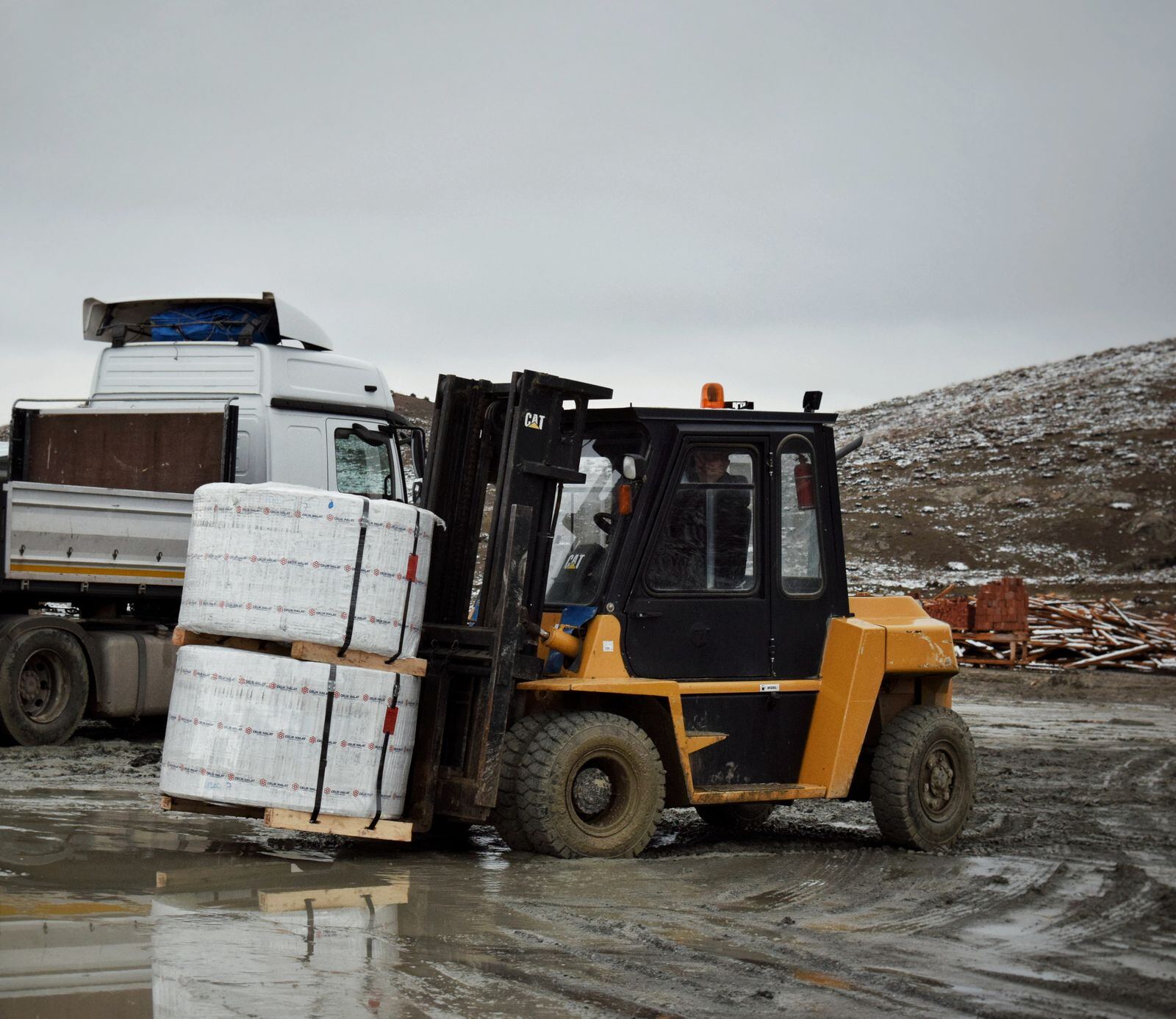
Some Plymouth workshops are where they are because a boat could be launched from the door, and that is also why moving out of them is awkward. Marine engineers and boatbuilders along the Tamar and the waterfront who take a modern unit at Langage or Estover find the old site has one narrow road in, and machinery that was craned in decades ago. Fish processors at Sutton Harbour face the same with stainless kit and ice machines.
We sell what is not moving by online timed auction. The first thing we do is walk the site and work out how the heavy lots come out, because that decides whether the sale runs from the workshop or from our own premises after we collect it. The catalogue goes online and bidding runs for a week or two. Buyers collect in a window that closes before the lease does.
Waterfront workshops with tight access
Older sites near the water need a site check before anyone promises a low loader. Where the road will take it, machines are offered in place and the buyer arranges the lift inside the collection window. Where it will not, we specify a smaller vehicle in the catalogue or collect the lots ourselves on one that fits and sell from our own premises. Either way the buyer knows before bidding what the removal involves, which is what keeps the collection days orderly.
The equipment itself is familiar. Lathes, milling machines, welding plant, engine test beds, boat cradles, hydraulic presses, the workshop crane and the yard forklift. Boatbuilders add moulds, laminating kit, cutting tables and spray booths. Fish processors bring stainless tables, chillers, ice machines and packing lines.
Marine kit of this sort is used by yards around the Tamar and along the coast, and machine tools are catalogued for a national audience bidding online.
Precision and medical firms on the newer estates
The newer estates are the other half of the city's industry, and the sales there are more like a machine tool auction than a boatyard clearance. Medical device and precision manufacturers at Estover, Langage, Roborough and Southway downsize clean rooms, CNC machines, inspection kit and assembly benches, and those lots are catalogued for bidders who will not travel to Devon. We list the control, the hours, the calibration status and the serial with each lot and photograph it under power.
We check the yard and the loading at each unit, and the A38 gives a clear run to the M5, so the collection window is set once the heavy lots are known.
Saltash, Tavistock, Ivybridge and Liskeard are able to get to a viewing day without a long trip, as is Cornwall over the Tamar Bridge, where machine shops and boatyards use the same equipment. Where a shop has two of everything, the usual course is to sell the older duplicate and move the newest of each type.
What these sales can include
- CNC machine tools
- Presses and press brakes
- Racking and mezzanine floors
- Forklift trucks
- Air compressors
- Workshop tooling and hand tools
- Office furniture and desks
- IT equipment and servers
- Packing and labelling machines
- Welding equipment
- Extraction and dust collection systems
- Vans and light commercial vehicles
How the sale runs
We visit the site, list the lots and photograph them in place. You tell us which items are moving and which are for sale, and we tag the sale lots so there is no confusion on the shop floor.
The catalogue goes online as a timed auction. Bidding stays open for a set period, usually one to two weeks, and each lot closes at a fixed time with an extension if a bid arrives in the last minutes. We hold a viewing day at your premises, and lots are offered as seen under the auction terms, with buyers expected to inspect first.
After the sale we invoice the buyers and take payment. You are paid once the sale is reconciled and the collection window has closed, from cleared funds, less the agreed commission and any agreed costs. Buyers arrange and pay for removal, and our staff attend to release lots against paid invoices.
The business relocation and downsizing sales page covers when a relocation sale makes sense, timing the sale around the move, what to prepare, valuation and reserves, unsold lots and leftovers.
Questions about selling in Plymouth
- Our workshop is reached by a lane that a car transporter cannot use. Can you still sell in place?
Usually, with a plan. We visit before anything is listed and work out the largest vehicle that will reach the door. If a rigid lorry or a hiab will do, we say so in the catalogue and buyers price their collection accordingly. If the heavy lots cannot come out on anything practical, we offer them in place with a longer removal window so the buyer's specialist mover can plan the lift. The light lots we can collect ourselves and sell from our own premises.
- A lot of what we have is boatbuilding jigs and moulds. Is there a market?
There is, but it is thin, and it is mostly the yard that builds that boat or the one that wants to. Jigs and moulds for a current design can suit a private treaty approach to a yard that builds it. For a discontinued design our estimate is usually the value of the materials, and we say which we think applies. Laminating kit, cutting tables, vacuum pumps and spray equipment are used more widely, so the moulds are rarely the whole sale.
More questions about relocation sales
Related services
Guides
- Closing a business: a timeline for selling the assets
Work backwards from the day you hand the site over. This guide covers lease end and dilapidations, when to instruct, when staff should leave, when to keep the power on, and how to leave enough room for collection and making good.
- Selling a commercial vehicle fleet
Fleet sales turn on paperwork as much as on price. This guide covers the V5C, MOT and plating documents, clearing finance before listing, keys and livery, recording mileage and tachograph data, and how to defleet in batches while still trading.