 Britannia Auctions
Business relocation and downsizing sales in Sunderland
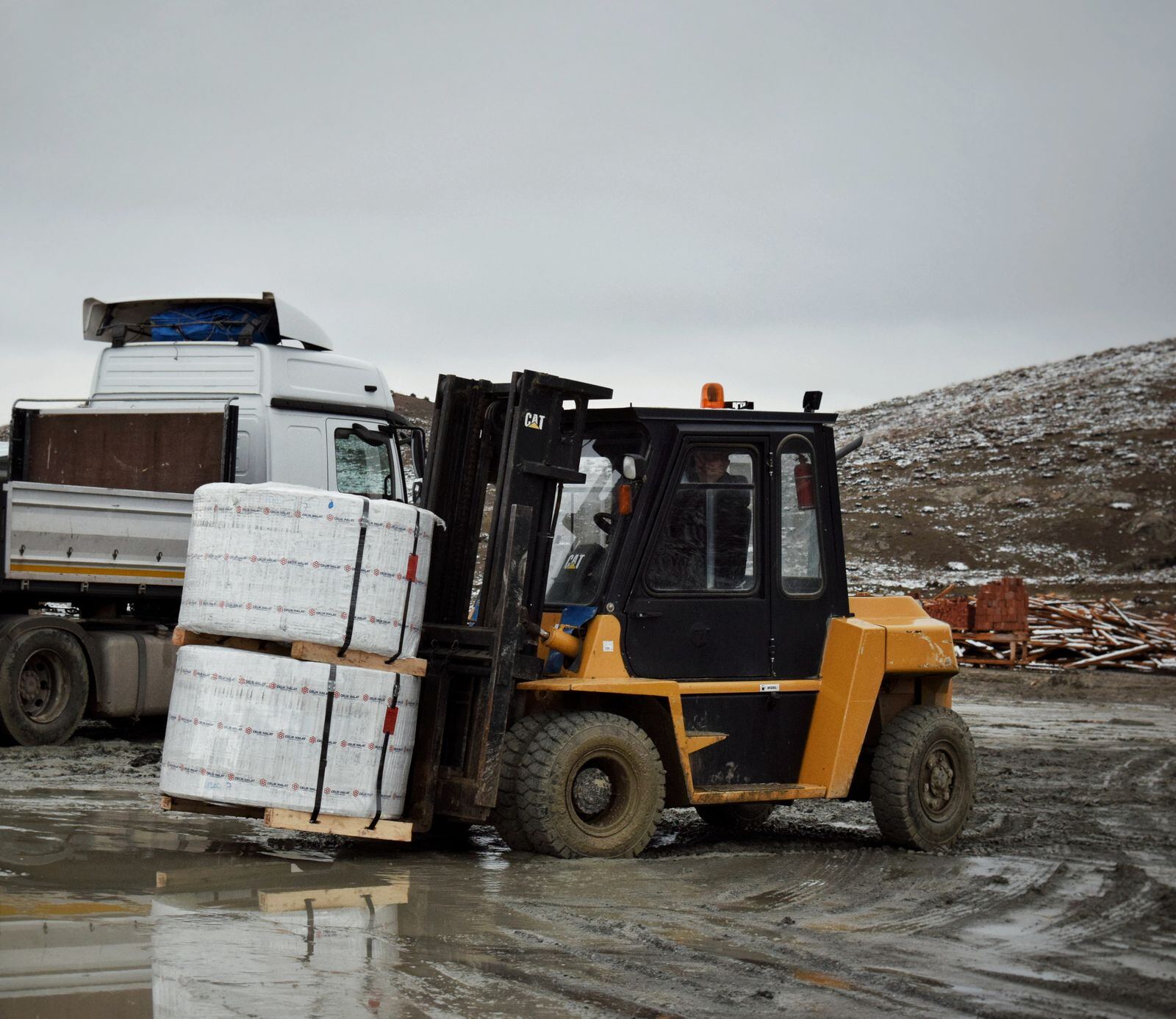
Supplier contracts around the car plant at Washington run for the life of a model. When the model changes, a pressings or trim supplier either retools for the next one or moves to a smaller unit with a shorter list of kit. Either way there is a bay of presses, jigs and assembly cells that the new contract does not need.
We sell that bay by online timed auction, catalogued where it stands, while the last parts ship. We check the road, the yard and the loading at the Washington and Hylton estates before the collection plan is written, and the catalogue says what each heavy lot needs.
A move to the International Advanced Manufacturing Park has the same shape with a different reason. The new floor is planned around the new line, and the old plant is sold rather than carried across the A19.
Press shop plant when the model changes
A press line built for one model is usually catalogued as separate lots rather than as a line. Presses of that kind are used across the UK and abroad, and a mechanical or hydraulic press with a known tonnage, bed size and service record is a lot a bidder can price. The dies, the transfer tooling and the checking fixtures are usually specific to the part, so our estimate on them is often the value of the steel, and we say so when we first visit rather than leave you to find out on sale day.
Injection moulding machines from the plastics and trim suppliers sell in a similar way. Robots and welding cells from the automation contractors suit integrators and smaller firms looking for a used cell, and they are lotted so that each part can be bid on separately.
We photograph everything under power where we can. A press filmed cycling answers questions a distant bidder would otherwise have to ask.
Buyers who already know the estates
Equipment of this kind is used close by. Toolmakers and pressworkers in Washington, Gateshead, Peterlee and South Shields, maintenance firms in Houghton-le-Spring and Seaham and engineering shops in Durham and Chester-le-Street are all well placed for the viewing day, and buyers arrange their own transport for what they win. The auction is online and not limited to the area, and the compressors, forklifts, welding sets and workshop tooling suit the offshore and port firms at the river end of the city.
Collection is planned around your production. If the line is still running for the last fortnight, we tag the sale lots, keep the collection days after the final shift and bring the riggers in when the floor is clear. What each yard at Pattinson and Armstrong will take is checked before the collection slots are set.
The A19 and the A1(M) at Washington mean a buyer from the Midlands can be here and away in a day.
What these sales can include
- CNC machine tools
- Presses and press brakes
- Racking and mezzanine floors
- Forklift trucks
- Air compressors
- Workshop tooling and hand tools
- Office furniture and desks
- IT equipment and servers
- Packing and labelling machines
- Welding equipment
- Extraction and dust collection systems
- Vans and light commercial vehicles
How the sale runs
We visit the site, list the lots and photograph them in place. You tell us which items are moving and which are for sale, and we tag the sale lots so there is no confusion on the shop floor.
The catalogue goes online as a timed auction. Bidding stays open for a set period, usually one to two weeks, and each lot closes at a fixed time with an extension if a bid arrives in the last minutes. We hold a viewing day at your premises, and lots are offered as seen under the auction terms, with buyers expected to inspect first.
After the sale we invoice the buyers and take payment. You are paid once the sale is reconciled and the collection window has closed, from cleared funds, less the agreed commission and any agreed costs. Buyers arrange and pay for removal, and our staff attend to release lots against paid invoices.
The business relocation and downsizing sales page covers when a relocation sale makes sense, timing the sale around the move, what to prepare, valuation and reserves, unsold lots and leftovers.
Questions about selling in Sunderland
- Our presses are tied to a contract that ends in the spring. When should the sale run?
Close the auction before the last parts ship and set collection for after it, with the gap depending on the size of the catalogue and the removal each press needs. That way the catalogue is built while the line is still running, and machines that can be run safely stay connected for the viewing day so your staff can demonstrate them where that is agreed. Everything else is isolated and left safe, and all lots are isolated by a competent person before collection. If the contract end date moves, the auction close moves with it.
- We are moving to the advanced manufacturing park and the new floor is smaller. Can you sell what does not fit?
Yes, and the sooner the floor plan is fixed the better. Tag the machines that have a place on the new layout and we catalogue the rest. Racking, mezzanine floors, compressors and the older machine tools are the usual leftovers, and equipment of that kind is used by smaller engineering firms across the region. Selling early also removes the temptation to move something and then sell it from the new site, which costs you the transport twice.
More questions about relocation sales
Related services
Guides
- Closing a business: a timeline for selling the assets
Work backwards from the day you hand the site over. This guide covers lease end and dilapidations, when to instruct, when staff should leave, when to keep the power on, and how to leave enough room for collection and making good.
- Selling a commercial vehicle fleet
Fleet sales turn on paperwork as much as on price. This guide covers the V5C, MOT and plating documents, clearing finance before listing, keys and livery, recording mileage and tachograph data, and how to defleet in batches while still trading.