 Britannia Auctions
Business relocation and downsizing sales in Warrington
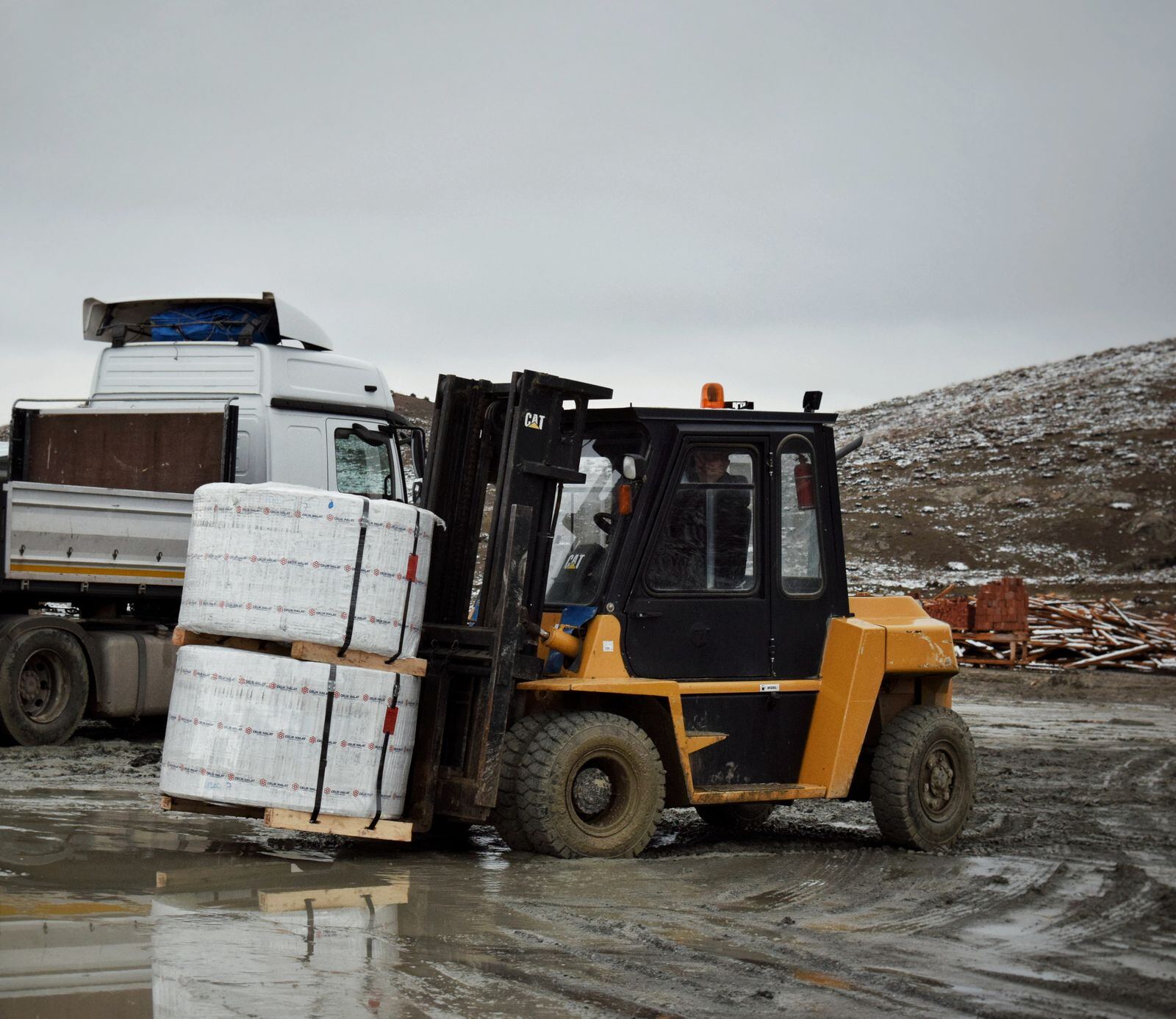
Two sheds into one is the Warrington version of downsizing. Distribution firms take space at Omega or around Gemini and Winwick Quay because the M6 and M62 meet here, and when a contract moves they give one shed back and keep the other. What stays behind is racking cut to the old bay spacing, dock equipment, a mezzanine and the older half of the forklift fleet. Engineering and fabrication firms on Woolston Grange and Appleton Thorn face the same question with heavier machines, and the offices at Birchwood Park face it with desks and servers.
We sell the equipment that is not moving by online timed auction, from the site, with collection in a window set around your handover. The sale runs while you are still trading from the old unit. Where a site cannot take viewers, we collect the lots and sell them from our own premises instead.
Racking, docks and the older half of the fleet
Racking is priced by the bay and sold to be dismantled by the buyer, so the first thing we agree is the dismantling window and who signs it off with the landlord. Wide aisle and narrow aisle systems are both catalogued, and a shed the size of the ones at Omega holds enough for the used racking trade to take on. Mezzanines go the same way. Dock levellers, dock shelters, scissor lifts and wrapping machines are listed with their controls and we note which are hard wired.
The forklift fleet is where the sale earns its keep. Counterbalance trucks, reach trucks, powered pallet trucks and tow tractors with recent LOLER certificates suit operators across the north west, with bidding open by catalogue further afield, with batteries and chargers lotted with the trucks they fit.
Fabrication shops bring press brakes, guillotines, welding bays, plasma tables and overhead cranes. Those are heavier lots, and what each site will take is checked before the collection slots are set.
Office floors at Birchwood and the workshop below
Engineering consultancies and nuclear and energy firms on Birchwood Park downsize offices more often than workshops, and an office sale is a different shape. It is high in lot count and low in tonnage. Desks, task chairs, screens, meeting tables and storage go in runs and lots. IT goes by type, with the data wiped by you before it leaves the building. Where there is a workshop or a test area below the office, the benches, hand tools, test rigs and instruments are catalogued with it and often make more than the furniture.
Office furniture is often worth selling for the clearance as much as for the money. An empty floor at the break date is the point.
The trade in Widnes, Runcorn, St Helens, Wigan and Northwich is within easy reach of the viewing day. Bidding is online and open nationally, and Bank Quay and Central stations put the site within reach of anyone coming without a van.
What these sales can include
- CNC machine tools
- Presses and press brakes
- Racking and mezzanine floors
- Forklift trucks
- Air compressors
- Workshop tooling and hand tools
- Office furniture and desks
- IT equipment and servers
- Packing and labelling machines
- Welding equipment
- Extraction and dust collection systems
- Vans and light commercial vehicles
How the sale runs
We visit the site, list the lots and photograph them in place. You tell us which items are moving and which are for sale, and we tag the sale lots so there is no confusion on the shop floor.
The catalogue goes online as a timed auction. Bidding stays open for a set period, usually one to two weeks, and each lot closes at a fixed time with an extension if a bid arrives in the last minutes. We hold a viewing day at your premises, and lots are offered as seen under the auction terms, with buyers expected to inspect first.
After the sale we invoice the buyers and take payment. You are paid once the sale is reconciled and the collection window has closed, from cleared funds, less the agreed commission and any agreed costs. Buyers arrange and pay for removal, and our staff attend to release lots against paid invoices.
The business relocation and downsizing sales page covers when a relocation sale makes sense, timing the sale around the move, what to prepare, valuation and reserves, unsold lots and leftovers.
Questions about selling in Warrington
- Does the sale have to wait until the last lorry has left the shed?
No. Most relocation sales run while the unit is still working. We catalogue and tag the equipment that is not moving, and put the auction online while you are still picking and despatching from the rest. The collection window is set for after your last operating day, so the racking crew and the buyers arrive to an empty floor. The only thing we ask is that the sale lots are not moved or used up between cataloguing and collection.
- The landlord wants the racking left in. Do we still have anything to sell?
Often yes. Racking is the largest lot in a warehouse sale but rarely the most valuable per item. The forklift fleet, the dock equipment, the pallet wrappers, the office furniture and the IT still sell, and so does the mezzanine if the lease treats it as a tenant fixture rather than part of the building. We read the lease schedule with you at the site visit and list only what is yours to remove. Where the landlord keeps the racking, the dismantling question goes away and the catalogue is built from the rest.
More questions about relocation sales
Related services
Guides
- Closing a business: a timeline for selling the assets
Work backwards from the day you hand the site over. This guide covers lease end and dilapidations, when to instruct, when staff should leave, when to keep the power on, and how to leave enough room for collection and making good.
- Selling a commercial vehicle fleet
Fleet sales turn on paperwork as much as on price. This guide covers the V5C, MOT and plating documents, clearing finance before listing, keys and livery, recording mileage and tachograph data, and how to defleet in batches while still trading.