 Britannia Auctions
Complete site dispersal auctions in London
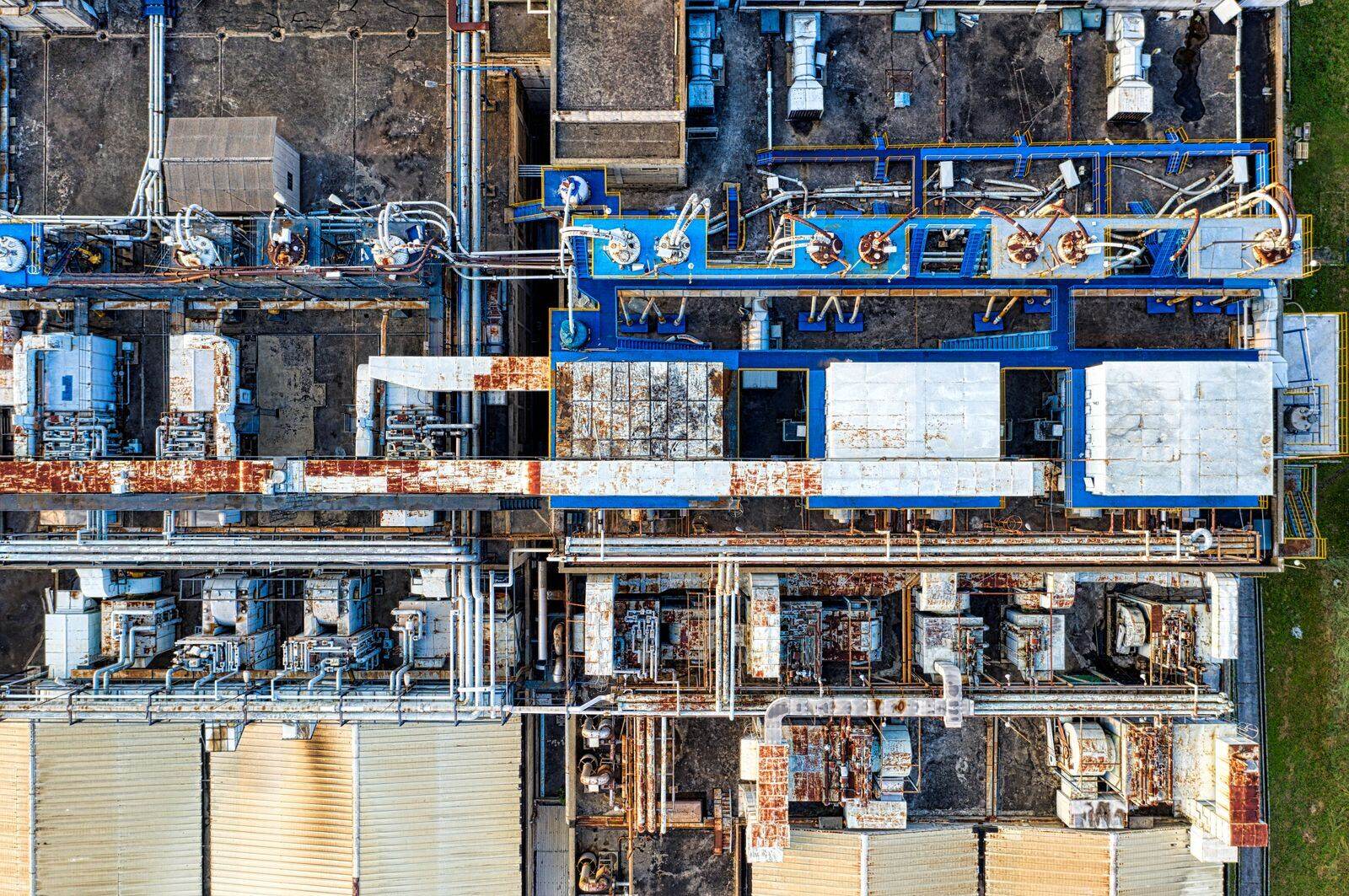
Industrial London is being redeveloped, and a lot of the sites we clear are sold from under the business rather than closed by it. A food producer at Park Royal, a print works in Charlton, a recycling yard in Barking or a vehicle workshop on Purley Way gets a date from the developer or the landlord, and everything on the premises has to be out by then. Sometimes the firm moves to Slough or Dartford. Sometimes it stops.
Either way, a site dispersal sells the contents in one online timed auction with a viewing at the premises. We catalogue the plant, the stock, the vehicles and the offices, and manage the collection window while the building empties. The date is fixed and we work back from it.
Removal in the capital has rules of its own, and those rules go into the plan from the start.
A developer's deadline sets the timetable
A site sold for housing or a new industrial scheme has a completion date, and it does not move because the auction ran late. We propose a timetable that works back from that date. Collection needs to finish a few days before completion, which usually puts the auction close about two weeks before that and cataloguing five or six weeks out, though the number of lots, the access and how quickly buyers pay all move it. Where the notice is shorter, the smaller lots can be brought to our own premises and sold from there, leaving only the plant that has to be rigged.
The plant varies by borough. Park Royal gives us bakery ovens, mixers, packing lines, cold rooms, print presses, finishing kit and workshop lifts. Brimsdown and the Lea Valley have heavier engineering and warehousing. Dagenham and Barking hold balers, shredders, conveyors and picking lines, and logistics yards with trailers and forklifts.
Refrigeration and gas are decommissioned by qualified engineers before collection opens.
Removal vehicles have to meet the capital's rules
Anything larger than a van that collects from a London site has to comply with the Low Emission Zone and, for the heaviest lorries, the Direct Vision Standard. A buyer whose haulier is not set up for it can be turned back or fined, and the lot is still on your floor. We put the requirements in the collection notes and check the buyer's haulier before the slot is booked.
Inner London sites have the usual problems on top. Narrow streets, parking bays, no yard, and a crane that has to stand on the road under a permit from the council. Park Royal and the Lea Valley estates are laid out differently, and what each unit takes is measured before the catalogue goes live.
The general plant trade in Croydon, Romford, Watford, Enfield and Ilford is a short trip from the viewing day, and the auction is online and open to the whole of the UK.
What these sales can include
- Complete production lines
- CNC lathes and machining centres
- Presses, guillotines and folders
- Overhead cranes and hoists
- Compressors and air receivers
- Forklift trucks
- Racking and storage systems
- Tooling, spares and consumables
- Inspection and test equipment
- Welding and fabrication equipment
- Office furniture and IT equipment
- Canteen and welfare equipment
- Vehicles and trailers
The auction
The sale runs as an online timed auction, open for bidding for a fixed period with a viewing day at the site before the close. Lots close in sequence, and a late bid extends the closing time for that lot so nobody is beaten by the clock. Bidders register online, and the sale is advertised to the trade for that type of equipment.
Lots are offered as seen under the auction terms, and buyers are expected to inspect before bidding. The buyer pays the hammer price plus a buyer's premium, with VAT charged where it applies and shown separately on the invoice. Once paid, the buyer collects within the agreed window. Our staff are on site throughout collection to check off each lot and control access.
For very large sites the sale may be split into two or more auctions, so the building empties in stages and production can continue in one area while another is cleared.
The complete site dispersal auctions page covers what a site dispersal involves, preparing the site, removal and heavy lifting, timescales and what to expect.
Questions about selling in London
- The developer has given us a completion date but the sale of the building could still slip. When should we book the auction?
Book against the earliest date the site might have to be clear, and treat any slip as extra time rather than the other way round. An auction that closes a week or two early costs you nothing. One that closes late leaves plant on the floor at completion, which becomes the developer's problem and then yours. If the date moves out by more than a few weeks, we can hold the catalogue and push the close back.
- Our unit is on a busy road with no yard and residential parking outside. Is a site sale even possible?
Yes. It happens a lot in London and it takes planning rather than luck. Heavy lifts are booked for early mornings or weekends with a council permit for the crane and a parking suspension for the road. Smaller lots go out in booked van slots so the street is never blocked for long. Where the building is too awkward, the contents can come to our own premises and be sold there instead, where that is agreed.
More questions about site dispersals
Related services
Guides
- Auction or private treaty: which route to choose
Auction gives you a fixed date and an open market. Private treaty gives you a negotiated price and privacy. This guide sets out when each route suits, what you give up with each, and why many sales use both.
- Closing a business: a timeline for selling the assets
Work backwards from the day you hand the site over. This guide covers lease end and dilapidations, when to instruct, when staff should leave, when to keep the power on, and how to leave enough room for collection and making good.
- What insolvency practitioners need from an auctioneer
For office holders realising physical assets. Covers the instruction letter, the asset schedule and valuation basis, retention of title, finance checks, site security, health and safety during the sale, and the reconciliation you need for the file.