 Britannia Auctions
Factory and workshop clearance in Edinburgh
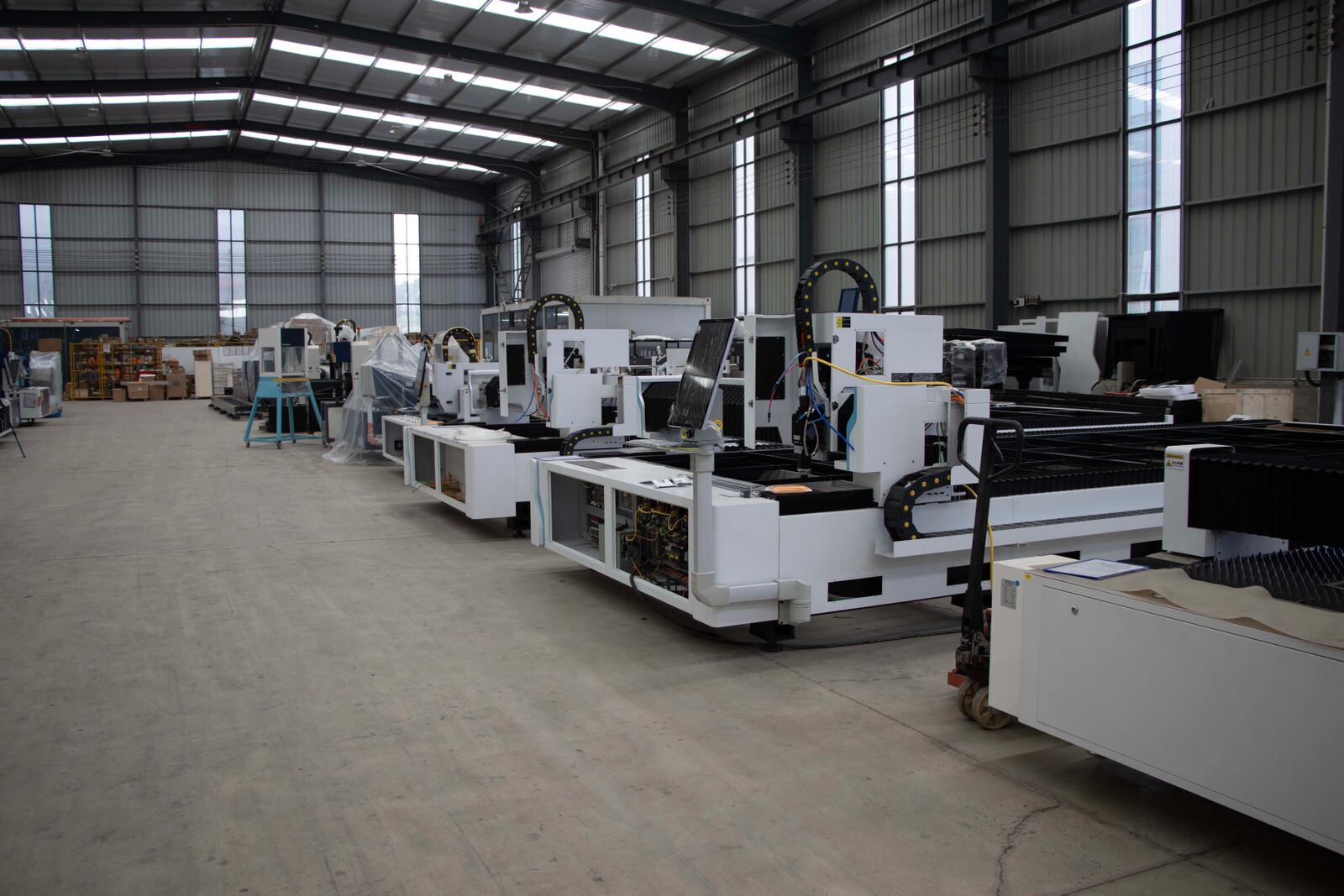
There is less heavy plant to clear in Edinburgh than in the west, and that changes the job. A clearance here is more often a print works, a vehicle workshop, a food unit, a plant hire yard or a construction contractor's depot than a factory with machines on foundations. The lots tend to be lighter, and the strip out takes as long as the fixed plant and the lease require.
Sighthill and Seven Hills hold most of those businesses, with the larger warehousing at Newbridge by the M8 and M9 junction. Leith and Seafield keep the older units and the marine trades, where the access is narrower and the plan needs more thought.
We sell the contents in one online timed auction with a viewing day at the premises, and removing what is fixed and what is left can be arranged where agreed. Tell us what is in it and when the keys are due.
Print works and plant yards from Sighthill to Newbridge
Printing is one of the trades that still comes up for clearance here. Sheet fed presses, digital presses, guillotines, folders, stitchers and laminators have a national market, and the larger presses are catalogued with the dismantling method because moving them takes a specialist. Vehicle workshop kit, lifts, compressors and diagnostic equipment suit garages from Livingston to Dalkeith, a short run from a viewing day.
Construction contractors and plant hire yards leave the mobile lots. Excavators, dumpers, telehandlers, site cabins and small tools are easy to load, so they are the simplest part of the window to plan. The fuel tank, the wash bay, the stores and the office cabin are the strip out.
At Sighthill and Newbridge we check the yard, the turning space and the door before the window is set, and what the site takes goes in the catalogue. The bypass puts Fife and the Borders within reach of a viewing day.
Older port units need a plan for the door
The marine and engineering trades at the port are in buildings never designed for a low loader. Doors can be lower, yards are often shared, and sometimes the street outside is the only place a crane could stand. All of it is measured before the catalogue is written, not on collection day.
Depending on what the survey shows, a heavy lot may be moved to the door and lifted onto a rigid lorry, and where a crane stands on the road we apply for the closure early. Where the building will not release a machine at a cost a buyer would pay, a specialist contractor can take it out after the sale and it is offered from our own premises.
Marine workshops also leave lifting gear, slings, shackles and chain blocks, where a current test certificate is the difference between a working lot and a scrap one. We check the certificates when we first visit and lot the gear accordingly.
What these sales can include
- Production machinery
- Machine tools and tooling
- Pallet racking and mezzanines
- Compressors and air receivers
- Extraction and filtration systems
- Overhead cranes and hoists
- Forklifts and pallet trucks
- Workbenches, cabinets and stores
- Electrical switchgear
- Office furniture and IT
- Scrap metal and redundant stock
- Vans and site vehicles
The auction stage
We catalogue every saleable item on site, from the main machines down to grouped lots of hand tools and stores. The sale runs online as a timed auction with a viewing day at the premises. The buyer pays the hammer price plus the premium, with VAT charged where it applies and shown separately, and collects during an agreed window.
Lots are offered as seen under the auction terms, and buyers are expected to inspect before bidding. They arrange and pay for dismantling and removal. Where an item must be taken down carefully, such as a mezzanine or an overhead crane, the catalogue says so and it is part of the lot.
You keep the premises accessible, safe and powered until collection ends. We attend to release lots. The more that leaves through the auction, the less there is to clear at cost afterwards.
The factory and workshop clearance page covers clearance is a different job from a sale, everything that has to come out, the clearance stage, timescales and what slows them down, when a clearance is the wrong approach.
Questions about selling in Edinburgh
- We are a food producer at Loanhead with chilled rooms. What happens to the refrigeration?
Cold rooms, blast chillers, refrigerated display and ice machines suit the food trade, but the refrigerant has to be recovered by a certified engineer before anything is disconnected, and that visit is booked before the auction opens. The panels and doors then sell as dismantling lots or come down with the strip out. Stainless tables, mixers, ovens and packing kit go in the main sale, and the food trade across the Lothians and Fife can reach a viewing day easily. Product left in the chillers is disposed of first, with the paperwork kept.
- Our plant yard at Newbridge has machines belonging to a hire company mixed in with our own. How is that handled?
Ownership is settled before anything is photographed. We ask for the hire agreements and finance schedules and tag every machine that is not yours. The hire company collects its equipment before the viewing day, and what remains is catalogued and sold. A machine on hire purchase belongs to the funder until it is settled, so it needs their written consent, and where they agree the settlement is usually paid from the proceeds. Gathering the paperwork early keeps a mixed yard from holding the sale up.
More questions about factory clearance
Related services
Guides
- How a commercial asset auction works
A stage by stage account of an online timed auction for business assets. It covers the asset schedule, cataloguing, viewing days, how bidding closes, buyer's premium and VAT, collection and how you get paid.
- Preparing machinery and equipment for sale
What to do before viewing day. Keep the machines that can be run safely available to demonstrate, isolate the rest, clean but do not repaint, find the tooling and manuals, and sort out access for removal.