 Britannia Auctions
Factory and workshop clearance in Leicester
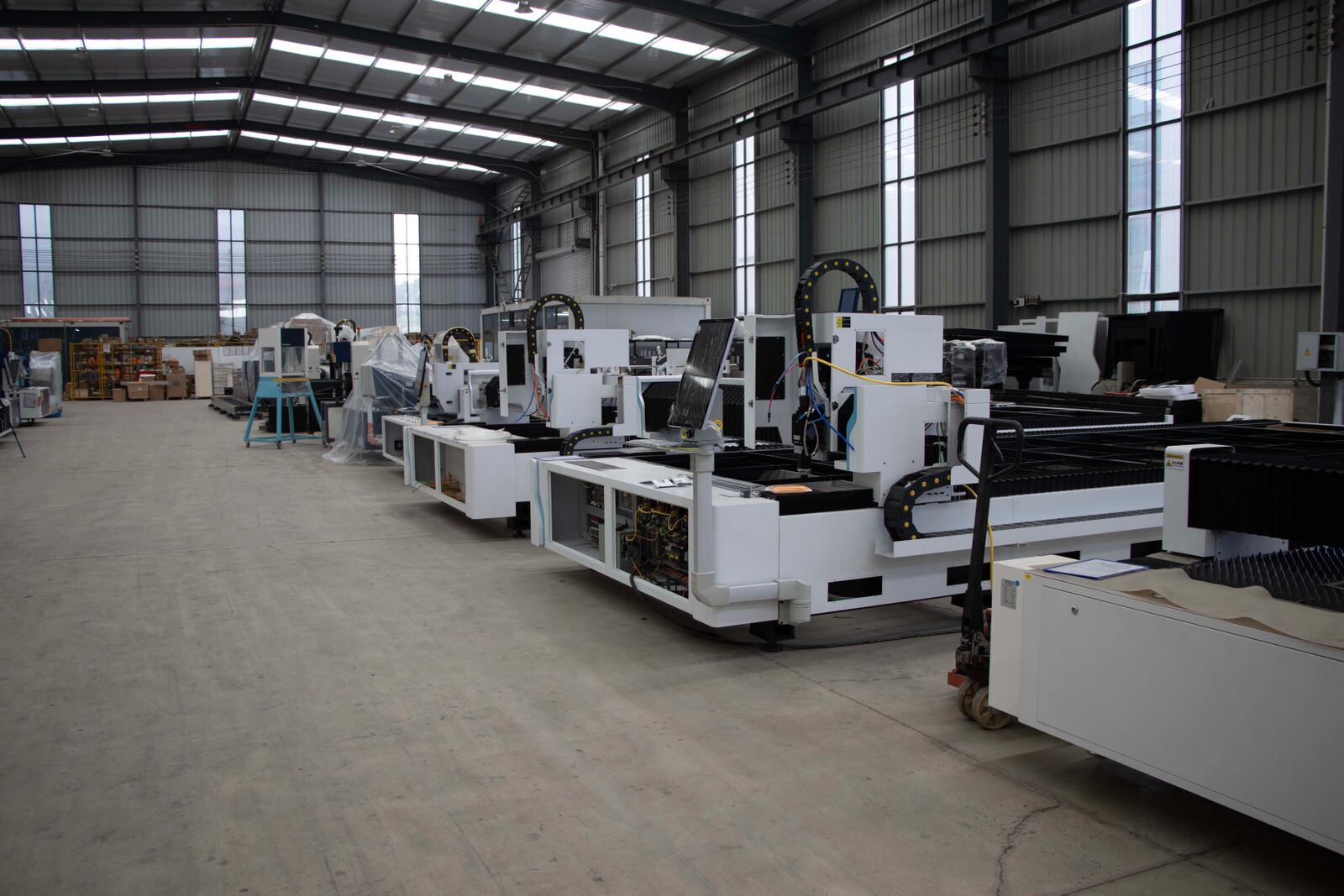
Leicester clearances split into two kinds. On the older textile streets in the east and west of the city, a factory is often a multi storey building with sewing machines, cutting tables, overlockers and steam presses on every floor, a goods lift that may or may not work, and no yard. On the outer estates, Braunstone Frith or the sheds along the M1 and M69, it is a single storey unit with a level floor and a loading door.
The job is the same in both cases. Everything has to be out by the handover date, and what the good items make is set against the cost of removing the rest. The plan is different, because the building decides how the plant leaves.
Tell us which kind you have, and the date the keys go back, through the contact form.
Clearing a multi storey textile factory
The saleable content of a clothing factory is lighter than that of an engineering shop, but there is more of it and it is spread across floors. Industrial sewing machines are usually lotted in groups, and cutting tables, fusing presses, band knives and finishing equipment suit other clothing firms in the city and buyers further afield. Fabric stock and trims are aimed at the same bidders.
The building sets the pace. Whether the lift works, what it is rated for, how wide the stairs are and what the street outside will take are all measured before the catalogue is written, and each lot is marked with how it comes out. Where the route means small vehicles and booked slots, that goes in the catalogue. Where nothing can get near, the lots can be collected and sold from our own premises instead.
The fixed items, extraction, compressed air lines and the boiler for the steam presses, are sequenced with you, and some of them may be the landlord's to keep.
Food and plastics plant near junction 21
On Meridian Business Park and the units around Enderby and Glenfield the plant is heavier. Injection moulding machines, granulators, chillers and dryers from a plastics firm, or stainless tanks, conveyors, fillers and packing lines from a food processor, suit buyers in the Midlands and across the UK, and bidding is online. What the yard and the loading door take is measured when we first visit, and that sets how the main machines go out.
What makes these clearances slow is the residual material. Pallet racking, mezzanine floors, extraction and the compressor house need a strip out contractor once the auction lots have gone, and the yard fills with scrap metal and redundant stock. We sell the racking in lots sized for the trade at Loughborough, Hinckley, Wigston and Lutterworth, all close enough to reach a viewing day, and scrap collection for the rest can be arranged where agreed.
What these sales can include
- Production machinery
- Machine tools and tooling
- Pallet racking and mezzanines
- Compressors and air receivers
- Extraction and filtration systems
- Overhead cranes and hoists
- Forklifts and pallet trucks
- Workbenches, cabinets and stores
- Electrical switchgear
- Office furniture and IT
- Scrap metal and redundant stock
- Vans and site vehicles
The auction stage
We catalogue every saleable item on site, from the main machines down to grouped lots of hand tools and stores. The sale runs online as a timed auction with a viewing day at the premises. The buyer pays the hammer price plus the premium, with VAT charged where it applies and shown separately, and collects during an agreed window.
Lots are offered as seen under the auction terms, and buyers are expected to inspect before bidding. They arrange and pay for dismantling and removal. Where an item must be taken down carefully, such as a mezzanine or an overhead crane, the catalogue says so and it is part of the lot.
You keep the premises accessible, safe and powered until collection ends. We attend to release lots. The more that leaves through the auction, the less there is to clear at cost afterwards.
The factory and workshop clearance page covers clearance is a different job from a sale, everything that has to come out, the clearance stage, timescales and what slows them down, when a clearance is the wrong approach.
Questions about selling in Leicester
- Our factory is on an old street in the east of the city with no yard. Can you still clear it?
Yes. Most of the textile buildings in Leicester were built before lorries, and we plan around that. We catalogue on site, then run collection in booked slots so that vans are not queuing on a residential street. What each heavy item needs depends on its weight, its dimensions and the route out. Where the stairs rule out moving it whole, a specialist can dismantle it, or it is cut for scrap if it has no value. Where the access would hold bidding back, the lots can be sold from our own premises instead.
- The landlord wants the unit back at the quarter day. How far ahead should we call you?
Six to eight weeks before the handover date is a comfortable start for a single unit. That leaves room to catalogue, run bidding, hold the collection window and strip out what is left, though each stage moves with the number of lots, the access and how quickly buyers pay. A large food or plastics plant with fixed services needs longer, because the contractors who disconnect and lift need booking. If you are closer to the date than that, call anyway. A shorter plan is still better than none.
More questions about factory clearance
Related services
Guides
- How a commercial asset auction works
A stage by stage account of an online timed auction for business assets. It covers the asset schedule, cataloguing, viewing days, how bidding closes, buyer's premium and VAT, collection and how you get paid.
- Preparing machinery and equipment for sale
What to do before viewing day. Keep the machines that can be run safely available to demonstrate, isolate the rest, clean but do not repaint, find the tooling and manuals, and sort out access for removal.