 Britannia Auctions
Factory and workshop clearance in Manchester
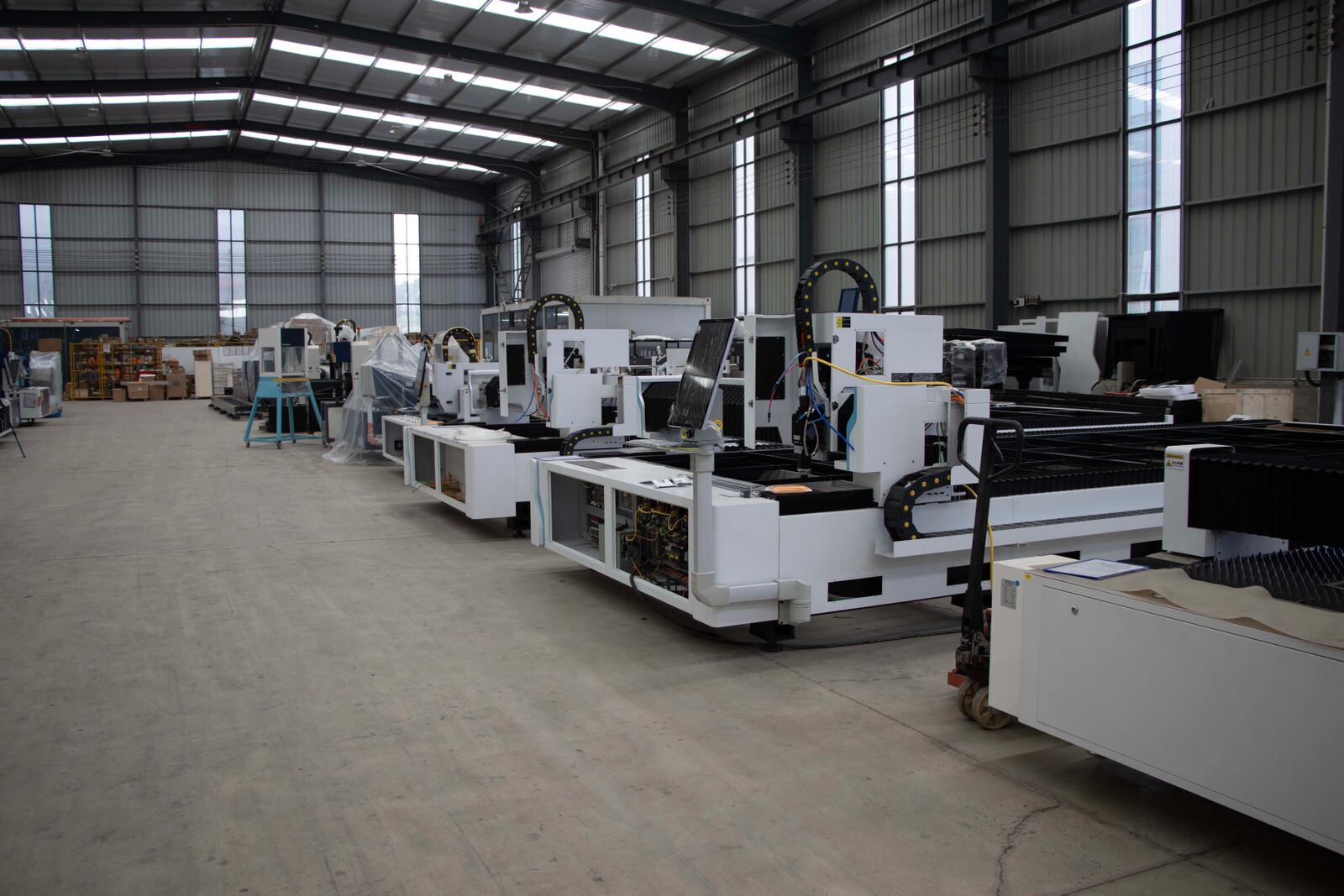
Trafford Park has more factory floor than any other estate in the region, and when a unit there empties, the clearance is usually large. A food or drink processor leaves stainless tanks, pumps, pipework and packing lines. A packaging firm leaves converting machinery, guillotines, slitters and pallets of stock. A recycling operator leaves balers, shredders, a weighbridge and a yard full of steel.
We catalogue all of it on site and run an online timed auction with a viewing day. Stripping out what is fixed or unsold can be arranged afterwards where agreed, so the landlord takes back a clean unit.
The older sites in Openshaw and Newton Heath need a different approach from the big sheds near the M60. We plan the removal around the building first, and the catalogue second. Describe the site and the handover date through the contact form.
Process plant and packaging lines from the big estates
Stainless steel process plant has a market across the UK and beyond. Jacketed vessels, mixers, pumps, conveyors and filling lines from a Manchester food or drink factory suit other processors and dealers who export, and one online sale gives them all the same window. Packaging and converting machinery has a narrower market, and condition and specification count for more in it.
The pipework, wash down bays, cold rooms and effluent plant are the clearance side of the job. Cold room panels come out as a lot if they are in good order. Pipework and cable tray go for scrap. The compressor house, the boiler, the transformer and the switchgear are usually fixtures and the lease will say who owns them.
On Trafford Park and along the M62 towards Rochdale we check the yard, the dock and the door at the site visit and set the collection window from what they take. On a site with room to work it is usually the strip out afterwards that takes the time.
Older units in the east of the city
A workshop in Openshaw or Newton Heath can be a brick built unit with a rolling shutter onto a shared yard and little room to turn. The plant inside, machine tools, welding bays, an overhead crane, a compressor, is worth cataloguing properly, but the road decides how it comes out.
We walk the route on the first visit and measure it. What a rigid lorry can reach decides the collection window, and where it cannot reach the lots, a hiab on a booked morning or a move to our own premises are the arrangements we would weigh up. The trade at Stockport, Oldham, Bolton and Salford is close enough to reach a viewing day, and the catalogue tells every bidder what collection looks like before they bid.
Overhead cranes are worth a mention. A crane and its rails is a fixture until it is dismantled, and the landlord may want it left in place.
What these sales can include
- Production machinery
- Machine tools and tooling
- Pallet racking and mezzanines
- Compressors and air receivers
- Extraction and filtration systems
- Overhead cranes and hoists
- Forklifts and pallet trucks
- Workbenches, cabinets and stores
- Electrical switchgear
- Office furniture and IT
- Scrap metal and redundant stock
- Vans and site vehicles
The auction stage
We catalogue every saleable item on site, from the main machines down to grouped lots of hand tools and stores. The sale runs online as a timed auction with a viewing day at the premises. The buyer pays the hammer price plus the premium, with VAT charged where it applies and shown separately, and collects during an agreed window.
Lots are offered as seen under the auction terms, and buyers are expected to inspect before bidding. They arrange and pay for dismantling and removal. Where an item must be taken down carefully, such as a mezzanine or an overhead crane, the catalogue says so and it is part of the lot.
You keep the premises accessible, safe and powered until collection ends. We attend to release lots. The more that leaves through the auction, the less there is to clear at cost afterwards.
The factory and workshop clearance page covers clearance is a different job from a sale, everything that has to come out, the clearance stage, timescales and what slows them down, when a clearance is the wrong approach.
Questions about selling in Manchester
- We are leaving Trafford Park in stages over three months. Can the clearance follow the production line down?
Yes, and it is often the better way. We catalogue the whole site once, then run the sale in phases as each part of the line stops, with the last auction closing a week or two before the handover date. The site keeps trading around the earlier phases, and buyers collect from areas that are already out of use. The strip out of fixed services waits until the last machine has gone. The phases need a date each, and we hold to them.
- Our factory has cold rooms, wash down areas and stainless pipework. Is any of that saleable?
Some of it. Cold room panels, doors, evaporators and condensing units are worth offering where they can be taken down without damage, and stainless tanks and vessels are usually the lots with the widest market. Stainless pipework and fittings have scrap value at a better rate than mild steel, so we keep them separate from the general scrap. Wash down bays, drainage and floor coatings are part of the building and stay. We tell you which is which when we walk the site, so the catalogue and the strip out plan do not overlap.
More questions about factory clearance
Related services
Guides
- How a commercial asset auction works
A stage by stage account of an online timed auction for business assets. It covers the asset schedule, cataloguing, viewing days, how bidding closes, buyer's premium and VAT, collection and how you get paid.
- Preparing machinery and equipment for sale
What to do before viewing day. Keep the machines that can be run safely available to demonstrate, isolate the rest, clean but do not repaint, find the tooling and manuals, and sort out access for removal.