 Britannia Auctions
Factory and workshop clearance in Nottingham
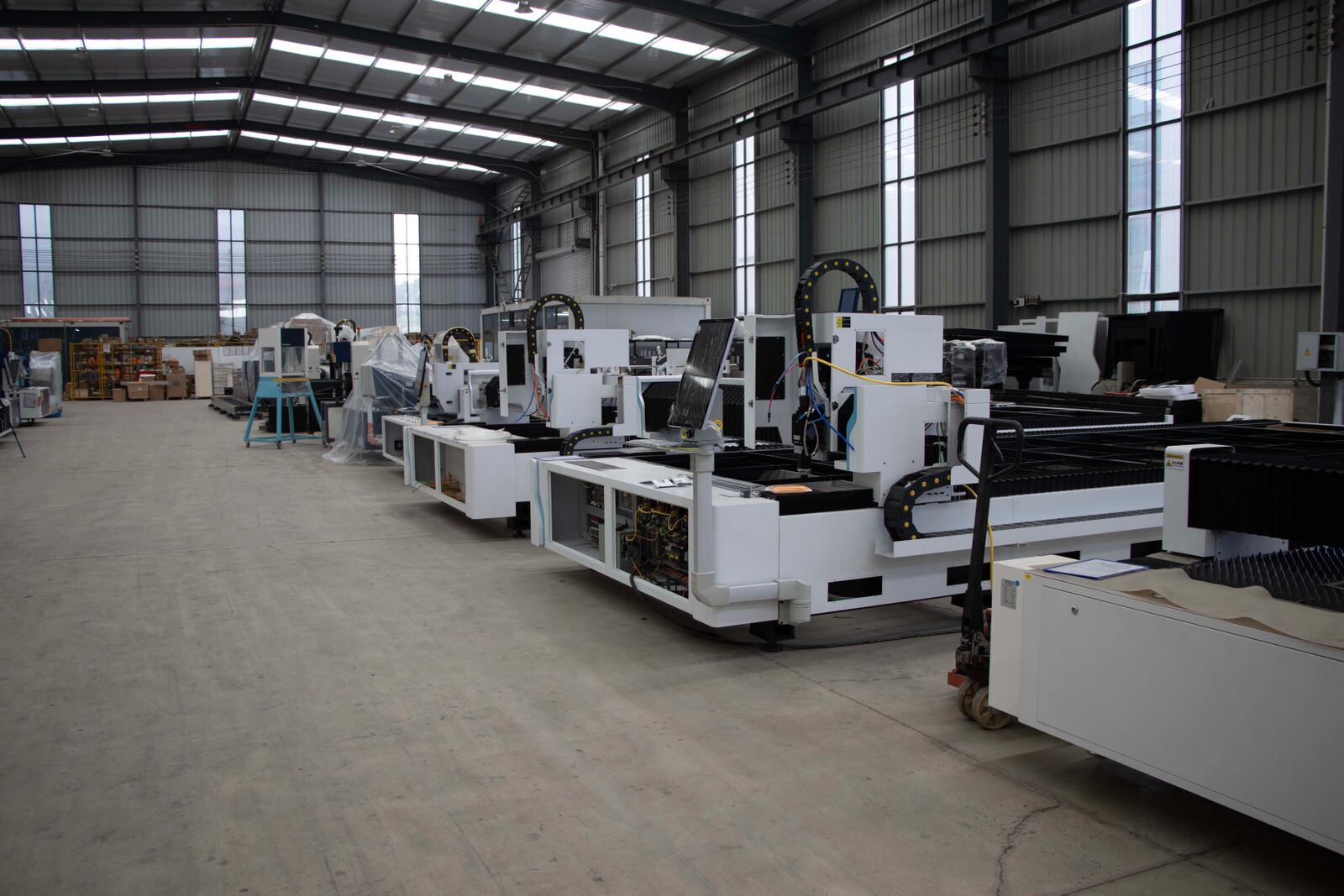
Not every clearance is a machine shop. Nottingham has laboratories and packing suites at Beeston, print works, wholesale warehouses at Colwick and engineering units on Lenton Lane, and each empties differently. A pharmaceutical site leaves fume cupboards, autoclaves, clean room panels and cold storage. A print firm leaves presses and guillotines. A wholesaler leaves racking, forklifts, a mezzanine and a fleet of pallet trucks.
The ring road keeps the run between the estates short, and what each yard and loading door takes is measured when we walk the site. The harder part is usually the order of work, which fixed items belong to the landlord, what needs licensed disposal, and how much time is left before the keys go back.
We auction the contents, and stripping out what is left can be arranged where agreed. Send us the address and your date, and we will tell you what a plan looks like.
Lab plant and clean rooms need a different catalogue
Laboratory and pharmaceutical equipment has its own market, and the catalogue has to answer different questions from a machinery one: the model, the serial number, the last service date and whether the item was in a validated process. We photograph and describe lab lots with that in mind, and group the small items, glassware, balances, stirrers and centrifuges, into lots that suit a university or a contract lab.
Clean room panels, doors, HEPA filter units and air handling plant sell if they come down cleanly. The ductwork usually does not. Cold rooms and freezers sell, with the compressors, if the buyer can collect before the power is cut.
What needs care is the residue. Chemicals, solvents, reagents and anything that has been in contact with active ingredients need a licensed disposal contractor before the strip out starts, and we plan that with you rather than leave it to the last week.
Warehouse and engineering units on the ring road
For the rest of the city the plant is more familiar. Engineering shops on Lenton Lane and at Blenheim Industrial Estate near junction 26 leave machine tools, welding bays, compressors and racking. Print firms leave presses and finishing kit. Wholesale warehouses at Colwick leave long runs of pallet racking, a forklift fleet, a mezzanine floor and whatever stock did not move.
Online bidding opens the sale to bidders anywhere in the UK, and the trade at Derby, Mansfield, Long Eaton and Ilkeston is a short run from a viewing day. The A52 and the ring road make that a morning out rather than a day off work.
Racking and mezzanines are dismantled after the loose lots have gone, either by the buyer or by a contractor where agreed, with the floor fixings ground off. The forklifts are usually collected at the end of the window, by agreement, because they are useful right up to it.
What these sales can include
- Production machinery
- Machine tools and tooling
- Pallet racking and mezzanines
- Compressors and air receivers
- Extraction and filtration systems
- Overhead cranes and hoists
- Forklifts and pallet trucks
- Workbenches, cabinets and stores
- Electrical switchgear
- Office furniture and IT
- Scrap metal and redundant stock
- Vans and site vehicles
The auction stage
We catalogue every saleable item on site, from the main machines down to grouped lots of hand tools and stores. The sale runs online as a timed auction with a viewing day at the premises. The buyer pays the hammer price plus the premium, with VAT charged where it applies and shown separately, and collects during an agreed window.
Lots are offered as seen under the auction terms, and buyers are expected to inspect before bidding. They arrange and pay for dismantling and removal. Where an item must be taken down carefully, such as a mezzanine or an overhead crane, the catalogue says so and it is part of the lot.
You keep the premises accessible, safe and powered until collection ends. We attend to release lots. The more that leaves through the auction, the less there is to clear at cost afterwards.
The factory and workshop clearance page covers clearance is a different job from a sale, everything that has to come out, the clearance stage, timescales and what slows them down, when a clearance is the wrong approach.
Questions about selling in Nottingham
- Our lab at Beeston has equipment that was part of a validated process. Can it still be sold?
Yes. Validation is a property of your process, not of the equipment, and once the item is out of service it is offered as a used instrument in the condition described. Lots are offered as seen under the auction terms and buyers are expected to inspect before bidding, which is why the description matters. What we do need from you is the service and calibration history, because it affects what buyers will pay, and confirmation that the item has been decontaminated before it leaves site. We include that in the catalogue.
- The warehouse at Colwick has racking bolted to the floor. Who takes it out and makes good the slab?
The racking is sold as a dismantling lot, and the buyer, or a contractor where agreed, takes it down after collection of the loose lots. Floor bolts are cut or ground flush and the holes filled. Whether that meets the dilapidations schedule is a question for the schedule itself, and where it asks for more, such as a repainted floor, that is a separate strip out item we price early. We would rather you know the cost before the auction than after.
More questions about factory clearance
Related services
Guides
- How a commercial asset auction works
A stage by stage account of an online timed auction for business assets. It covers the asset schedule, cataloguing, viewing days, how bidding closes, buyer's premium and VAT, collection and how you get paid.
- Preparing machinery and equipment for sale
What to do before viewing day. Keep the machines that can be run safely available to demonstrate, isolate the rest, clean but do not repaint, find the tooling and manuals, and sort out access for removal.