 Britannia Auctions
Private treaty sales in London
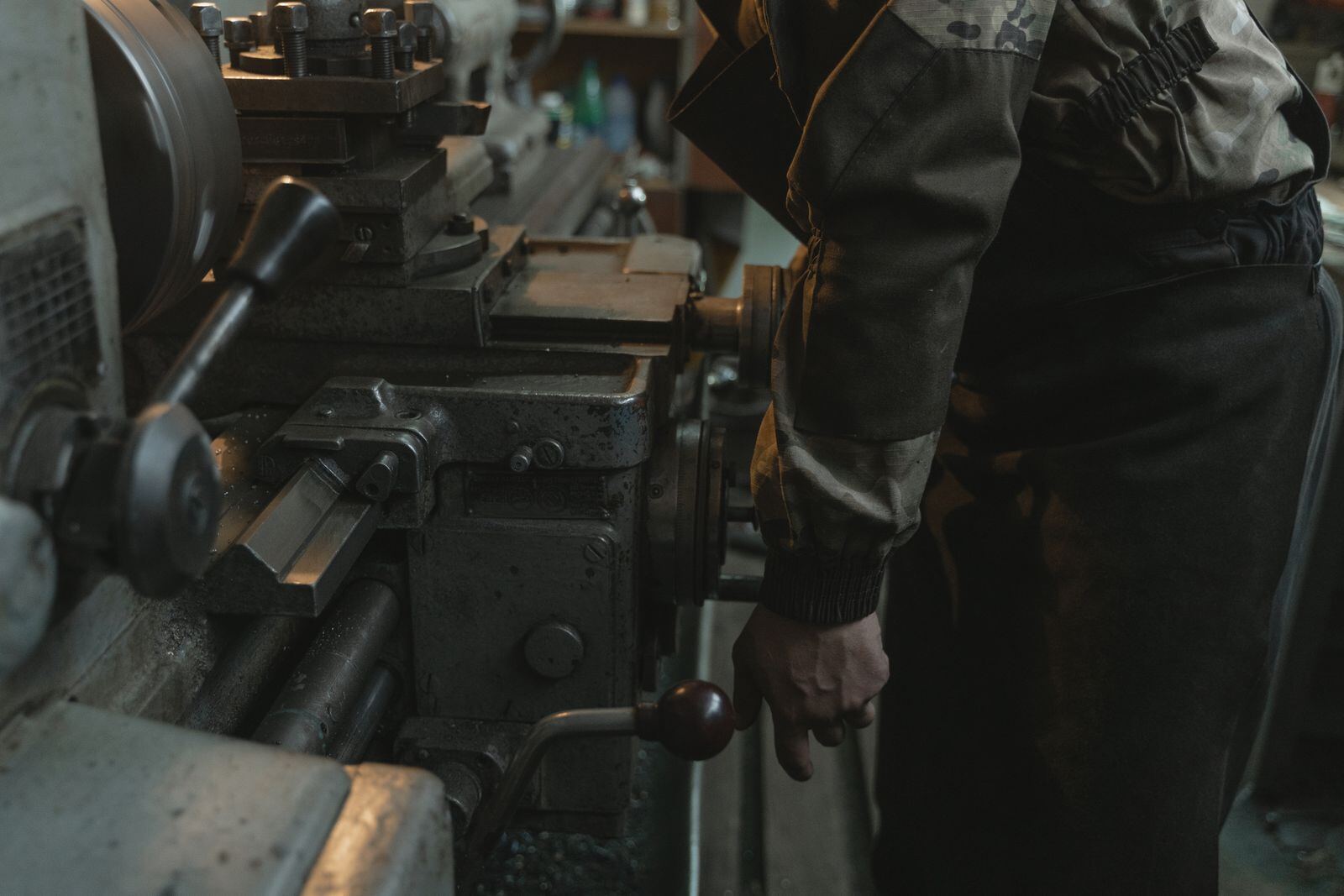
Industrial London runs out of time before it runs out of buyers. A printing press in Park Royal, a food production line in Enfield, a baler in Barking or a shredder in Dagenham is often on a site where the lease or the sale of the building sets the date. A private treaty sale has to be run with that date in mind, and if the buyer cannot complete in time, the machine has to leave anyway.
We do it in that order. Inspect and describe the asset, approach the buyers who deal in it, handle the offers in writing, and where the premises must be cleared first, collect the machine to our own premises and carry on marketing from there. Nothing is published unless you want it to be, and our fee is agreed in writing before marketing begins.
Plant from the outer boroughs, by sector
Park Royal and the estates along the A40 hold the printers and the food producers. A large format or web press, a bakery line or a ready meal line is a single high value item with a buyer pool spread across the country rather than gathered near the site. Brimsdown and the Lea Valley add heavier engineering and warehousing plant. Dagenham Dock and Barking add vehicle plant and the shredders, balers, separators and sorting lines of the recycling firms, which sell to other operators and to the dealers who rebuild them.
For each we prepare a description the buyer's engineer can work from, approach the end users and dealers who deal in that plant, including any we know of who are looking, run sealed bids where more than one is serious and put each offer to you in writing. Buyers based in Croydon, Romford, Watford, Slough or Dartford have a short journey to an inspection, and a buyer elsewhere in the UK can send an engineer or ask us to inspect on their behalf.
Removal under the zone rules
Moving a machine out of London is a different job from moving one out of Leeds. The buyer's haulier has to meet the Low Emission Zone and the Direct Vision Standard rules or hire a vehicle that does. Room for a low loader to wait cannot be assumed and is checked on site. A crane in the road needs a permit from the borough, applied for well ahead. Working hours on a shared estate may be limited. None of this stops a sale, but it costs money and time, and a buyer who has not planned for it prices that into the offer.
So we plan it before offers are invited. The description states the site access, the crane position, the parking and permit position and the hours the estate allows for heavy vehicles. Where the site is due to be handed back, the machine can be collected and held at our own premises, so the buyer collects without a lease date running.
What these sales can include
- CNC machining centres and lathes
- Printing presses
- Injection moulding machines
- Packaging lines
- Large generators and switchgear
- Cranes and heavy lifting equipment
- Specialist process plant
- Laboratory and test equipment
- Complete production cells
- Late model plant and vehicles
- Marine and rail equipment
- High value catering and bakery lines
How we market the asset
We inspect the asset, or have it inspected, and prepare a description with photographs, specification, condition and any service history. We then approach buyers directly: dealers who trade in that type of machine, and end users the asset suits. The asset can be advertised openly or offered only to selected parties. How open we are depends on how much confidentiality you need.
Interested buyers inspect by appointment. We attend or arrange access, answer questions and take offers. You are kept informed at each stage but do not have to deal with the buyers yourself.
There is no fixed end date. A private treaty sale takes as long as it takes to find the right buyer at the right price, which is one of its advantages and one of its costs.
The private treaty sales page covers when private treaty beats auction, how offers are handled, fees and what you receive, what to prepare.
Questions about selling in London
- Can the machine be moved out of the building while the sale is still being negotiated?
Yes, where that is agreed. If the lease ends or the building is sold before a buyer has completed, the machine can be collected and held at our own premises, and marketing continues from there. It costs a removal and it loses the advantage of showing the machine under power, so where the timescale allows we prefer to sell in place. We tell you which route we think is right for the machine and the date, and you decide.
- Do the Direct Vision Standard rules affect who can collect a machine?
They affect the vehicle rather than the buyer. Any lorry over twelve tonnes working inside Greater London needs a safety permit under the scheme, and some vehicles need extra equipment to qualify. A specialist machinery mover will usually hold the permit, where a buyer's own lorry may not. We raise it with every buyer at the offer stage so collection is booked with a vehicle that can legally enter the area.
More questions about private treaty
Related services
Guides
- Auction or private treaty: which route to choose
Auction gives you a fixed date and an open market. Private treaty gives you a negotiated price and privacy. This guide sets out when each route suits, what you give up with each, and why many sales use both.
- What happens to unsold lots
Not every lot sells, but the site still has to be cleared. This guide covers why lots go unsold, private treaty after the sale, lowering or removing the reserve, a later sale, scrap and WEEE recycling, and what disposal costs.