 Britannia Auctions
Surplus equipment sales in Glasgow
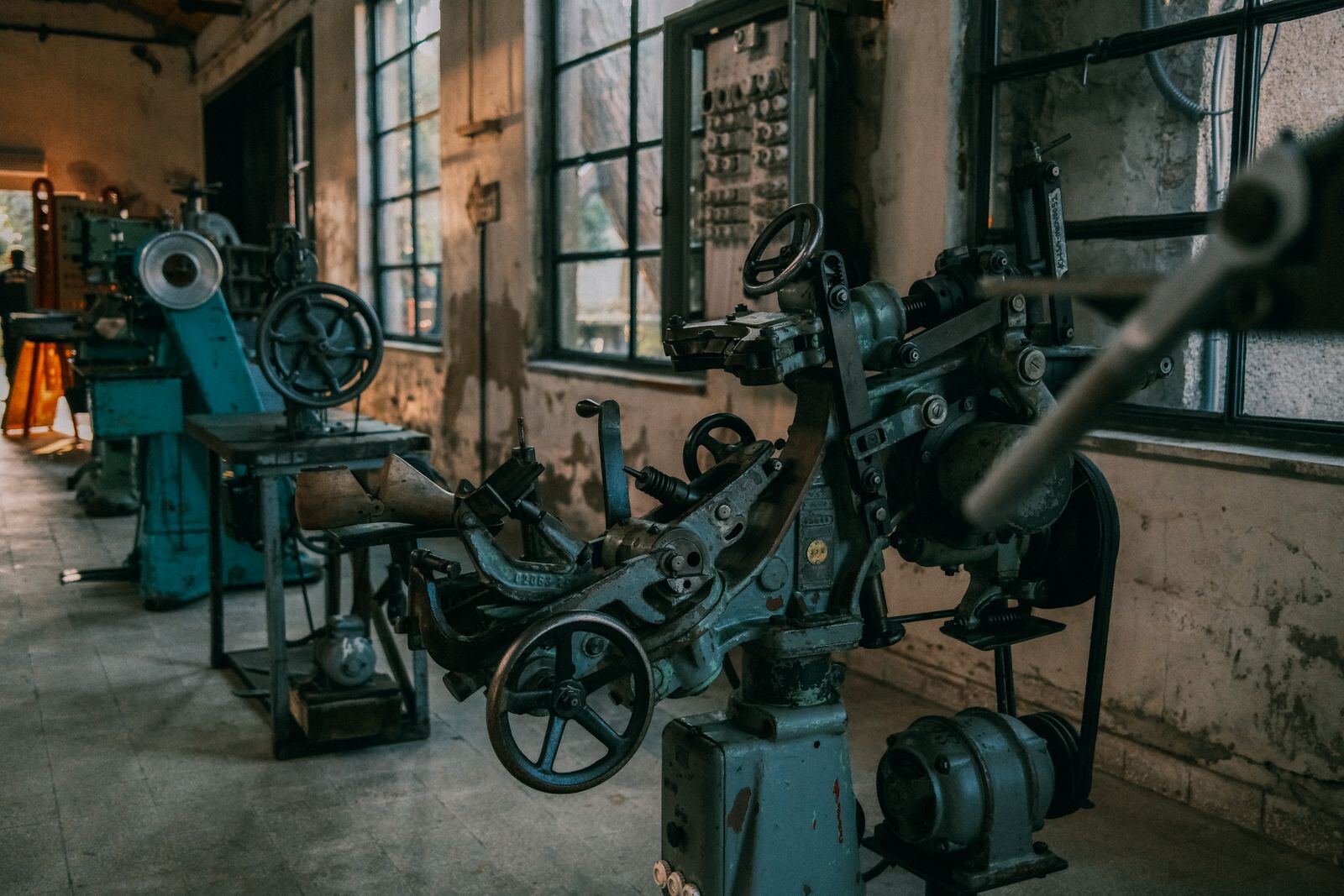
Scotland's largest concentration of industry is also its densest concentration of possible buyers. A vehicle lift or a tyre machine from a workshop at Hillington sits a short drive from the garages that use them, and a machining centre from a Queenslie engineering shop is within easy reach of fabricators in Coatbridge and Motherwell. Bidding itself is online and open nationally, so what proximity decides is who can view and collect cheaply, not who can bid.
We sell surplus from working businesses across the city and its estates. The kit is catalogued where it stands and bidding runs online over a week or two. Collection is booked into slots that fit your shifts. Vehicle workshops, engineering shops, food producers, packaging plants and distribution depots all use the same service. The lots change. The method does not.
Vehicle workshop lifts and the fabrication shop next door
Motor trade surplus is common in a city with this many workshops. Two post and four post lifts, tyre changers, wheel balancers, diagnostic kit, brake testers and compressors come out whenever a garage refits, changes franchise, shuts a bay or moves. They are catalogued for other garages, mobile mechanics, colleges and the trade that refurbishes them, much of which sits within a short drive of the M8. A current inspection report is worth having, because a buyer can put the lift back to work sooner, and the catalogue says whether one exists.
Engineering and fabrication surplus is the other regular. Lathes, mills, press brakes, guillotines and welding sets from firms at Hillington and Queenslie sell to the same trade across the central belt, with dealers bidding online for the better machines.
Food and packaging kit, stainless process plant and flow wrappers from the producers on the east side, has a national market and travels well.
Leaving the estates, and what we check first
The main estates sit on the motorway. Hillington is at junction 26 of the M8, Queenslie is beside the same road in the east and Clydesmill is off the M74 at Cambuslang, which helps a buyer sending a lorry from England. What an individual unit will take is a separate question, so the gate, the yard, the turning space, the loading door and the floor are checked before the catalogue is written.
Inside the building is where we do the planning. The route from a machine to the door is walked before the catalogue goes live, and where a lot needs a crane, skates, a stair climber or a specialist rigger it says so, with the buyer bringing the right crew, or it can be arranged and charged on where agreed. Collection is in booked slots inside the window we agree with you, one crew or lorry at a time, and our staff release each lot against a paid invoice.
Older units in Rutherglen can be tighter, and we look before we promise.
What these sales can include
- Machine tools and CNC equipment
- Forklifts and access platforms
- Pallet racking and shelving
- Compressors and air tools
- Welders and fabrication kit
- Vehicles and trailers
- Test and measurement equipment
- Site accommodation and containers
- Packaging and labelling machines
- Obsolete stock and components
- Office furniture and IT
- Catering and canteen equipment
Selling from a live site
Most surplus sales happen inside a business that is still trading. That changes how we work. Cataloguing is done around your shifts. Viewing is by appointment or on a single day, with visitors signed in and escorted. Collection is booked in slots so that nobody is moving a machine through the middle of a production run.
Items that are still bolted down, plumbed in or connected to services are isolated by a competent person before collection, with electrical and gas disconnection done by qualified people. Buyers arrange and pay for the removal of their lots, and they do not disconnect services themselves.
Tell us about anything that affects access: weight limits on floors, door heights, crane availability, restricted hours. It all goes in the catalogue so buyers plan the removal properly.
The surplus equipment sales page covers what counts as surplus, one sale or a standing arrangement, pricing, reserves and the buyer's premium, after the sale.
Questions about selling in Glasgow
- Will a vehicle lift sell if it has been taken off the floor and is lying in the yard?
It can, but a dismantled lift is worth less than one standing and working. Buyers want to see a lift go up and down, and one lying in the yard with the fixings in a bucket is a project rather than a tool. If you can leave lifts installed until the sale closes and let buyers remove them in their slot, do that, with the disconnection done by qualified people. Where a lift has already come out, we photograph every part, list what is present and describe it honestly as dismantled.
- Do buyers from England bid on Glasgow sales?
The sale is open to them. Online bidding means a dealer in the Midlands or a manufacturer in Yorkshire sees the lot at the same time as a firm in Paisley, and the motorway estates make sending a lorry north straightforward. On lower value lots the cost of transport counts for more, which tends to favour a buyer who is close. Either way the sale is open to the whole of the UK, and further afield where it justifies the shipping.
More questions about surplus equipment
Related services
Guides
- Preparing machinery and equipment for sale
What to do before viewing day. Keep the machines that can be run safely available to demonstrate, isolate the rest, clean but do not repaint, find the tooling and manuals, and sort out access for removal.
- How used machinery is valued
Buyers pay for what a machine will do for them, less what it costs to get it out and running. This guide explains how make, hours, tooling, demand and removal cost feed a guide price, and why that price is not book value.