 Britannia Auctions
Surplus equipment sales in Sheffield
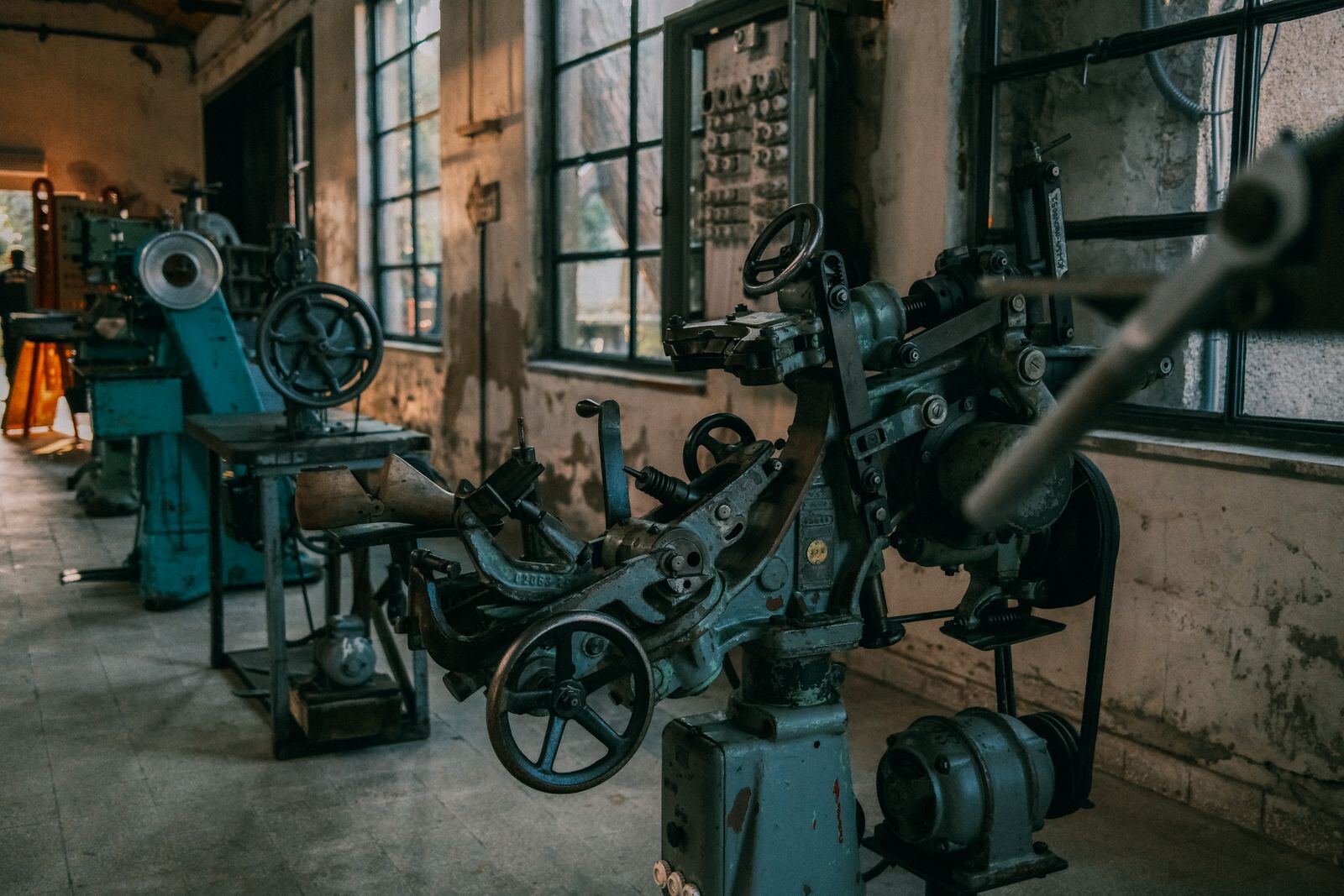
A machining centre replaced by a newer one does not stop being worth money because it was moved to the back of the shop. In Sheffield it is often a substantial machine, because the work in the Lower Don Valley calls for serious kit. Lathes, mills, grinders, presses and the tooling and inspection equipment that go with them are what we see most when an engineering business asks us to sell its surplus.
The job is to get it sold and out without the rest of the shop noticing. We catalogue where the machines stand, photograph them under power where they can safely be run, sell online over a week or two and bring buyers in to view by appointment. Collection is a rigging job for anything heavy, and we plan it that way from the start rather than hoping a buyer turns up with the right lorry.
The kit an engineering shop stops using
Replaced CNC machines are the main event. A three axis mill or a turning centre that was the best machine in the shop five years ago is catalogued for other Sheffield firms and for dealers, with export interest possible. The trade in Rotherham, Chesterfield, Barnsley and Doncaster is within easy reach of a viewing day, and bidding is online from everywhere else. A manual lathe or a surface grinder suits a smaller circle of buyers.
Tooling and inspection kit is the part sellers underestimate. Tool holders, chucks, vices, gauges, a coordinate measuring machine from a contract that ended. On their own they are small lots. Catalogued properly they add up, and the trade knows what they are looking at.
Forging and heat treatment plant is a different market again. Furnaces and hammers are heavy and specialist, and we will give you a straight view on whether a sale or private treaty to a single buyer is the better route.
Rigging out of a working shop
The Attercliffe and Tinsley estates differ from unit to unit, so the approach, the yard and the loading door are checked when we walk the site. The rest of the job is inside the building. A press bolted down in the middle of a live shop has to come out past machines that are still running, and the route matters more than the weight.
We walk the route before the sale. Where a lot needs a crane, skates or a specialist rigger, we say so in the catalogue and the buyer brings it, or it can be arranged and charged on where agreed. Collection is in booked slots inside the window we agree with you, so one rigging crew is in the building at a time. Our staff attend to release each lot against a paid invoice.
Isolation and disconnection are done by qualified people, not by the buyer. Coolant is drained and swarf cleared before collection. A machine on finance stays with the funder until the agreement is settled, so we need their written agreement before it goes in the catalogue.
What these sales can include
- Machine tools and CNC equipment
- Forklifts and access platforms
- Pallet racking and shelving
- Compressors and air tools
- Welders and fabrication kit
- Vehicles and trailers
- Test and measurement equipment
- Site accommodation and containers
- Packaging and labelling machines
- Obsolete stock and components
- Office furniture and IT
- Catering and canteen equipment
Selling from a live site
Most surplus sales happen inside a business that is still trading. That changes how we work. Cataloguing is done around your shifts. Viewing is by appointment or on a single day, with visitors signed in and escorted. Collection is booked in slots so that nobody is moving a machine through the middle of a production run.
Items that are still bolted down, plumbed in or connected to services are isolated by a competent person before collection, with electrical and gas disconnection done by qualified people. Buyers arrange and pay for the removal of their lots, and they do not disconnect services themselves.
Tell us about anything that affects access: weight limits on floors, door heights, crane availability, restricted hours. It all goes in the catalogue so buyers plan the removal properly.
The surplus equipment sales page covers what counts as surplus, one sale or a standing arrangement, pricing, reserves and the buyer's premium, after the sale.
Questions about selling in Sheffield
- Can we keep running the machines next to the ones being sold?
Yes, and most sellers do. Cataloguing takes a couple of hours in the shop and can be done on a quiet shift. Viewing is by appointment with visitors escorted. The only real disruption is collection day for heavy lots, when a crane or skates need a clear route. We plan that route with you and book the slot for a time you choose. A weekend or a shutdown day is often the answer for the biggest machine.
- Would a private treaty sale get more for a single large machine?
Sometimes. A specialist machine with a small number of likely buyers can do better by direct negotiation than by open auction, and we offer private treaty for that reason. A general purpose machining centre usually does better at auction, because many buyers compete on one date. We will give you our opinion on each item before you decide. It is an opinion, not a promise, and the market on the day decides.
More questions about surplus equipment
Related services
Guides
- Preparing machinery and equipment for sale
What to do before viewing day. Keep the machines that can be run safely available to demonstrate, isolate the rest, clean but do not repaint, find the tooling and manuals, and sort out access for removal.
- How used machinery is valued
Buyers pay for what a machine will do for them, less what it costs to get it out and running. This guide explains how make, hours, tooling, demand and removal cost feed a guide price, and why that price is not book value.