 Britannia Auctions
Surplus equipment sales in Leicester
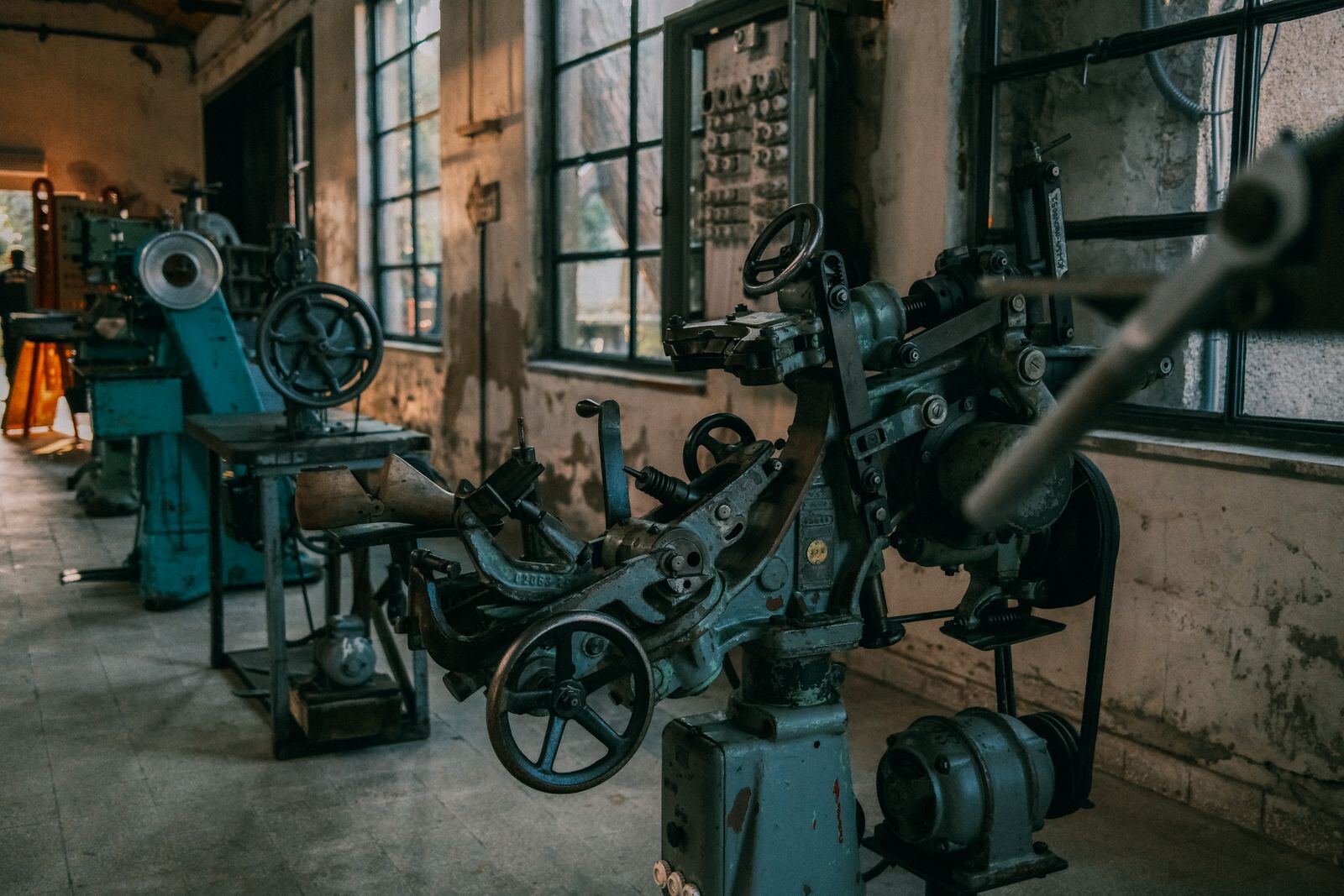
A textile workshop replaces its overlockers and the old ones go up on the mezzanine. A food processor commissions a new packing line and the previous one sits under a sheet. In Leicester the surplus we see most is exactly that, kit that was working until the day it was replaced, in a business that has not stopped.
We sell it without stopping you. We catalogue the items where they stand, photograph them, run an online timed auction for a week or two and book collection in slots around your production. The clothing trade in the east and west of the city and the distribution sheds near junction 21 throw off different kinds of surplus, and the buyers for each are different too.
Send a list through the form and we will tell you what is worth putting in a sale.
Sewing machines to packing lines
Textile surplus is small lots in large numbers. Industrial sewing machines, cutting tables, fusing presses, steam boilers, rails and hangers. Each one is low value on its own, so we lot them in sensible groups and let the trade buy in bulk. This kind of kit is catalogued for the same streets and for the trade in Wigston, Oadby and further out, where a used machine that is available now can suit better than a new one.
Food processing and packaging surplus is the opposite. A single labelling machine or a flow wrapper can be the main lot in a sale, and the catalogue for it is open across the whole UK. We photograph it properly, note the model and serial, and set a reserve with you if it justifies one.
Plastics firms generate moulds, granulators, chillers and dryers when a product line ends. Those need the tooling described accurately, because the buyer is often a moulder who knows exactly what they are looking at.
Getting it out of an inner city street
The older textile streets were built for handcarts, not articulated lorries. What that means for a lot depends on its weight and dimensions and on the route out, so before the sale we look at the doorway, the stairs, the floor levels and the space to load. The catalogue then tells buyers what each lot needs. Where a lot has to come down a flight of stairs we say so, and bidders price that in.
On the outer estates, Braunstone Frith or the business parks by the M1, the same checks are made before anything is described.
Collection is by appointment in the window we agree with you. Your staff are not the ones lifting, and nobody wanders around a working factory unescorted. Where it suits better, the lots can come to our own premises and be sold there instead.
What these sales can include
- Machine tools and CNC equipment
- Forklifts and access platforms
- Pallet racking and shelving
- Compressors and air tools
- Welders and fabrication kit
- Vehicles and trailers
- Test and measurement equipment
- Site accommodation and containers
- Packaging and labelling machines
- Obsolete stock and components
- Office furniture and IT
- Catering and canteen equipment
Selling from a live site
Most surplus sales happen inside a business that is still trading. That changes how we work. Cataloguing is done around your shifts. Viewing is by appointment or on a single day, with visitors signed in and escorted. Collection is booked in slots so that nobody is moving a machine through the middle of a production run.
Items that are still bolted down, plumbed in or connected to services are isolated by a competent person before collection, with electrical and gas disconnection done by qualified people. Buyers arrange and pay for the removal of their lots, and they do not disconnect services themselves.
Tell us about anything that affects access: weight limits on floors, door heights, crane availability, restricted hours. It all goes in the catalogue so buyers plan the removal properly.
The surplus equipment sales page covers what counts as surplus, one sale or a standing arrangement, pricing, reserves and the buyer's premium, after the sale.
Questions about selling in Leicester
- We are still producing garments in the same unit. Will viewing get in the way?
Not if it is arranged properly. For a live workshop we normally run viewing by appointment rather than an open day, so visitors arrive when you say and are escorted round by our staff. A buyer who knows these machines usually wants to see one run for a minute, and where it is safe your own staff can demonstrate it on the viewing day. If you would rather nobody came in at all, we can move the lots to our own premises and sell them from there.
- Our surplus comes in dribs and drabs as contracts end. Is one sale the right answer?
Probably not. A workshop that changes tooling with every contract produces surplus all year, and a single sale only clears what is there today. A standing arrangement can be agreed instead. You tell us when items come free, they are collected and go into the next suitable sale alongside other consignments. You get a statement after each one. It keeps the mezzanine clear without anyone having to organise a clearance.
More questions about surplus equipment
Related services
Guides
- Preparing machinery and equipment for sale
What to do before viewing day. Keep the machines that can be run safely available to demonstrate, isolate the rest, clean but do not repaint, find the tooling and manuals, and sort out access for removal.
- How used machinery is valued
Buyers pay for what a machine will do for them, less what it costs to get it out and running. This guide explains how make, hours, tooling, demand and removal cost feed a guide price, and why that price is not book value.