 Britannia Auctions
Surplus equipment sales in Birmingham
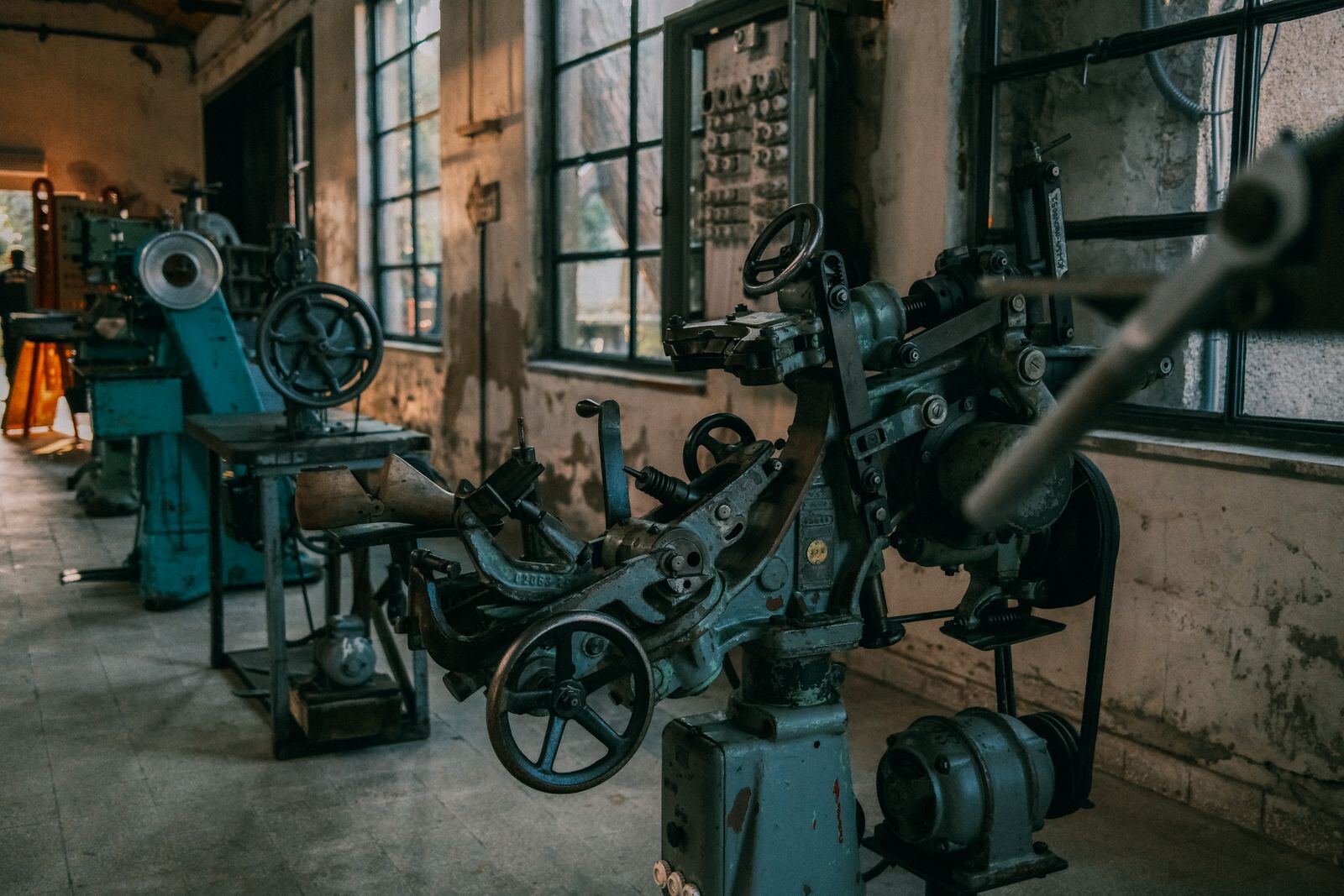
Birmingham surplus is heavy. Power presses, guillotines, plating lines, fume extraction, spot welders, the machines a pressings or finishing shop keeps because it might be needed again. Usually it is not, and by the time it is offered for sale it has been standing for a year or more.
Selling it from a working shop is a different job to clearing an empty one. We catalogue on the days you give us, run the auction online for a week or two and bring buyers in by appointment. Then we manage collection so that a press coming out of Tyseley or Witton does not stop the line next to it.
Where the kit is small, office furniture, hand tools, test gear, IT, we can collect it ourselves and sell it from our own premises. Where it is a fifty tonne press, the planning starts before the catalogue does.
When the model changes and the tooling does not
Automotive supply work runs in cycles. A new model comes in, the press tools change and the equipment set up for the last one goes quiet. That is often the point at which a surplus sale makes sense, and it helps to plan it early rather than once the space is needed.
Pressings and finishing plant is catalogued first for other Black Country and Midlands shops, and the trade in Walsall, Dudley, West Bromwich and Coventry is near enough to view in person. The sale is online and open to buyers across the UK, with export interest possible on the larger machines.
We give you an opinion of what each item is likely to make before you commit. Those are estimates and the market moves. Reserves can be set on the main machines. Anything on finance, hire purchase or lease belongs to the funder until it is settled and can only be offered with their agreement, so the paperwork is worth checking early.
Narrow roads and shared yards
The inner city estates were laid out for a different era. Access roads, yard space and shared loading areas differ from one unit to the next, so what a vehicle can do at your door is checked rather than assumed.
So we look at the site first: vehicle access, turning space, the loading bay, door sizes and the route out. Where a crane or a rigging crew is needed the catalogue says so and the buyer arranges it, or it can be arranged and charged on where that is agreed. Collection is booked in slots so two rigging crews do not meet in a yard built for one van. Working hours are agreed with you so the noise and the disruption fall when you want them.
Units at Minworth or the parks near junction 6 of the M42 are checked the same way before anything is listed. Either way our staff are on site to release lots once their invoices are paid, and nothing leaves that has not been paid for.
What these sales can include
- Machine tools and CNC equipment
- Forklifts and access platforms
- Pallet racking and shelving
- Compressors and air tools
- Welders and fabrication kit
- Vehicles and trailers
- Test and measurement equipment
- Site accommodation and containers
- Packaging and labelling machines
- Obsolete stock and components
- Office furniture and IT
- Catering and canteen equipment
Selling from a live site
Most surplus sales happen inside a business that is still trading. That changes how we work. Cataloguing is done around your shifts. Viewing is by appointment or on a single day, with visitors signed in and escorted. Collection is booked in slots so that nobody is moving a machine through the middle of a production run.
Items that are still bolted down, plumbed in or connected to services are isolated by a competent person before collection, with electrical and gas disconnection done by qualified people. Buyers arrange and pay for the removal of their lots, and they do not disconnect services themselves.
Tell us about anything that affects access: weight limits on floors, door heights, crane availability, restricted hours. It all goes in the catalogue so buyers plan the removal properly.
The surplus equipment sales page covers what counts as surplus, one sale or a standing arrangement, pricing, reserves and the buyer's premium, after the sale.
Questions about selling in Birmingham
- We share the yard with two other units. How does collection work?
By appointment, one buyer at a time. We agree a collection window with you and book each lot into a slot within it. Large machines get their own slot with the rigging crew's arrival time confirmed the day before. We tell the neighbours' contacts when the road will be blocked if you want us to. Our staff are on site for the whole window, so you do not have to be, and nothing is released without a paid invoice.
- Is a plating line worth putting in a sale, or is it scrap?
It depends on the condition of the tanks and rectifiers and on whether the line can be removed without destroying it. A working line with sound tanks is the kind of lot other finishers and dealers look at, since it can be reconfigured. A line that has been shut for years and has to be cut out is closer to scrap value, and we will tell you that. Send photographs through the form and we will give you an honest view before anything is committed.
More questions about surplus equipment
Related services
Guides
- Preparing machinery and equipment for sale
What to do before viewing day. Keep the machines that can be run safely available to demonstrate, isolate the rest, clean but do not repaint, find the tooling and manuals, and sort out access for removal.
- How used machinery is valued
Buyers pay for what a machine will do for them, less what it costs to get it out and running. This guide explains how make, hours, tooling, demand and removal cost feed a guide price, and why that price is not book value.