 Britannia Auctions
Factory and workshop clearance in Cardiff
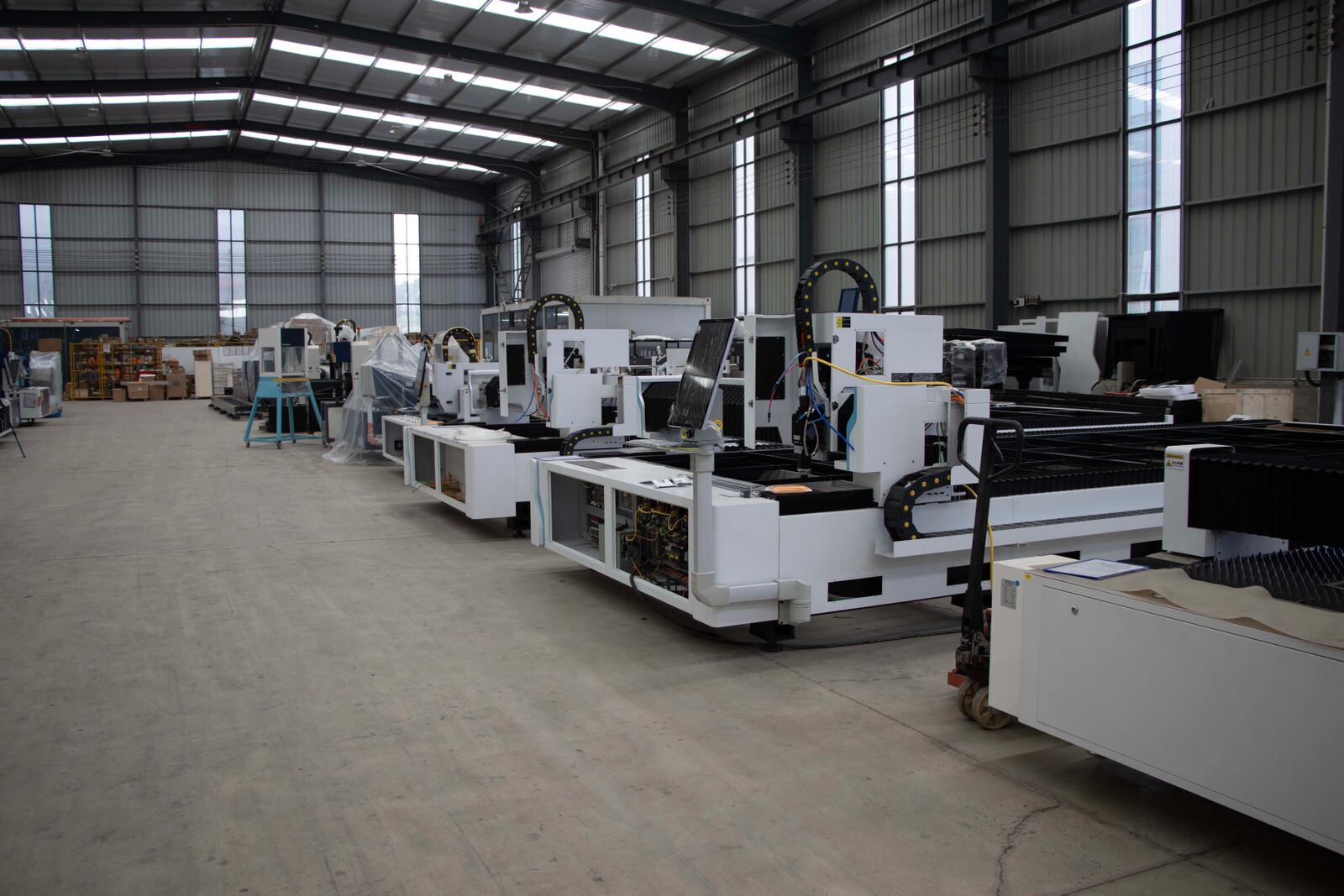
Cardiff clears in yards as often as in factories. Builders merchants, fleet operators, hauliers and plant firms on the Wentloog estates and along Lamby Way leave a depot rather than a production hall. Forklifts, telehandlers, vans, racking and a workshop with lifts and compressors inside, and outside a yard of stock, cabins, containers and skips on hard standing the landlord wants back clean.
Engineering and food and drink firms around Tremorfa, Hadfield Road and Penarth Road leave the more usual mix of machine tools, welding plant, stainless process kit and packing lines. The Bay adds studio and post production equipment, which sells to a different room of buyers altogether.
We catalogue everything with resale value and sell it in one online auction with a viewing day. Removing the rest so the premises go back empty can be arranged where agreed. Tell us what the site holds and when it has to be clear.
Depots and merchants on the flat estates at Wentloog
A depot clearance is mostly mobile lots, and that changes the collection plan. Forklifts, telehandlers, vans, trailers and pallet trucks go onto the buyer's transporter or away under their own power. Racking, cantilever racking for timber and steel, and the workshop fit out follow as dismantling lots. A vehicle on finance or lease is the funder's until the agreement is settled, so it needs their agreement, and we ask for the paperwork at the start.
On Wentloog and Capital Business Park we check the road, the turning space and the yard first, and what a lorry can do there goes in the catalogue. The A48(M) and the M4 at junction 30 put Newport, Caerphilly, Bridgend and Cwmbran a manageable drive from the viewing day, and bidding is online.
Yard residue, broken pallets, part used stock, tyres and the contents of the containers, can be cleared after collection where agreed. Steel and scrap go to the processors on the port side and the weighbridge tickets come back to you.
Studio and media equipment sells to a different room
Cameras, lenses, lighting, grip, edit suites and sound equipment from a Bay studio do not belong in the same catalogue as a forklift, and we do not sell them that way. They are lotted for the production and broadcast trade, which bids online from across the UK and Europe, with detailed photographs and serial numbers because that is what those buyers check. Studio fit out, cyc walls, lighting grids, rigging and acoustic treatment, is sold as dismantling lots, or stripped out by a contractor where agreed.
The building side is the same as any other clearance. Office furniture, IT, air conditioning and the mezzanine come out, and making good the floor is priced and agreed before the keys go back.
Timing in a media business is usually driven by the end of a production or a lease break rather than a season, so the plan starts from that date and the auction close is placed to leave the strip out room.
What these sales can include
- Production machinery
- Machine tools and tooling
- Pallet racking and mezzanines
- Compressors and air receivers
- Extraction and filtration systems
- Overhead cranes and hoists
- Forklifts and pallet trucks
- Workbenches, cabinets and stores
- Electrical switchgear
- Office furniture and IT
- Scrap metal and redundant stock
- Vans and site vehicles
The auction stage
We catalogue every saleable item on site, from the main machines down to grouped lots of hand tools and stores. The sale runs online as a timed auction with a viewing day at the premises. The buyer pays the hammer price plus the premium, with VAT charged where it applies and shown separately, and collects during an agreed window.
Lots are offered as seen under the auction terms, and buyers are expected to inspect before bidding. They arrange and pay for dismantling and removal. Where an item must be taken down carefully, such as a mezzanine or an overhead crane, the catalogue says so and it is part of the lot.
You keep the premises accessible, safe and powered until collection ends. We attend to release lots. The more that leaves through the auction, the less there is to clear at cost afterwards.
The factory and workshop clearance page covers clearance is a different job from a sale, everything that has to come out, the clearance stage, timescales and what slows them down, when a clearance is the wrong approach.
Questions about selling in Cardiff
- We are a builders merchant with a lot of stock left. Does stock go in the same sale?
It can. Bagged and palletised stock, timber, sheet materials, ironmongery and plumbing goods go in grouped lots aimed at other merchants and the building trade. How stock is lotted makes a difference to what it is worth, so we spend a day sorting and counting it by type before the photographs are taken. Anything past its date or damaged is separated and cleared with the residue rather than left in the catalogue to put buyers off the good lots.
- Our yard is on Lamby Way and the landlord wants the hard standing clean. Who does that?
It can be arranged where agreed. After collection a contractor removes the containers, cabins, skips and anything unsold, then the yard is swept and any spillage or staining dealt with to the standard agreed with the landlord. Oil interceptors and fuel tanks are emptied and certified clean by a licensed contractor before they are lifted or left. Settling the finish with the landlord at the start keeps the final inspection simple, and where it is agreed the cost is set against the proceeds.
More questions about factory clearance
Related services
Guides
- How a commercial asset auction works
A stage by stage account of an online timed auction for business assets. It covers the asset schedule, cataloguing, viewing days, how bidding closes, buyer's premium and VAT, collection and how you get paid.
- Preparing machinery and equipment for sale
What to do before viewing day. Keep the machines that can be run safely available to demonstrate, isolate the rest, clean but do not repaint, find the tooling and manuals, and sort out access for removal.