 Britannia Auctions
Factory and workshop clearance in Derby
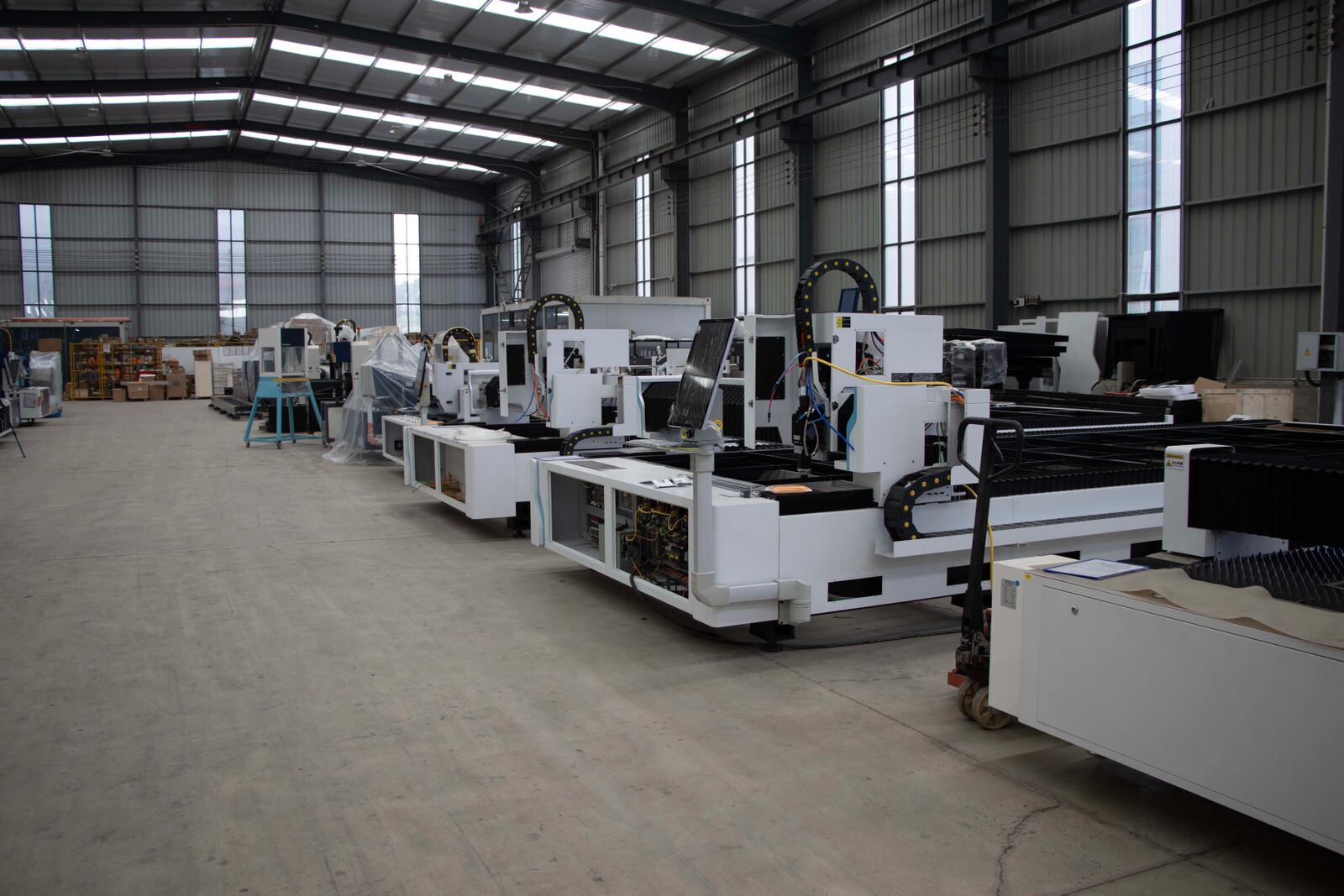
A Derby subcontract shop often closes because a contract has ended. The supply chain around the big aerospace and rail plants is deep, and a machining or fabrication firm on Ascot Drive or Sinfin Lane can be working for a handful of customers. When one goes, the unit has to be cleared, and the lease may not have long left to run.
What these shops hold is good. CNC machining centres and lathes, grinders, coordinate measuring machines, tool presetters, a tool room full of tooling and fixtures, an overhead crane. That is plant with a market across the UK, and we measure the yard and the loading door when we first visit to settle how it leaves.
We sell it by online auction with a viewing day, and removing what is fixed or unsold can be arranged where agreed. Tell us the address and the date the landlord expects the keys.
Machining shops and what they hold
A precision engineering clearance sells in a different order from a general factory. The CNC machines are the value, and they have a UK wide and export market, so the catalogue gives each one its full specification, control, hours and tooling. Inspection equipment, CMMs, height gauges, surface tables and gauge blocks, sells to the same trade. Tooling is grouped by type into lots sized for a small shop, and Belper, Ashbourne, Ilkeston and Burton upon Trent are close enough to view in person.
After that come the compressors, the coolant system, the extraction and the racking, then the offices and the scrap.
A machine on finance or lease stays with the funder until the agreement is settled, so it needs their agreement, and where they agree the settlement is usually paid from the proceeds. We ask for the agreements at the first meeting so the sale is not held up. Customer owned tooling and fixtures are set aside and returned, not catalogued.
The end of a contract is a deadline too
A Derby clearance usually has two dates on it. One is the day the last part ships to the customer. The other is the day the landlord wants the unit back. The gap between them is the clearance, and it is often shorter than anyone planned.
We can catalogue while the last job is still running, so the auction is ready to open the day production stops. The viewing day is held with the machines cleaned down, and how long the bidding and collection window run depends on how many lots there are and the access. Plant on foundations and an overhead crane are sequenced with you, and whether the crane can go at all is a question for your lease.
On the southern estates, Sinfin Commercial Park and Raynesway among them, we check whether the yard takes a low loader and a crane on the same morning, because that sets how the heavy lots leave. What usually takes the time is the making good, priced before the sale where your lease calls for it.
What these sales can include
- Production machinery
- Machine tools and tooling
- Pallet racking and mezzanines
- Compressors and air receivers
- Extraction and filtration systems
- Overhead cranes and hoists
- Forklifts and pallet trucks
- Workbenches, cabinets and stores
- Electrical switchgear
- Office furniture and IT
- Scrap metal and redundant stock
- Vans and site vehicles
The auction stage
We catalogue every saleable item on site, from the main machines down to grouped lots of hand tools and stores. The sale runs online as a timed auction with a viewing day at the premises. The buyer pays the hammer price plus the premium, with VAT charged where it applies and shown separately, and collects during an agreed window.
Lots are offered as seen under the auction terms, and buyers are expected to inspect before bidding. They arrange and pay for dismantling and removal. Where an item must be taken down carefully, such as a mezzanine or an overhead crane, the catalogue says so and it is part of the lot.
You keep the premises accessible, safe and powered until collection ends. We attend to release lots. The more that leaves through the auction, the less there is to clear at cost afterwards.
The factory and workshop clearance page covers clearance is a different job from a sale, everything that has to come out, the clearance stage, timescales and what slows them down, when a clearance is the wrong approach.
Questions about selling in Derby
- Some of our CNC machines are on finance. Can they still be in the sale?
Yes, with the funder's agreement. A machine on finance belongs to them until it is settled, so we contact the finance company, ask for the settlement figure and get written consent before the machine is catalogued. Where they agree, the settlement is usually paid from the proceeds. If the figure is close to what the machine might make, we say so, and you can decide whether to include it or hand it back. It is best to give us the agreements early.
- The unit on Sinfin Lane has to go back with the floor made good. Do you handle that?
It can be arranged where agreed. After the auction lots are collected, a strip out contractor removes the racking, cable tray, compressed air lines and any machine bases, grinds off the floor fixings and fills the holes. Where the lease asks for more, such as a resin floor or redecoration, we get a price before the sale so you know the cost. The landlord's schedule is the guide, and it is worth having it before the plan is set.
More questions about factory clearance
Related services
Guides
- How a commercial asset auction works
A stage by stage account of an online timed auction for business assets. It covers the asset schedule, cataloguing, viewing days, how bidding closes, buyer's premium and VAT, collection and how you get paid.
- Preparing machinery and equipment for sale
What to do before viewing day. Keep the machines that can be run safely available to demonstrate, isolate the rest, clean but do not repaint, find the tooling and manuals, and sort out access for removal.