 Britannia Auctions
Factory and workshop clearance in Coventry
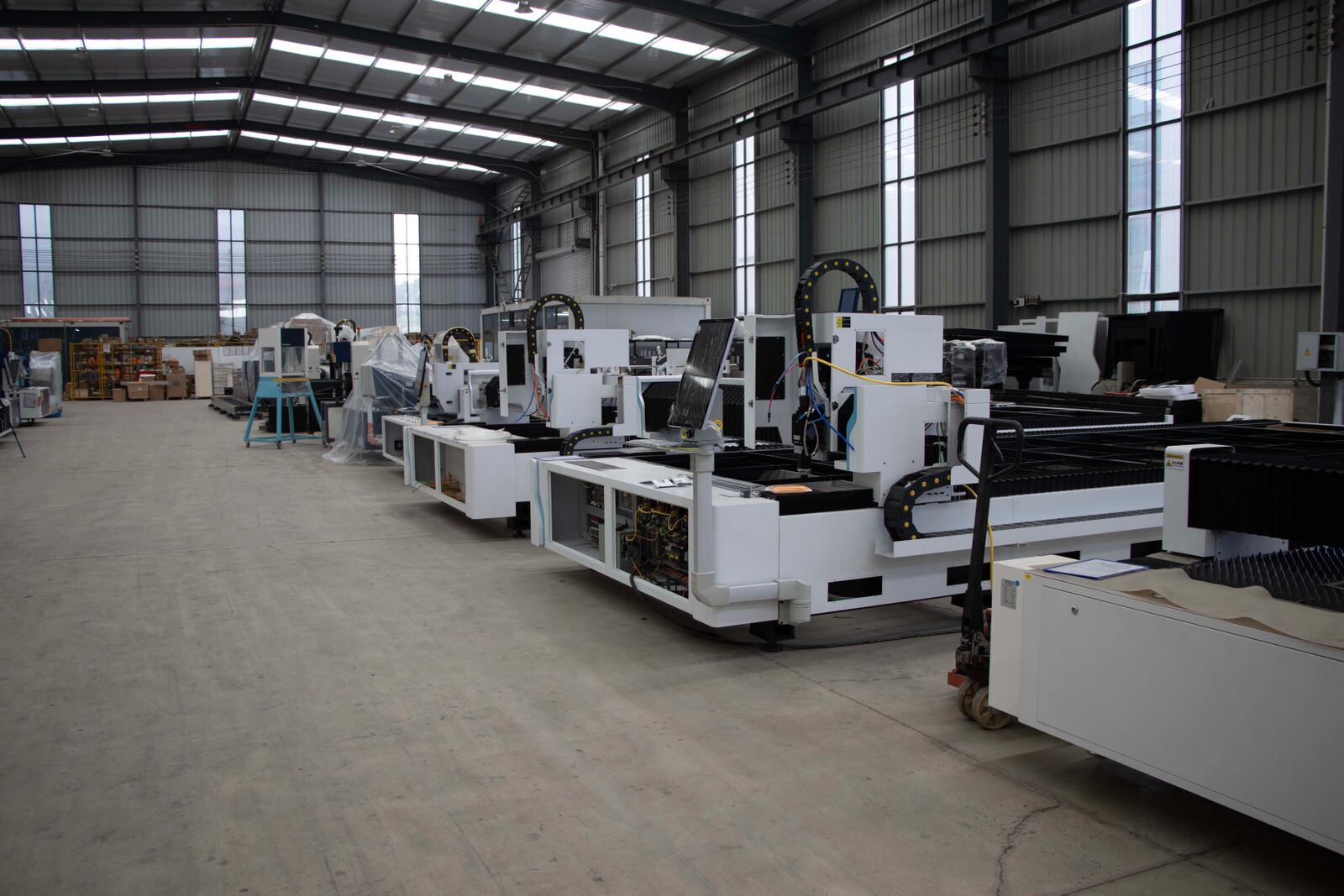
Coventry's smaller units are full of the kit that supports the vehicle plants. Tool rooms with wire eroders, grinders, jig borers and hardening ovens. Press tool stores that run to hundreds of tonnes of steel. Welding and assembly bays with fixtures built for one customer's part. When a supplier loses a programme, or the shift to electric vehicles and battery packs makes their process redundant, the unit has to be cleared and the lease handed back.
On the estates at Binley and Bayton Road at Exhall we measure the yard, the turning space and the loading door before the collection plan is set, and what the site will take goes in the catalogue. The auction is online and open to bidders well beyond the area, and the trade at Nuneaton, Rugby, Solihull and Birmingham is near enough to get to a viewing day.
The harder question is what has value to anyone other than the customer who ordered it. We answer that on the first visit. Describe the site and your date through the contact form.
Tooling shops behind the vehicle plants
The machine tools in a Coventry tool room have a broad market. Wire and die sink eroders, jig grinders, surface grinders, CNC mills and the inspection kit that goes with them suit the trade across the UK and export buyers, and one online sale reaches all of them at once. The viewing day is open to the West Midlands supply chain on the doorstep.
Press tools and dies are different. A tool built for one customer's panel is worth its weight in steel to everyone except that customer, and the customer often owns it. We separate customer owned tooling when we walk the site, arrange its return, and lot the rest as scrap or as bulk tool steel where the grade justifies it.
Spot welders, robots, conveyors and assembly fixtures follow the same rule. The general purpose equipment sells. The product specific fixtures are stripped for their components and the frames weighed in.
Strip out to shell condition on a Coventry estate
Where a lease asks for the unit back in shell condition, that means more than sweeping up. Compressed air ring mains, extraction, busbar trunking, mezzanines, partition offices and the paint booth come out, and the floor is made good where the machines were bolted down. What is actually required is read off your lease and the landlord's schedule, not assumed.
We plan that stage before the auction opens. Items being sold in place are catalogued with dismantling terms, so the buyer takes them down. What nobody buys can be removed by a contractor where agreed, and the scrap weighed in against the cost.
Collection is planned from whwhen we first visit shows: the yard, the door, the floor levels and the run out to the M6 and the A45. Whatever that leaves in the timetable goes to the strip out, which is where an underplanned clearance runs past its handover date.
What these sales can include
- Production machinery
- Machine tools and tooling
- Pallet racking and mezzanines
- Compressors and air receivers
- Extraction and filtration systems
- Overhead cranes and hoists
- Forklifts and pallet trucks
- Workbenches, cabinets and stores
- Electrical switchgear
- Office furniture and IT
- Scrap metal and redundant stock
- Vans and site vehicles
The auction stage
We catalogue every saleable item on site, from the main machines down to grouped lots of hand tools and stores. The sale runs online as a timed auction with a viewing day at the premises. The buyer pays the hammer price plus the premium, with VAT charged where it applies and shown separately, and collects during an agreed window.
Lots are offered as seen under the auction terms, and buyers are expected to inspect before bidding. They arrange and pay for dismantling and removal. Where an item must be taken down carefully, such as a mezzanine or an overhead crane, the catalogue says so and it is part of the lot.
You keep the premises accessible, safe and powered until collection ends. We attend to release lots. The more that leaves through the auction, the less there is to clear at cost afterwards.
The factory and workshop clearance page covers clearance is a different job from a sale, everything that has to come out, the clearance stage, timescales and what slows them down, when a clearance is the wrong approach.
Questions about selling in Coventry
- We hold tooling that belongs to our customers. What happens to that?
It goes back to them, and it is never catalogued. On the first visit we ask you to identify customer owned tools, fixtures, gauges and patterns, and we tag and set them aside. You notify the customers, and they collect or we arrange transport at their cost. Anything unclaimed by a date you set is treated as yours, but we would rather have that in writing from the customer than assume it. Getting this sorted early avoids an argument on collection day.
- Our process is redundant because of the move to electric vehicles. Is the plant still worth selling?
Usually, yes. A machine is rarely specific to combustion engines even if the part it made was. CNC mills, grinders, presses and welding equipment suit firms making other things, in the Midlands and across the UK. What has lost its market is the product specific tooling and fixturing, which goes for scrap or is stripped for components. The general machine tools are worth cataloguing carefully, and we say what interest we would expect and on what the sale might cover before you commit.
More questions about factory clearance
Related services
Guides
- How a commercial asset auction works
A stage by stage account of an online timed auction for business assets. It covers the asset schedule, cataloguing, viewing days, how bidding closes, buyer's premium and VAT, collection and how you get paid.
- Preparing machinery and equipment for sale
What to do before viewing day. Keep the machines that can be run safely available to demonstrate, isolate the rest, clean but do not repaint, find the tooling and manuals, and sort out access for removal.