 Britannia Auctions
Factory and workshop clearance in Wolverhampton
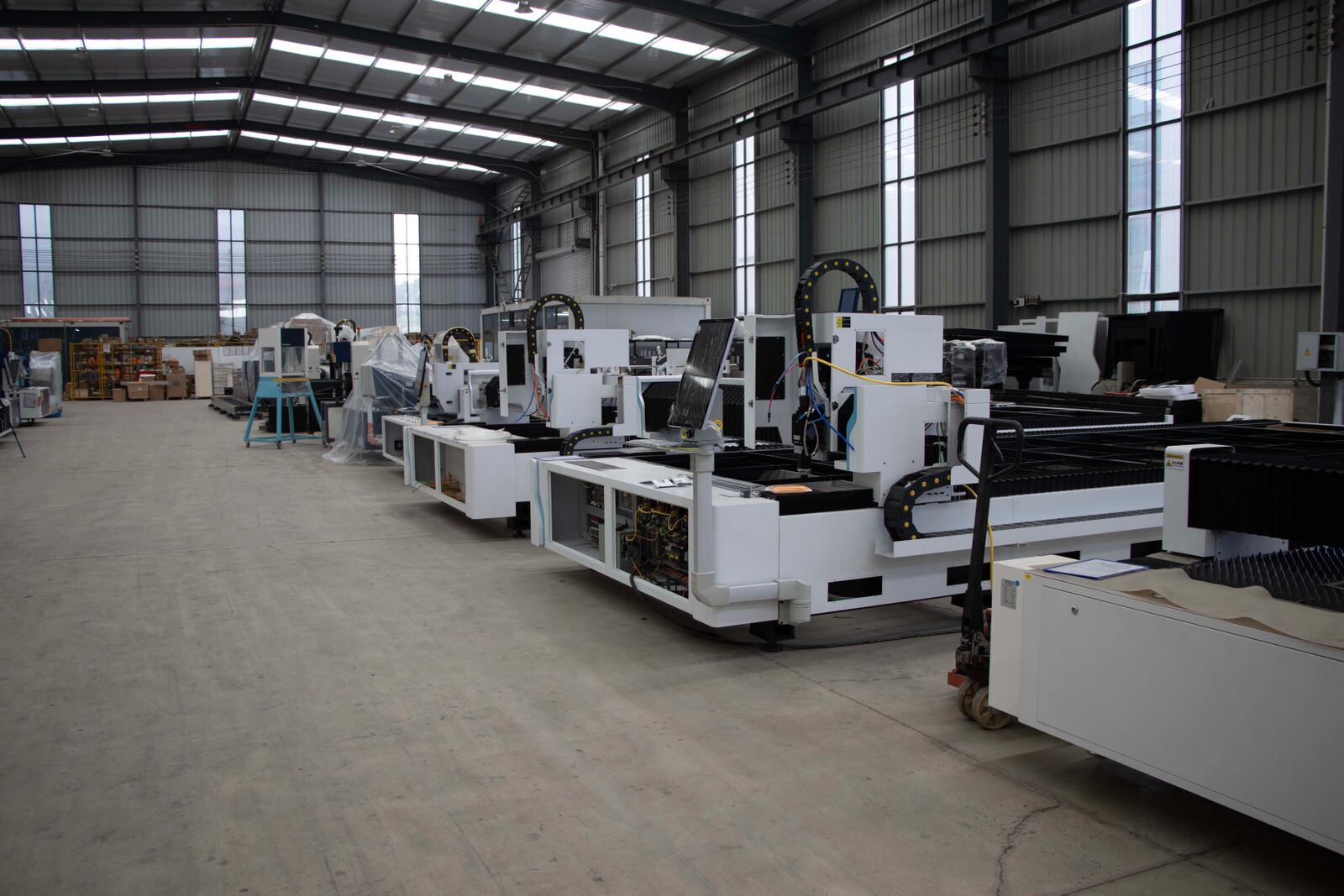
A Black Country works tends to be older than the plant inside it. A pressings or fabrication shop in Bilston or Willenhall may have been on the same site for generations, with presses on foundations, a first floor tool room reached by a goods lift, a yard shared with the neighbours and an access road built for horses. The machinery is good and there is a market for it. Getting it out is the job.
We sell everything with value by online auction, with a viewing day at the works, and removing what is left can be arranged where agreed, so the building goes back to the landlord empty. For a business retiring or closing on one of the older estates, the plan starts with the road, the yard, the lift and the floor.
The newer sites at i54 near the M54 are a different matter. Tell us which you have.
Pressings and fabrication shops on the older estates
Power presses, press brakes, guillotines, rolls and welding plant are the core of a Wolverhampton clearance, and what they make turns on condition, capacity and how hard they are to remove. The metalworking trade across the West Midlands, at Walsall, Dudley, Cannock and West Bromwich, is close enough to come and look, and the sale is online and open to the rest of the UK and abroad. Tooling, dies, jigs and the contents of the tool room sell in grouped lots.
Aerospace and automotive suppliers add CNC machining and inspection equipment, which has its own buyers and gets a fuller catalogue entry.
Then there is the rest. Bar and sheet stock is lotted by grade because it makes more than scrap. Racking, stillages, workbenches and cabinets sell in bulk. Compressors, extraction, pipework and the electrical distribution come out after the lots where agreed, and the scrap is weighed in against the cost. On an old site that tonnage is worth checking rather than guessing.
Narrow estates and heavy loads
The estates at Wednesfield and Willenhall, Planetary and Wednesfield Way among them, were built around lorry movements, while the older works around Bilston and Springvale were not. Either way we measure the route when we first visit, then work out how each heavy lot leaves. Moving a press to the door for a hiab on a booked morning is one answer. Where the yard is too small even for that, the lot can go to our own premises and be sold from there.
A first floor workshop is a rigging job before it is anything else. The goods lift, if it works, sets the size of what goes down in one piece, and the rest is stripped and lowered or cut for scrap.
Buyers are told the collection method for each lot in the catalogue, so they bid knowing what they are taking on, and they pay for the lift on their own lots.
What these sales can include
- Production machinery
- Machine tools and tooling
- Pallet racking and mezzanines
- Compressors and air receivers
- Extraction and filtration systems
- Overhead cranes and hoists
- Forklifts and pallet trucks
- Workbenches, cabinets and stores
- Electrical switchgear
- Office furniture and IT
- Scrap metal and redundant stock
- Vans and site vehicles
The auction stage
We catalogue every saleable item on site, from the main machines down to grouped lots of hand tools and stores. The sale runs online as a timed auction with a viewing day at the premises. The buyer pays the hammer price plus the premium, with VAT charged where it applies and shown separately, and collects during an agreed window.
Lots are offered as seen under the auction terms, and buyers are expected to inspect before bidding. They arrange and pay for dismantling and removal. Where an item must be taken down carefully, such as a mezzanine or an overhead crane, the catalogue says so and it is part of the lot.
You keep the premises accessible, safe and powered until collection ends. We attend to release lots. The more that leaves through the auction, the less there is to clear at cost afterwards.
The factory and workshop clearance page covers clearance is a different job from a sale, everything that has to come out, the clearance stage, timescales and what slows them down, when a clearance is the wrong approach.
Questions about selling in Wolverhampton
- Our works is old with a first floor machine shop. How do you get the machines down?
It depends on the weight and dimensions of each machine and the route out. Where the goods lift is rated for it, a machine may come down whole with suitable handling equipment. Larger items may be stripped to their main castings and lowered through a loading door, or cut and weighed in where the value does not justify the work. We assess that lot by lot at the site visit and write the removal terms into the catalogue. Buyers arrange and cover the cost of removal of their own lots.
- Our presses are old and worn. Are they worth cataloguing or should they go for scrap?
Catalogue them. An old press in working order still has a market in the pressings trade, and even a worn one can interest dealers who rebuild them. The auction lets the market decide, and if a press does not reach its reserve we can offer it by private treaty before it is cut. A press that is seized or has a cracked frame is scrap, and we say so. Including a press costs little, and scrapping one that would have sold costs a good deal more.
More questions about factory clearance
Related services
Guides
- How a commercial asset auction works
A stage by stage account of an online timed auction for business assets. It covers the asset schedule, cataloguing, viewing days, how bidding closes, buyer's premium and VAT, collection and how you get paid.
- Preparing machinery and equipment for sale
What to do before viewing day. Keep the machines that can be run safely available to demonstrate, isolate the rest, clean but do not repaint, find the tooling and manuals, and sort out access for removal.