 Britannia Auctions
Factory and workshop clearance in Middlesbrough
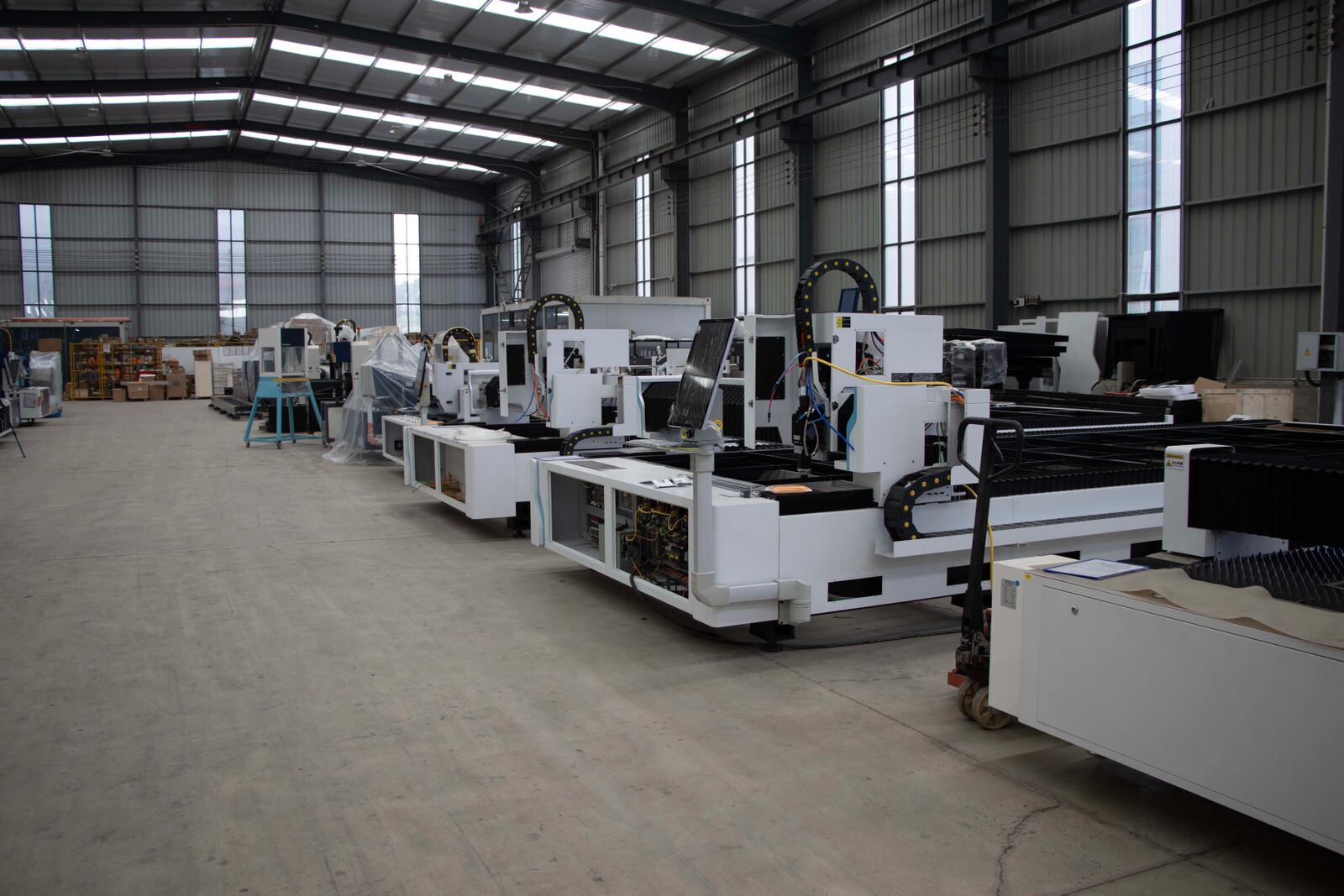
A fabrication shop on Riverside Park or at Cargo Fleet is built around big kit. Plate rolls, press brakes, guillotines, column drills, welding sets by the dozen and an overhead crane running the length of the bay. The yard outside holds a fleet of site vehicles, welding bays, lifting gear and steel stock. When the work stops, all of it has to leave and the hard standing has to be handed back clear.
Teesside suits that kind of job. The riverside estates were built around heavy plant, so there is usually room to work, though where a crane and a low loader can stand is measured when we first visit. Scrap processors are a short drive away, and the fabrication trade at Stockton, Hartlepool, Darlington and Redcar is a short run from a viewing day.
We sell the plant by timed online auction, and managing the removal afterwards can be arranged where agreed. Describe the site and your handover date through the form.
Fabrication and process plant with buyers on the doorstep
Steel fabrication is the core of what gets cleared here. Press brakes, rolls, plasma and oxy tables, sawing lines and welding plant suit other fabricators, and the trade between the Tees and the A1(M) is near enough to get to a viewing day. Offshore and process firms leave test rigs, hydraulic power packs, pipe bending and pressure testing equipment, which has a narrower market that bidding online is better placed to reach.
Overhead cranes are the item to settle early. If the lease lets you take them, they sell in working order with the buyer responsible for dismantling under a competent contractor. If they are the landlord's, they stay and the strip out works around them.
Steel stock is lotted by section and grade, so a fabricator can bid on lengths they can use rather than on scrap weight. What is left goes over the weighbridge.
Clearing the yard as well as the shed
Clearing a Teesside yard is as much about the outside as the inside. Skips, cabins, containers, welding bays, gas bottle cages, steel racks and site vehicles cover the hard standing, and the landlord wants that clear as well as the building. We catalogue the yard as a set of lots with their own collection instructions so a buyer knows they are bringing a hiab, not a van.
Access is checked before the plan is set. At Riverside Park and Skippers Lane we confirm what the road, the gate and the hard standing give an articulated lorry or a low loader, and the A66 and A19 keep the run out to Yorkshire and the north east short.
The residue matters here because scrap processing is a local trade. Where clearing it is agreed, we settle the weighbridge, get tickets for every load and set the scrap value against the strip out cost. On a fabrication site that figure is worth checking rather than guessing.
What these sales can include
- Production machinery
- Machine tools and tooling
- Pallet racking and mezzanines
- Compressors and air receivers
- Extraction and filtration systems
- Overhead cranes and hoists
- Forklifts and pallet trucks
- Workbenches, cabinets and stores
- Electrical switchgear
- Office furniture and IT
- Scrap metal and redundant stock
- Vans and site vehicles
The auction stage
We catalogue every saleable item on site, from the main machines down to grouped lots of hand tools and stores. The sale runs online as a timed auction with a viewing day at the premises. The buyer pays the hammer price plus the premium, with VAT charged where it applies and shown separately, and collects during an agreed window.
Lots are offered as seen under the auction terms, and buyers are expected to inspect before bidding. They arrange and pay for dismantling and removal. Where an item must be taken down carefully, such as a mezzanine or an overhead crane, the catalogue says so and it is part of the lot.
You keep the premises accessible, safe and powered until collection ends. We attend to release lots. The more that leaves through the auction, the less there is to clear at cost afterwards.
The factory and workshop clearance page covers clearance is a different job from a sale, everything that has to come out, the clearance stage, timescales and what slows them down, when a clearance is the wrong approach.
Questions about selling in Middlesbrough
- We have gas bottles, oils and chemicals left in the shop. Who deals with those?
They are planned in before the sale opens rather than found afterwards, and the work can be arranged where agreed. Gas bottles go back to the supplier or are collected by a licensed carrier. Hydraulic oil, cutting fluid, paint and chemicals need a licensed waste contractor and the consignment paperwork. Where a process plant has vessels or pipework with residue, a cleaning contractor certifies them empty before a buyer or a scrap firm takes them. The cost is quoted before the sale, and where it is agreed it is set against the proceeds.
- Would a buyer from further away really come for a fabrication shop on Teesside?
They do not have to. Bidding is online and open nationally and to export buyers, and fabrication kit is straightforward to describe and photograph, which is what a distant bidder is working from. The trade at Stockton, Hartlepool, Darlington and Redcar is close enough to inspect on the viewing day. For anyone further off, the A66 to the A1(M) keeps the haulage cost down, and that cost is part of what any bidder weighs up.
More questions about factory clearance
Related services
Guides
- How a commercial asset auction works
A stage by stage account of an online timed auction for business assets. It covers the asset schedule, cataloguing, viewing days, how bidding closes, buyer's premium and VAT, collection and how you get paid.
- Preparing machinery and equipment for sale
What to do before viewing day. Keep the machines that can be run safely available to demonstrate, isolate the rest, clean but do not repaint, find the tooling and manuals, and sort out access for removal.