 Britannia Auctions
Factory and workshop clearance in Newcastle upon Tyne
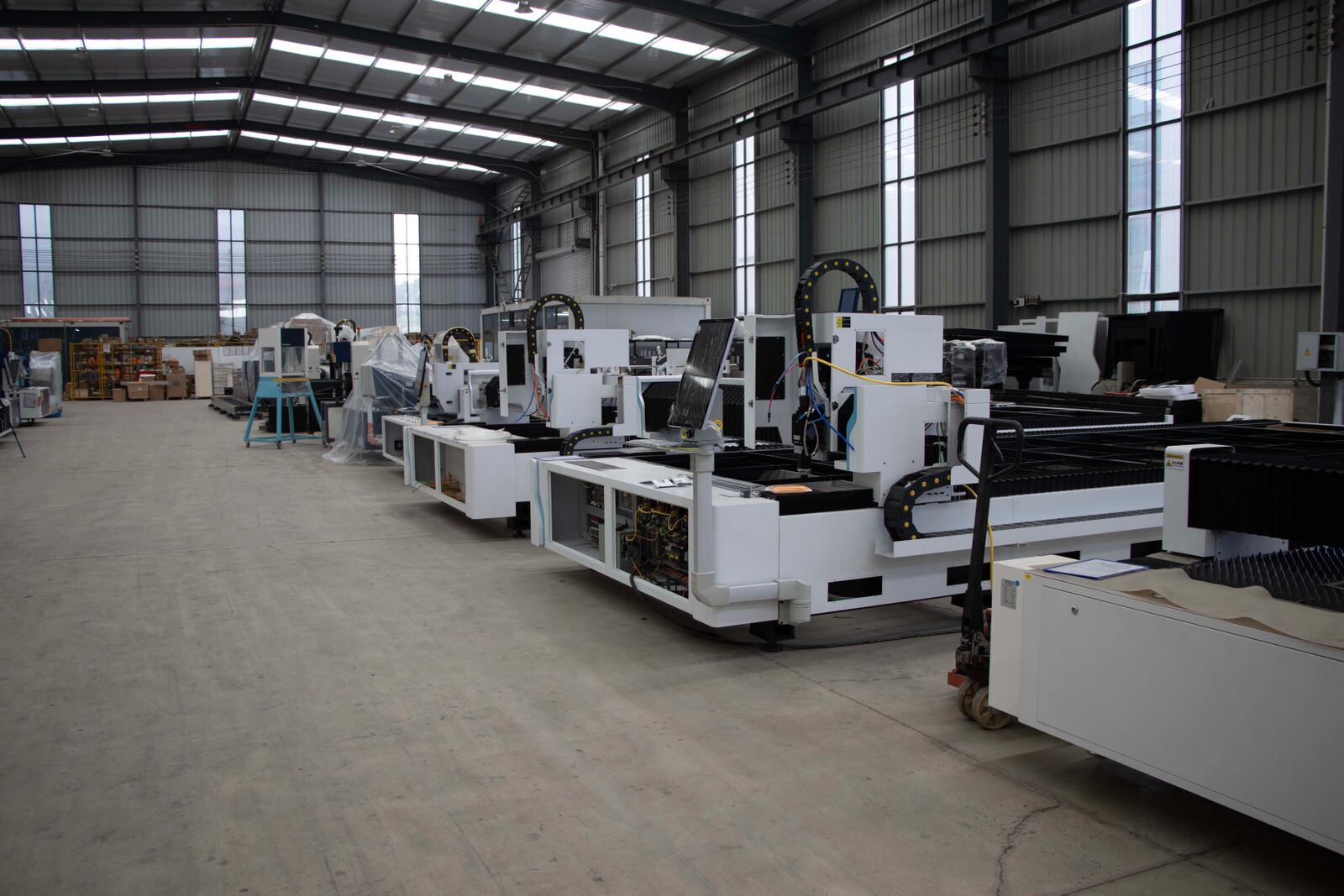
Along the Tyne the plant is big and built for the sea. Fabrication shops at Walker and Newburn hold plate rolls, press brakes, welding positioners and overhead cranes. Machining and test facilities for offshore and subsea work hold large lathes, borers, pressure test rigs and the tanks that go with them. When a contract ends or a yard closes, the clearance is a heavy lifting job first.
Away from the river, on Benton Square and across at Team Valley, the units are lighter, with plant hire workshops, printers, food producers and distribution firms whose clearances go quicker.
We sell everything with a market by online auction, and removing the rest can be arranged where agreed, so the site goes back empty. Describe the site and your deadline through the contact form.
Fabrication and test plant on the riverside
Heavy fabrication kit has a market that runs well beyond the north east. Plate rolls, large press brakes, profile cutters, column and boom welders and positioners suit yards and fabricators across the UK and export buyers, and one online sale reaches them all at once. Subsea test equipment, pressure vessels, winches and hyperbaric chambers have a much narrower market, so the catalogue and the inspection time matter more on those lots.
Overhead cranes are the fixture that matters most on these sites. If the lease lets them go, they sell, and the buyer dismantles them under a competent contractor. If not, they stay and the strip out works around them.
The riverside roads at Walker are narrow in places, so the width, the gate and the standing for a crane are measured before the catalogue is written. Depending on what that shows, the biggest lots may be moved to the door and lifted on a booked morning, or taken out by water where the Port of Tyne allows. The trade at Wallsend, North Shields, South Shields and Gateshead is close enough to view in person.
Lighter units and the buyers who come for them
A clearance on Benton Square, at Kingston Park or on Team Valley is a different job. The lots are machine tools, workshop equipment, plant hire fleet, print and packaging machinery, racking and office furniture, and what an articulated lorry can reach is confirmed when we walk the site. A collection window of a few days is usually enough for lots like these, with the strip out following where agreed.
The trade at Cramlington, Blyth, Morpeth and Durham is an hour away on the A1 Western Bypass and the A19, so a viewing day is easy to reach. The sale is online and open to the rest of the UK for the specialist lots.
What slows these clearances is the same as anywhere. Compressed air lines, extraction, a mezzanine floor and the electrical distribution come out after the lots, and the lease decides how far the making good has to go. We get that priced before the auction opens so the account has no surprises.
What these sales can include
- Production machinery
- Machine tools and tooling
- Pallet racking and mezzanines
- Compressors and air receivers
- Extraction and filtration systems
- Overhead cranes and hoists
- Forklifts and pallet trucks
- Workbenches, cabinets and stores
- Electrical switchgear
- Office furniture and IT
- Scrap metal and redundant stock
- Vans and site vehicles
The auction stage
We catalogue every saleable item on site, from the main machines down to grouped lots of hand tools and stores. The sale runs online as a timed auction with a viewing day at the premises. The buyer pays the hammer price plus the premium, with VAT charged where it applies and shown separately, and collects during an agreed window.
Lots are offered as seen under the auction terms, and buyers are expected to inspect before bidding. They arrange and pay for dismantling and removal. Where an item must be taken down carefully, such as a mezzanine or an overhead crane, the catalogue says so and it is part of the lot.
You keep the premises accessible, safe and powered until collection ends. We attend to release lots. The more that leaves through the auction, the less there is to clear at cost afterwards.
The factory and workshop clearance page covers clearance is a different job from a sale, everything that has to come out, the clearance stage, timescales and what slows them down, when a clearance is the wrong approach.
Questions about selling in Newcastle upon Tyne
- Our fabrication shop at Walker has a narrow access road. Can the heavy plant come out?
Yes, with planning. We walk the route when we first visit and work out which lots need a crane and which would go on a rigid lorry with a hiab. Where a road has to be closed for a morning, we arrange that. The largest items can be moved to the door before collection day so the lift is quick. Buyers organise and pay for the removal of their own lots, and the catalogue tells them the method before they bid.
- We have subsea test rigs and pressure vessels. Do they sell or are they scrap?
More often than owners expect, they are worth offering. Pressure test rigs, hyperbaric chambers and large vessels have a market in the offshore, defence, research and process sectors, and bids are placed online and the sale is open to buyers from any part of the country and abroad. The catalogue needs the design pressure, the manufacturer's plate, the test certificates and the last inspection date to get the best from them. Where a vessel is out of certification and the cost of recertifying is too high, it goes for scrap, and the stainless and alloy content makes that worth weighing in properly.
More questions about factory clearance
Related services
Guides
- How a commercial asset auction works
A stage by stage account of an online timed auction for business assets. It covers the asset schedule, cataloguing, viewing days, how bidding closes, buyer's premium and VAT, collection and how you get paid.
- Preparing machinery and equipment for sale
What to do before viewing day. Keep the machines that can be run safely available to demonstrate, isolate the rest, clean but do not repaint, find the tooling and manuals, and sort out access for removal.