 Britannia Auctions
Factory and workshop clearance in Plymouth
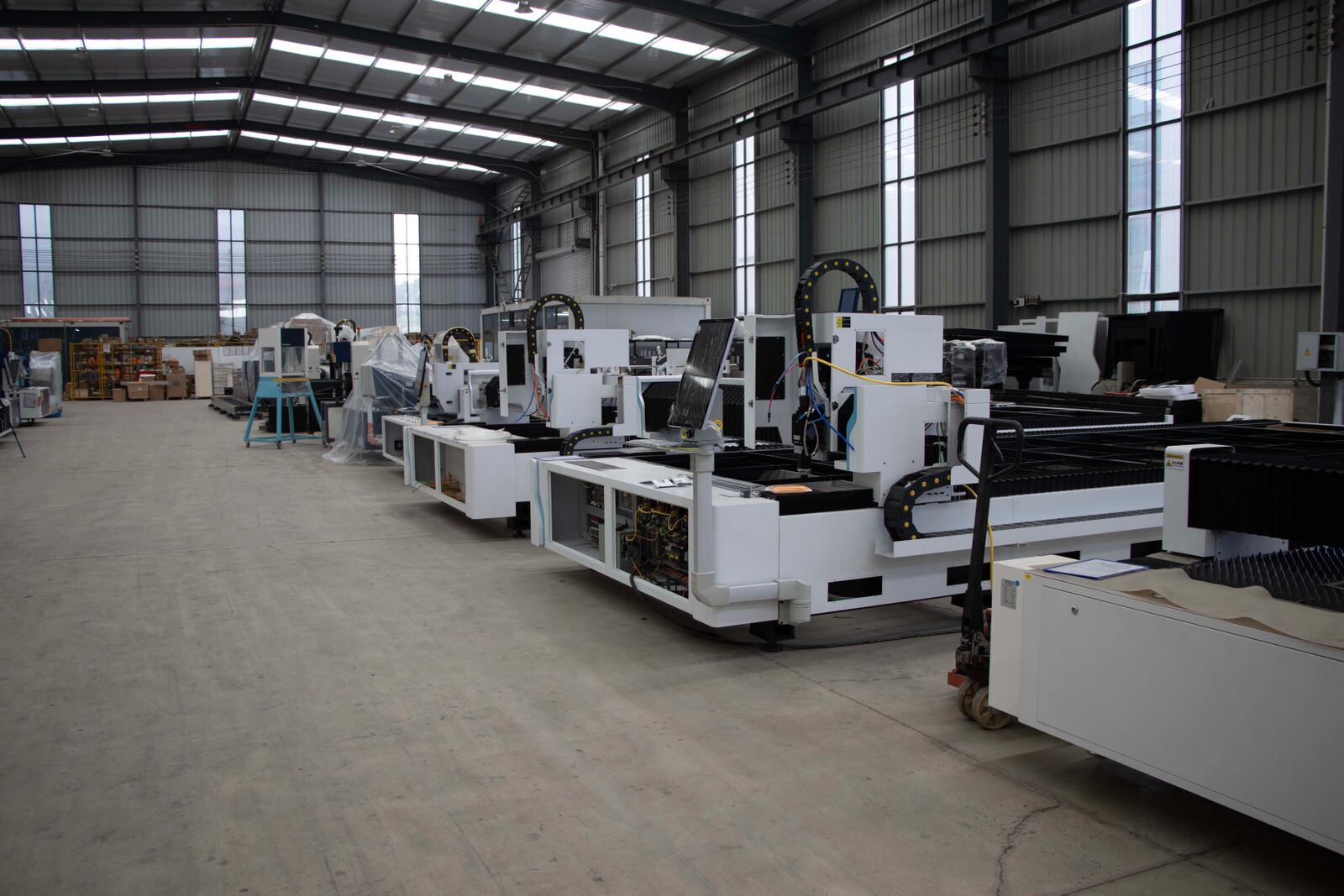
Plymouth is at the end of the road for most of the country's hauliers. The A38 brings a low loader from the M5 at Exeter, but the drive from the Midlands is a full day and a buyer's lorry costs accordingly, so we plan around it. Heavy lots are grouped for collection, and buyers are told the access before they bid. Where a site near the water will not take a lorry at all, we collect ourselves and sell from our own premises.
The work comes from the sea and the estates. Marine engineers and ship repair firms along the Tamar leave welding plant, machine tools, cranes and cradles. Fish processors at Sutton Harbour leave cold plant and stainless lines. Manufacturing and medical device firms at Estover and Langage leave clean production areas and test equipment.
We sell it all in one online timed auction, and the strip out can be arranged to the date where agreed.
Cold plant and filleting lines from the harbour
A seafood processing unit clears cold. Blast freezers, ice machines, cold rooms, filleting and grading lines, stainless tables, vacuum packers and the scales all have a market: processors along the coast, fishmongers, caterers and dealers. Kingsbridge to Liskeard is near enough to attend the viewing day, and bidding is online for the rest. Refrigeration plant goes through refrigerant recovery first, done by a certified engineer with the certificate attached to the lot, and only then is it moved.
Cleanliness counts. Food contact equipment is judged on its condition as presented, so kit washed down and dried before the viewing shows better than kit left as it came off the last shift. We build a cleaning day into the plan. Ice machines and cold room panels are dismantling lots with the buyer taking them down.
At Sutton Harbour and the older waterfront units the access is measured first: the lane width, the turning space and the door. What size of vehicle the site takes goes in the catalogue.
Distance from the M5 and how the plan absorbs it
Transport cost is part of what any bidder weighs up, and from Birmingham or Leeds it weighs more here. Heavy lots are grouped so one low loader can clear several on a trip, and collection slots run for a full day rather than a morning. The catalogue tells buyers what the road is like from the A38 to the door. For dockyard workshops and the marine sites on the Tamar, where the yard was built for boats rather than lorries, we check the route before the catalogue is photographed.
The mid weight items are the ones the trade nearby is best placed for. Engineers at Saltash, Torpoint, Ivybridge and Tavistock are close enough to reach a viewing day for the welding sets, machine tools, compressors and lifting gear.
Ship repair work follows the vessel's programme, so a workshop that supported it usually closes when the last job leaves the dock. We work back from that date.
What these sales can include
- Production machinery
- Machine tools and tooling
- Pallet racking and mezzanines
- Compressors and air receivers
- Extraction and filtration systems
- Overhead cranes and hoists
- Forklifts and pallet trucks
- Workbenches, cabinets and stores
- Electrical switchgear
- Office furniture and IT
- Scrap metal and redundant stock
- Vans and site vehicles
The auction stage
We catalogue every saleable item on site, from the main machines down to grouped lots of hand tools and stores. The sale runs online as a timed auction with a viewing day at the premises. The buyer pays the hammer price plus the premium, with VAT charged where it applies and shown separately, and collects during an agreed window.
Lots are offered as seen under the auction terms, and buyers are expected to inspect before bidding. They arrange and pay for dismantling and removal. Where an item must be taken down carefully, such as a mezzanine or an overhead crane, the catalogue says so and it is part of the lot.
You keep the premises accessible, safe and powered until collection ends. We attend to release lots. The more that leaves through the auction, the less there is to clear at cost afterwards.
The factory and workshop clearance page covers clearance is a different job from a sale, everything that has to come out, the clearance stage, timescales and what slows them down, when a clearance is the wrong approach.
Questions about selling in Plymouth
- We fillet and pack fish and the unit has to be clear in a month. Is that long enough?
A month is workable for a single unit. Cataloguing takes days, bidding a week or so with the viewing inside it, then the collection window, and the spans move with the number of lots, the access and how quickly buyers pay. The refrigerant recovery and the wash down go in before the photographs, so the first week is the busiest. What stretches a month is fixed plant needing a rigging crew, and a cold room built into the building, which is the landlord's decision. Tell us the date and we set the auction close from it.
- Do buyers really travel this far for a viewing?
They do not have to. The viewing is open to anyone who wants to inspect, and engineers and yards across Devon and east Cornwall are within reach of it. Machines that can be run safely stay connected so they can be demonstrated, by your staff where agreed. Otherwise a photographed lot with its condition stated is what a distant bidder works from, and what matters more than distance is a catalogue that tells the truth about access and condition.
More questions about factory clearance
Related services
Guides
- How a commercial asset auction works
A stage by stage account of an online timed auction for business assets. It covers the asset schedule, cataloguing, viewing days, how bidding closes, buyer's premium and VAT, collection and how you get paid.
- Preparing machinery and equipment for sale
What to do before viewing day. Keep the machines that can be run safely available to demonstrate, isolate the rest, clean but do not repaint, find the tooling and manuals, and sort out access for removal.