 Britannia Auctions
Factory and workshop clearance in Telford
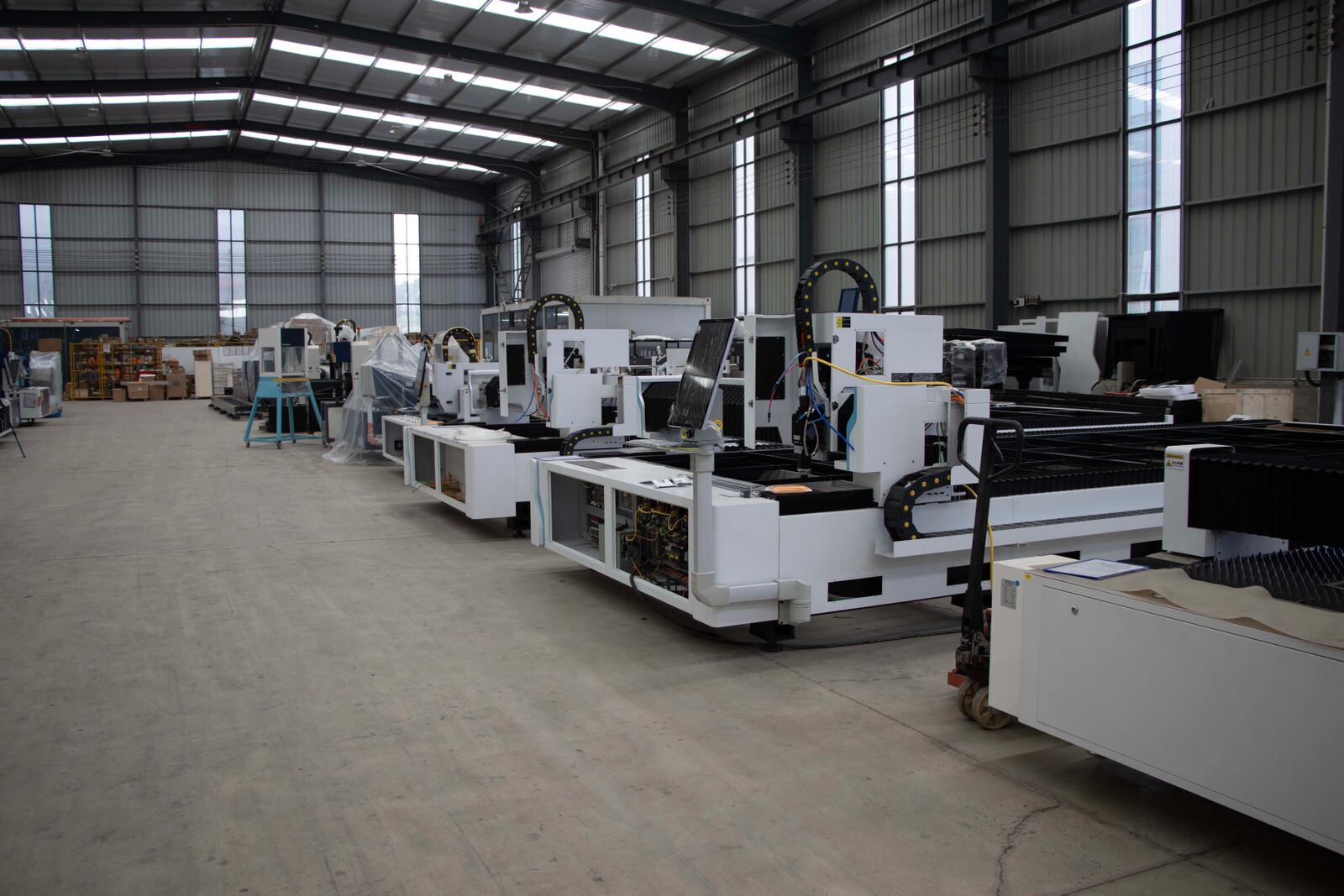
Telford was laid out for factories, and the three main estates were built around loading doors, yards and roads that take lorries. What a particular unit gives a vehicle is still measured, and the answer goes in the catalogue. The work is in what is inside and in the state the unit has to go back in.
What is inside depends on the trade. Plastics moulders leave injection moulding machines, granulators, dryers, chillers and robots, and a tool store that is mostly someone else's property. Automotive component makers leave presses, weld cells, conveyors and test rigs. Food processors leave stainless plant and cold rooms. Engineering firms on Tweedale and Heath Hill leave the machine shop and the welding bay.
We sell the lot in one online timed auction with a viewing day on site, and a strip out can be arranged afterwards where agreed, so the unit is handed back empty.
Moulding machines sell, the moulds mostly go home
An injection moulder's most valuable items are the machines, and its most sensitive are the moulds. The machines, from small presses to the large tonnage units, suit other moulders in the Midlands and dealers who bid online for export, and the ancillary plant goes with them: hopper loaders, dryers, temperature controllers, granulators, chillers and the robots. Wolverhampton, Shrewsbury, Stafford and Bridgnorth are close enough to reach a viewing day. Machines that can be run without risk stay connected so they can be demonstrated, by your staff where agreed, and everything else is isolated and left safe.
The moulds usually belong to the customers whose parts they make, and they are the first thing we sort. On the first visit we go through the tool store against the tooling register, tag every customer tool and store it apart for return. What the firm owns, its own tools, spares, regrind and material stock, goes in grouped lots.
Handing a new town unit back to the schedule
Units on these estates were built in numbered phases, many let on leases with a schedule of condition attached. Where that applies, the unit goes back as it was let: racking and mezzanines out, machine bolts ground flush, plinths broken out, partitioning removed and the floor left level. The lease and the schedule decide the detail.
Where a strip out is agreed, it runs from the last collection day to the landlord's inspection, and we ask for the schedule of condition so it is priced against the document rather than guessed. Racking is sold by the run as a dismantling lot where a dealer wants it, and taken down by a contractor where nobody does.
Timing usually follows the customer rather than the calendar. A component maker can lose a contract when a model goes out of production, and the lease is given up on the next break. Working back from that date, we propose an auction close that leaves the collection window and the strip out room, the spacing set by the number of lots and how much is fixed in.
What these sales can include
- Production machinery
- Machine tools and tooling
- Pallet racking and mezzanines
- Compressors and air receivers
- Extraction and filtration systems
- Overhead cranes and hoists
- Forklifts and pallet trucks
- Workbenches, cabinets and stores
- Electrical switchgear
- Office furniture and IT
- Scrap metal and redundant stock
- Vans and site vehicles
The auction stage
We catalogue every saleable item on site, from the main machines down to grouped lots of hand tools and stores. The sale runs online as a timed auction with a viewing day at the premises. The buyer pays the hammer price plus the premium, with VAT charged where it applies and shown separately, and collects during an agreed window.
Lots are offered as seen under the auction terms, and buyers are expected to inspect before bidding. They arrange and pay for dismantling and removal. Where an item must be taken down carefully, such as a mezzanine or an overhead crane, the catalogue says so and it is part of the lot.
You keep the premises accessible, safe and powered until collection ends. We attend to release lots. The more that leaves through the auction, the less there is to clear at cost afterwards.
The factory and workshop clearance page covers clearance is a different job from a sale, everything that has to come out, the clearance stage, timescales and what slows them down, when a clearance is the wrong approach.
Questions about selling in Telford
- Our unit is on one of the later phases at Halesfield and the landlord has sent a long schedule. Do we have to do all of it?
You have to hand the unit back as the lease says, and the schedule is the landlord's view of what that means. It is worth having a surveyor check it, because schedules sometimes ask for more than the lease allows. Once the scope is agreed we can price the strip out against it, sell what has value in the auction and arrange the removal of the rest. The schedule goes to the contractor with the site photographs before the catalogue is written, so nothing is done twice.
- We have machines on finance and the finance company has not replied. Can the sale go ahead?
Not for those machines. Anything on finance, hire purchase or lease needs the lender's written consent before it is offered, and until that arrives the machine is not catalogued. We can start the rest of the clearance while you chase it, and we will write to the funder with you, setting out the sale date and how a settlement would be paid from the proceeds. If consent comes late, the machine goes in a second sale.
More questions about factory clearance
Related services
Guides
- How a commercial asset auction works
A stage by stage account of an online timed auction for business assets. It covers the asset schedule, cataloguing, viewing days, how bidding closes, buyer's premium and VAT, collection and how you get paid.
- Preparing machinery and equipment for sale
What to do before viewing day. Keep the machines that can be run safely available to demonstrate, isolate the rest, clean but do not repaint, find the tooling and manuals, and sort out access for removal.