 Britannia Auctions
Surplus equipment sales in Coventry
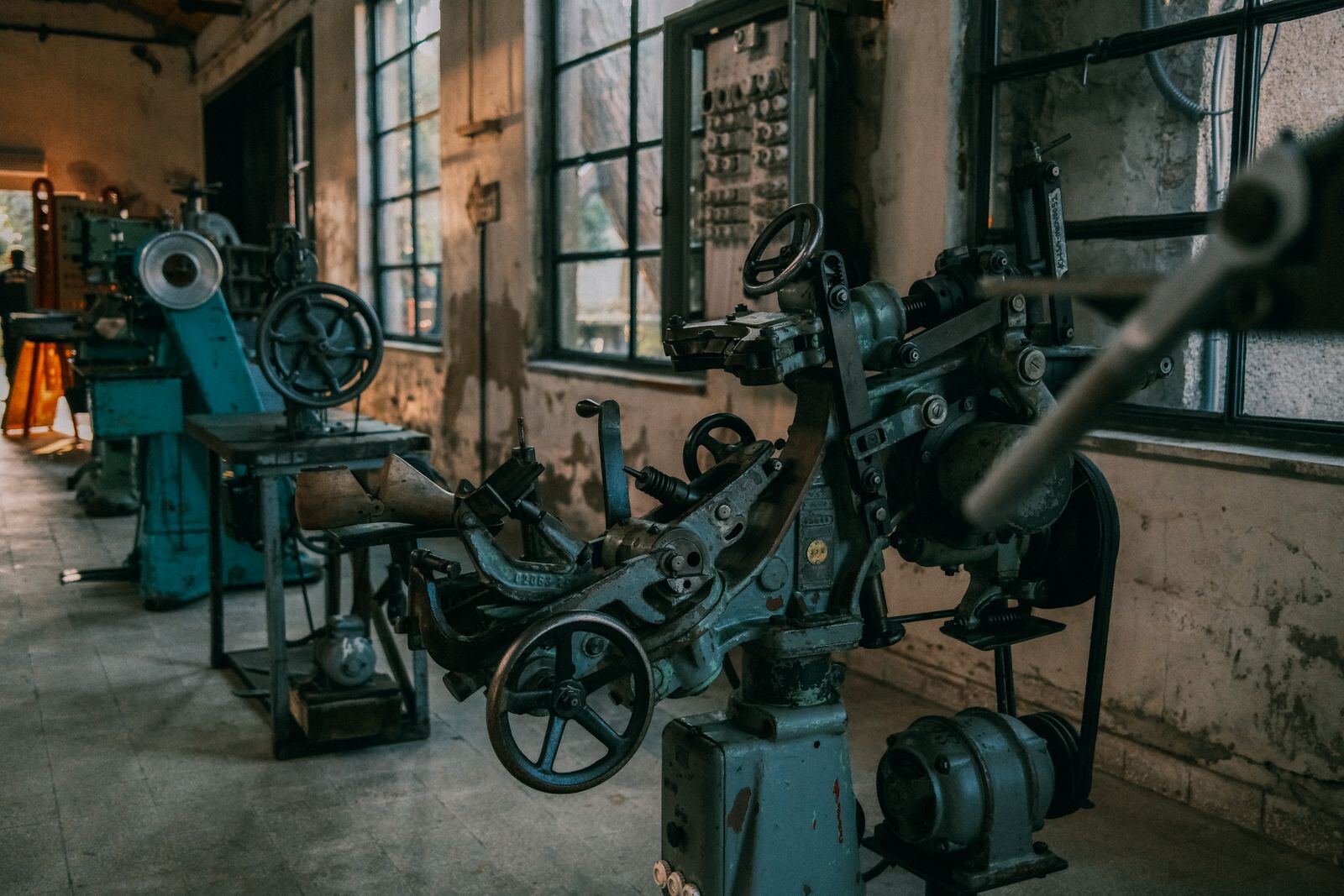
Everything bought for a vehicle programme becomes surplus the day it ends. The tooling shop that made the fixtures has spare capacity. The component maker has a line set up for a part nobody orders. The test house has rigs built for a battery pack that has moved on a generation. Coventry runs on programme cycles, and surplus follows them.
A surplus sale turns that kit into money without stopping the work that has replaced it. We catalogue on site, in the hours you give us, then sell online over a week or two. Buyers view by appointment and collect in booked slots. The trade in Nuneaton, Rugby, Leamington Spa and Hinckley is well placed for the viewing day, and the online catalogue is open to the rest of the country.
We will tell you before you commit what is worth selling and what should be scrapped.
Programme end kit and who buys it
Machine tools from a Coventry tooling shop are well understood by the market. Milling machines, wire and sinker EDMs, grinders and inspection equipment are catalogued for other tool shops across the Midlands and for dealers, with export interest possible on the better machines. Describe them properly and a buyer has something to bid on. Leave the description thin and they assume the worst.
Test and development equipment is harder to value and we say so. A dynamometer or an environmental chamber has a small number of likely buyers, and the right two bidding against each other matters more than a crowd. For those we sometimes recommend private treaty rather than open auction.
Fixtures and gauges specific to one part have almost no market. The steel and the vices have some. We lot them accordingly rather than fill a catalogue with things that will not sell.
Collection from Binley and the distribution parks
The units at Binley or on Bayton Road were built with a loading door and a yard, but what a vehicle can do at a particular address is checked when we first visit: the approach, turning space, door dimensions and the loading arrangements. What we find goes in the catalogue, and the rest of the planning is about the inside of the building.
We agree a collection window with you and book each lot into a slot. Heavy machines are isolated and disconnected by qualified people before collection, and where a crane or skates are needed the catalogue says so. One rigging crew is in the building at a time.
Racking and forklifts from the sheds at Ryton and Middlemarch are a different job. Racking is easiest to judge standing, because a buyer can count the bays, and it can be dismantled in phases around your stock. Forklifts drive onto a truck. Small lots such as test gear, hand tools, office contents and IT can go to our own premises and sell from there, so no visitors are needed at all.
What these sales can include
- Machine tools and CNC equipment
- Forklifts and access platforms
- Pallet racking and shelving
- Compressors and air tools
- Welders and fabrication kit
- Vehicles and trailers
- Test and measurement equipment
- Site accommodation and containers
- Packaging and labelling machines
- Obsolete stock and components
- Office furniture and IT
- Catering and canteen equipment
Selling from a live site
Most surplus sales happen inside a business that is still trading. That changes how we work. Cataloguing is done around your shifts. Viewing is by appointment or on a single day, with visitors signed in and escorted. Collection is booked in slots so that nobody is moving a machine through the middle of a production run.
Items that are still bolted down, plumbed in or connected to services are isolated by a competent person before collection, with electrical and gas disconnection done by qualified people. Buyers arrange and pay for the removal of their lots, and they do not disconnect services themselves.
Tell us about anything that affects access: weight limits on floors, door heights, crane availability, restricted hours. It all goes in the catalogue so buyers plan the removal properly.
The surplus equipment sales page covers what counts as surplus, one sale or a standing arrangement, pricing, reserves and the buyer's premium, after the sale.
Questions about selling in Coventry
- The programme ends in eight weeks and the space is promised to the next one. Is that enough time?
Tell us the date and we will propose a timetable against it. Cataloguing, bidding and the collection window each depend on the number of lots, the access and how quickly buyers pay and clear the site, so the plan is worked back from the day the space is needed rather than fixed in advance. The tighter the date, the more it matters that funder consents and disconnection are dealt with early, because those are what slip.
- Can we sell the old line but keep some of the machines?
Of course. You choose what goes in the sale, item by item, and we photograph and tag only those. Machines you are keeping are noted on the viewing day so buyers do not ask about them. If you are unsure about a particular machine, we give you our opinion of what it would make, and you decide. A machine can also be held back and consigned to a later sale once the new programme has settled down.
More questions about surplus equipment
Related services
Guides
- Preparing machinery and equipment for sale
What to do before viewing day. Keep the machines that can be run safely available to demonstrate, isolate the rest, clean but do not repaint, find the tooling and manuals, and sort out access for removal.
- How used machinery is valued
Buyers pay for what a machine will do for them, less what it costs to get it out and running. This guide explains how make, hours, tooling, demand and removal cost feed a guide price, and why that price is not book value.