 Britannia Auctions
Warehouse and logistics equipment sales in Plymouth
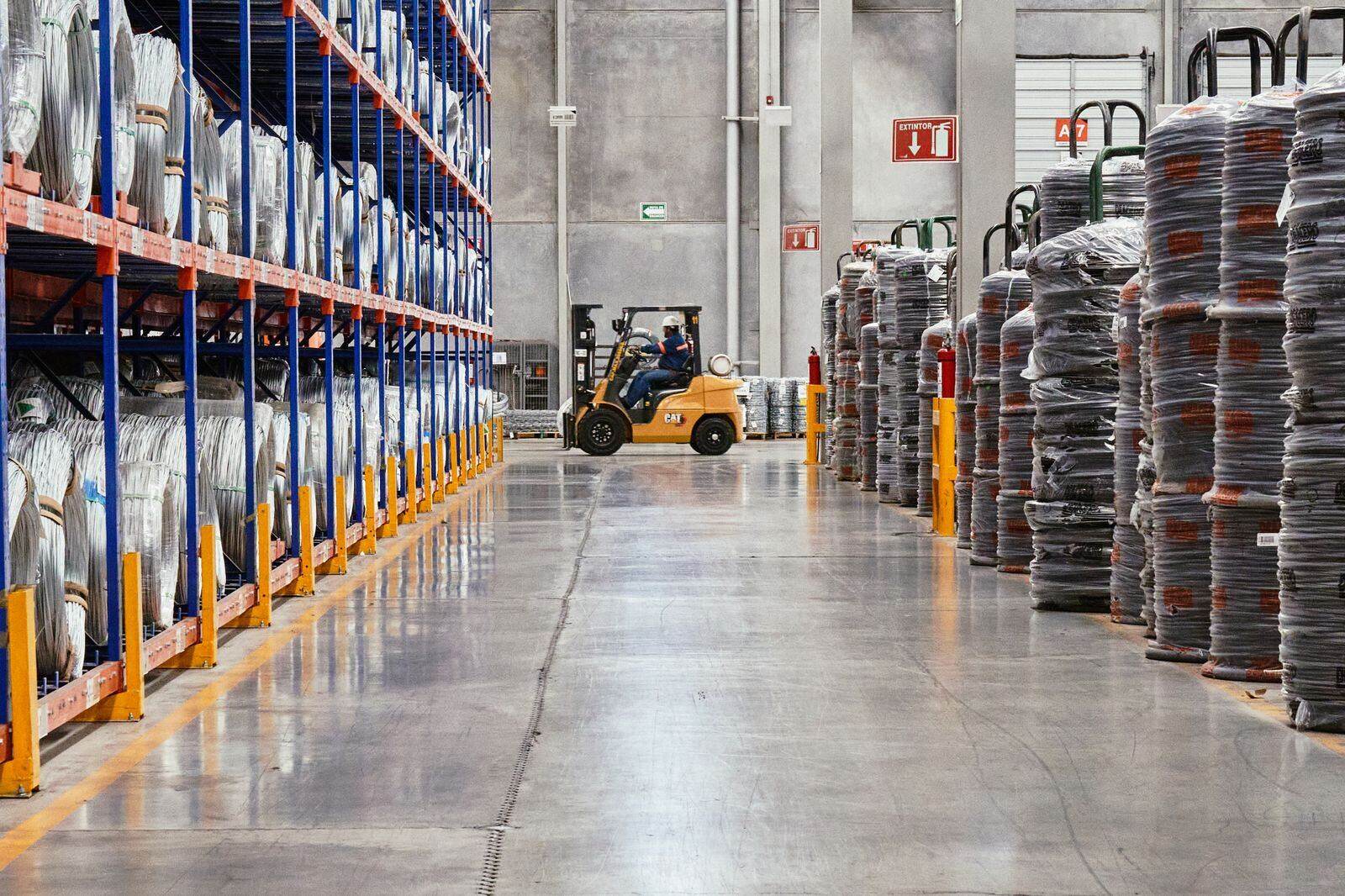
The Midlands sheds where warehouse equipment usually changes hands are a long way from Plymouth, and that shapes the sale. Bidding is online, so the distance does not stop a dealer in the north from bidding on a run of racking, though the haulage costs more, and that cost is part of what any bidder works out. Marine engineers, ship repairers and boatbuilders along the Tamar and the waterfront, seafood processors at Sutton Harbour, and the manufacturing firms at Estover, Langage and Roborough are both the sellers and the buyers.
We sell warehouse and logistics equipment by online timed auction, from your site where the access allows and from our premises where it does not. Many of the older waterfront sites have tight approaches, so we look before we list. Tell us what you have through the contact form and when the building has to be clear.
Waterfront stores and the site check first
A marine engineer's stores near the water is often in a building older than the trade that uses it. Cantilever racking for shafting and lengths of bar, longspan shelving for fittings, a mezzanine over the workshop, a forklift that also serves the quay, and a stretch wrapper and pallet scales at despatch. The approach may be a lane with a tight turn and the yard may be shared with a boat hoist.
So we visit before anything is listed. We note the door heights, where a lorry can turn and whether a buyer's crew can dismantle racking without blocking the neighbours. We also check the floor levels, the loading facilities and what removal each lot needs. That goes in the catalogue, and collection runs by slot. Where the approach will not take a rigid lorry, collection to our premises can be arranged instead. Marine stores equipment suits the yards at Saltash, Torpoint and Ivybridge and along the coast, and cantilever racking suits fabricators and timber merchants.
Selling at the far end of the A38
Distance is a cost to the buyer, and the sale can be arranged to reduce it. Where the site visit finds room for an articulated lorry, a dealer collecting for a customer elsewhere can send one vehicle for several lots, and we group collection slots to make that possible. For the smaller lots, we tell buyers in the catalogue what the local haulage options are and let them decide.
Seafood processors add equipment that travels well, because the same kit is used in food premises everywhere. Insulated fish boxes, plastic pallets, stainless shelving, chill rated racking and powered pallet trucks from cold stores are used by food firms across the South West and beyond. The advanced manufacturing firms at Roborough and Southway give up bin shelving, stillages and small reach trucks that other firms on the same estates fit out with. A viewing day here is within reach of Cornwall over the Tamar Bridge as much as of Devon.
What these sales can include
- Counterbalance forklifts
- Reach trucks
- Powered pallet trucks
- Hand pallet trucks
- Pallet racking
- Mezzanine floors
- Longspan and cantilever shelving
- Conveyors and sortation
- Roll cages and stillages
- Stretch wrap machines
- Pallet scales
- Battery chargers
- Order pickers and stackers
- Dock levellers and loading equipment
How the sale runs
After a site visit we agree what is in the sale and what stays. We catalogue and photograph each lot, list the sale online and market it to warehouse operators, dealers and contractors. Bidders view on a set day, then bid online over the sale period, with lots closing in sequence.
Lots are offered as seen under the auction terms, with buyers expected to inspect before bidding. The buyer pays the hammer price plus a buyer's premium, with VAT charged where it applies and shown separately. We collect payment before release.
Collection runs over a window agreed with you. Buyers arrange and pay for the removal of their lots, with suitable handling equipment or specialist contractors where the item needs them. Our staff attend to release lots against paid invoices and see that dismantling is done safely.
The warehouse and logistics equipment sales page covers racking and how it comes down, forklifts and the records that matter, the small equipment adds up, timing a sale around a site handover.
Questions about selling in Plymouth
- Does a sale this far west still reach the trade?
It does, because the bidding is online and buyers anywhere can send a haulier. Saltash, Liskeard, Tavistock and Totnes are able to get to a viewing day without a long trip, and the marine and food firms in the city know this equipment at first hand. Dealers bid nationally on racking and trucks and price the haulage in. We put the access and the loading arrangements in the catalogue so a bidder in Yorkshire can work the cost out before bidding, and we group collection slots so one lorry can take several lots.
- Our seafood unit at Sutton Harbour has a cold store and a packing line. Does that sell?
Yes. Chill rated racking, stainless shelving, plastic pallets and insulated boxes suit other food firms, and the packing line of conveyors, scales and stretch wrapper suits food and general bidders alike. The cold store panels and the refrigeration plant can be offered, though the buyer arranges and pays for the dismantling and a certified engineer has to recover the refrigerant, so we describe them with that in mind. Access at the harbour is by slot, agreed around the harbour's working hours.
More questions about warehouse equipment