 Britannia Auctions
Business closure auctions in Derby
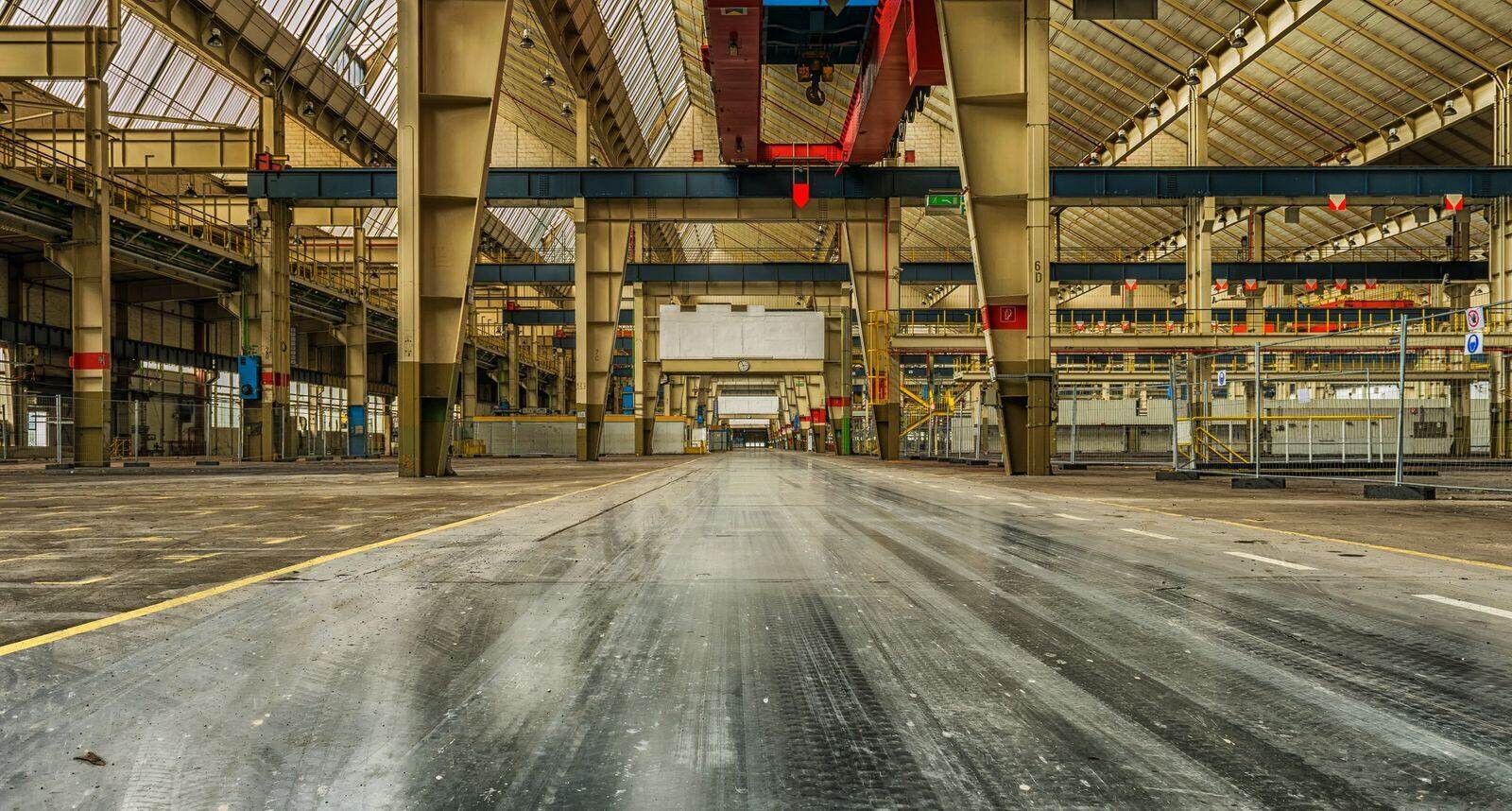
The supply chains for aerospace and rail work in Derby run on approved supplier lists. When a firm loses its approval, or the prime pulls a package of work back in house, a machine shop at Ascot Drive or on Raynesway can find itself with no order book and a lease that runs on. The plant inside has usually been maintained to the standard the customers required, and the records that go with it are part of what a bidder is buying.
We run closure sales for shops like these across the city and along the A38 and A50. Machining centres, lathes, grinders, inspection equipment and tooling are lotted for the engineering trade and for dealers. Bidding is online and open across the UK, and the shops in Nottingham, Burton and Chesterfield are well placed to come and look before bidding closes. The sale is timed, with viewing under power, and the collection days are planned around the riggers. We agree the empty date first and everything else follows from it.
Tell us what is on the floor through the contact form.
Certified machines and the paperwork that sells them
Aerospace and rail suppliers keep records. Calibration certificates, service logs, laser alignment reports and the original build sheets for each machine sit in a filing cabinet somewhere, and they add value at auction. A buyer paying for a five axis machining centre wants to know its geometry has been checked. Gather that paperwork before we catalogue, and we photograph it with the machine.
Inspection rooms are worth cataloguing properly. Coordinate measuring machines, height gauges, surface plates and hardness testers are used by any approved supplier, and the small gauging in drawers is easy to overlook. We lot it by drawer rather than by piece.
Tooling is the long tail. Holders, collets, vices, fixtures and cutters suit any machine shop, and the shops at Long Eaton, Ilkeston, Belper and Ashbourne are close enough to view before they bid. A shop that has run for many years has a lot of it.
Riggers and low loaders on the southern estates
Machine tools do not go out on a pallet truck. What a machining centre needs depends on its weight, the route out and the floor it stands on, and that may mean skates, a crane, a rigger and a low loader at the door. We measure the yard, the turning space, the door and the floor levels on the first visit, at Sinfin and the A50 sites as much as at Osmaston Park, and the findings go in the catalogue.
We describe the removal responsibility in every heavy lot. The buyer pays the rigger and books the transport, then works to the slot we give them. Our staff are on site to let lots go only when they have been paid for and to keep the floor safe while machines are moving.
Sequence matters, and we agree it with you for the building you have. It often suits to clear the small lots first and leave the compressor and the switchgear until last, so that air and power are there while the machines move.
What these sales can include
- Production machinery
- Finished goods and raw materials
- Warehouse racking
- Forklifts and handling equipment
- Vans, trucks and trailers
- Office furniture and computers
- Workshop tools and benches
- Compressors and site services
- Catering equipment
- Retail fittings and display units
- Vehicle lifts
- Packaging machinery
How we run the sale
We visit, agree the scope and catalogue the lots on site. Everything from the main machines down to the contents of the stores can be included. Small items are grouped into sensible lots so that nothing is left behind.
The sale runs online as a timed auction. Bidders register, view the lots on a set viewing day at your premises, and bid until the closing time. Lots close in sequence, and a late bid extends the closing time on that lot.
Buyers pay the hammer price plus the buyer's premium, with VAT charged where it applies and shown separately on the invoice. They pay us, and you are paid once the sale is reconciled and the collection window has closed, from cleared funds. The auction terms set out what happens if a buyer does not pay or collect. The details for your sale are explained when we discuss it.
The business closure auctions page covers closure sales and the pressure of the date, who needs to agree before you sell, stock, records and the things people forget, collection, clearance and the empty building, when a closure sale is not the answer.
Questions about selling in Derby
- Our customer owns some of the fixtures and gauges in the shop. How do we separate them?
Customer owned tooling is common in aerospace and rail work, and it must not be sold. Walk the shop with us at the first visit and tag every fixture, gauge and drawing that belongs to a customer. We keep those out of the catalogue and you return them under the contract. The same applies to any material issued by a customer for a job. Once the tagged items are out, everything else lots as normal.
- The machines still have programmes and customer drawings on them. What happens to that data?
The controls are wiped before the machine leaves. Customer programmes, drawings and inspection records are confidential under most supply agreements, so remove or destroy them before collection day. We can note in the lot description that the control will be cleared. Computers and servers in the office are treated the same way, with drives wiped or removed. The hardware still sells, the data does not go with it.
More questions about closure auctions
Related services
Guides
- Closing a business: a timeline for selling the assets
Work backwards from the day you hand the site over. This guide covers lease end and dilapidations, when to instruct, when staff should leave, when to keep the power on, and how to leave enough room for collection and making good.