 Britannia Auctions
Business closure auctions in Leeds
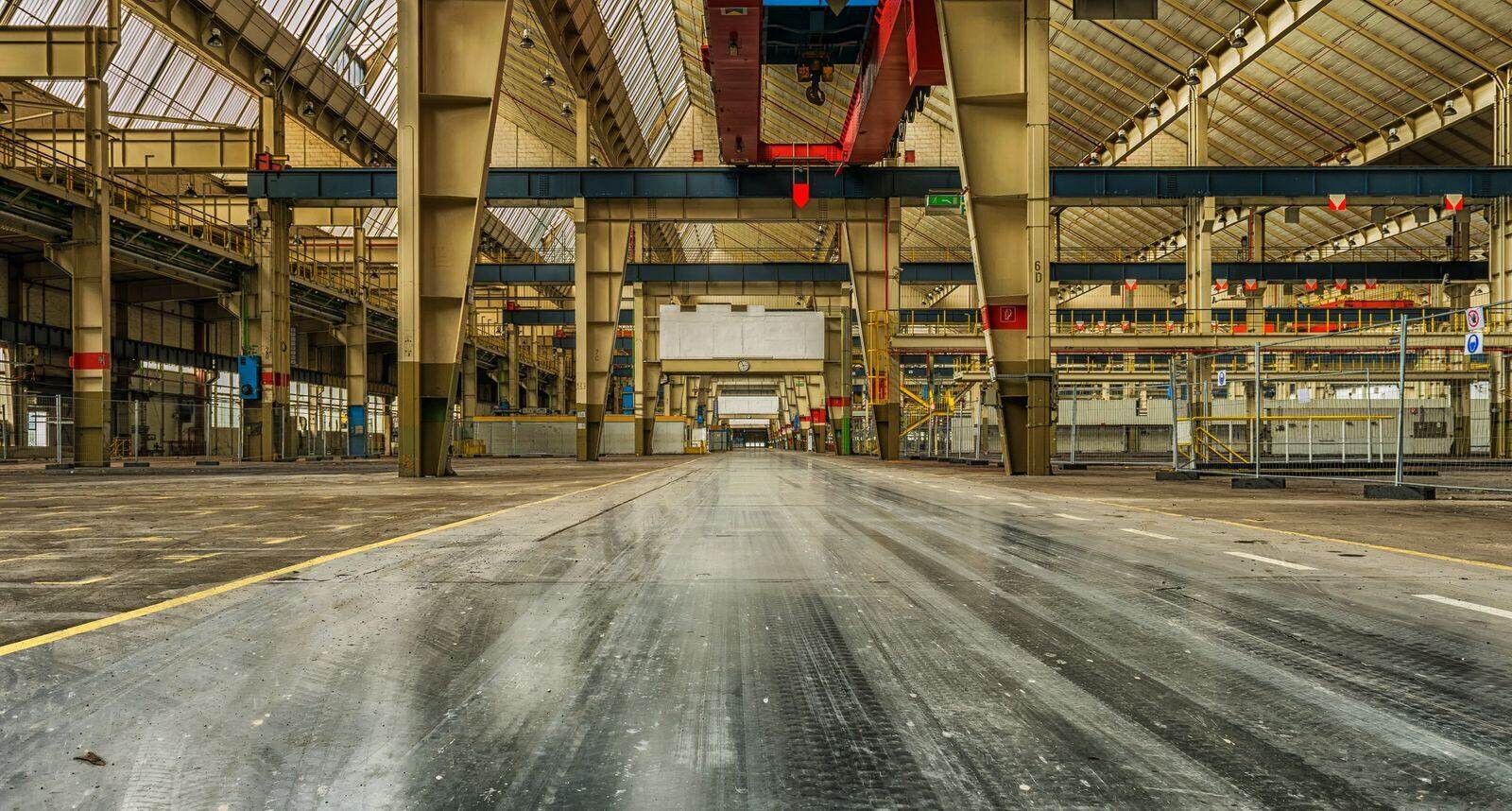
Print closes fast. A litho house in Hunslet or Cross Green loses its main account, and within a month there is a five colour press in a room that was built around it, a finishing department with guillotines and folders, and a trade counter with stock the customers no longer want. The lease has a date on it and the landlord has already asked about the floor.
We sell the lot. Presses, finishing kit, digital machines, plate setters and consumables are lotted for the print trade. Bidding runs online and is open to the whole of the UK, and the printers at Bradford, Wakefield and Huddersfield are close enough to inspect the lots before the sale closes. The same applies to a food unit at Stourton or a metal shop in Hunslet. We catalogue on site and close the sale before the empty date. Our staff stay for the collection days.
Tell us the date and the plant list. We will work out the timetable from there.
A print room sells as one lot or many
The big press is the first decision. A multi unit litho press suits few buyers, mainly other printers and the dealers who trade them, and it needs a specialist to dismantle. We usually offer it as a single lot with a reserve, and if a buyer approaches before the sale we can deal by private treaty and keep the rest of the room in the auction. Either way the press goes out last, because nothing else can move around it.
The rest of the room lots quickly. Guillotines, folders, stitchers, laminators and the digital presses are used across the trade, so they are offered one at a time. Paper stock, plates, inks and consumables are grouped into pallets.
Packaging and food units in the south of the city follow a similar pattern. One large line that needs thought, and a floor of smaller machines, tables, racking and stock that a buyer can take away in a van.
Trade counters and the stock on the shelves
Leeds has a lot of trade counters, in the estates at Hunslet and Stourton and along the A65 at Kirkstall. When one closes it leaves shelving, a counter, a stores full of product and a van or two outside. The stock can be the largest value in the building, and it is the part most likely to be cleared cheaply under time pressure. We lot it by product line and photograph the shelves as they stand, then let the trade bid.
Vans and pickups sell in the same auction, with the V5 and any finance settled first.
Collection is usually straightforward here. Most of the southern estates sit a few minutes from the M621 or the M1, which keeps the run in short for the West Yorkshire trade. Whether the collection window can be short depends on the yard, the loading door and the number of heavy lots, and we check all three when we first visit.
What these sales can include
- Production machinery
- Finished goods and raw materials
- Warehouse racking
- Forklifts and handling equipment
- Vans, trucks and trailers
- Office furniture and computers
- Workshop tools and benches
- Compressors and site services
- Catering equipment
- Retail fittings and display units
- Vehicle lifts
- Packaging machinery
How we run the sale
We visit, agree the scope and catalogue the lots on site. Everything from the main machines down to the contents of the stores can be included. Small items are grouped into sensible lots so that nothing is left behind.
The sale runs online as a timed auction. Bidders register, view the lots on a set viewing day at your premises, and bid until the closing time. Lots close in sequence, and a late bid extends the closing time on that lot.
Buyers pay the hammer price plus the buyer's premium, with VAT charged where it applies and shown separately on the invoice. They pay us, and you are paid once the sale is reconciled and the collection window has closed, from cleared funds. The auction terms set out what happens if a buyer does not pay or collect. The details for your sale are explained when we discuss it.
The business closure auctions page covers closure sales and the pressure of the date, who needs to agree before you sell, stock, records and the things people forget, collection, clearance and the empty building, when a closure sale is not the answer.
Questions about selling in Leeds
- Our press needs a specialist to dismantle. Does that hold up the rest of the sale?
No. The press is sold on terms that make the buyer responsible for dismantling with an approved contractor, and it is given its own removal slot after every other lot has gone. The smaller lots collect in the normal window. If the press buyer needs longer than the lease allows, we discuss that with you before the sale rather than after, and where the landlord will not extend we can arrange for it to be moved to our own premises.
- We have paper and plates that were bought for jobs that will never run. Do they sell?
Yes. Unused paper, board, plates, inks and other consumables are lotted by the pallet for other printers. Sort out anything a customer has paid for, because that belongs to them. Opened or part used stock is grouped into mixed lots so that nothing is left for the skip. What it brings depends on the grade, the quantity and how current it is, and it still saves the disposal cost.
More questions about closure auctions
Related services
Guides
- Closing a business: a timeline for selling the assets
Work backwards from the day you hand the site over. This guide covers lease end and dilapidations, when to instruct, when staff should leave, when to keep the power on, and how to leave enough room for collection and making good.