 Britannia Auctions
Business closure auctions in Sheffield
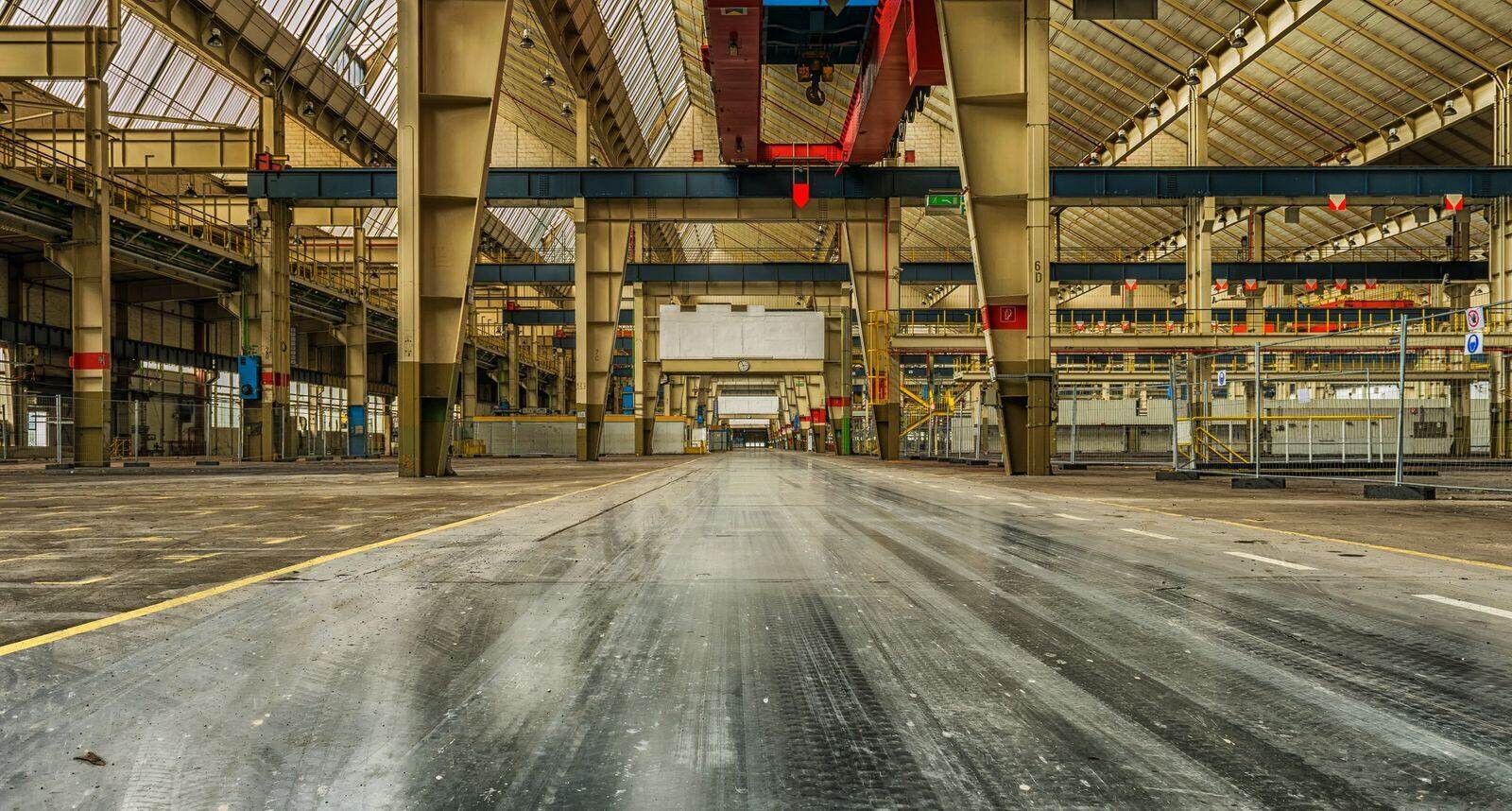
A press brake in a first floor unit is a rigging job before it is anything else, and Sheffield has more first floor engineering than most cities. The older works in Attercliffe and along the Don were built when plant came in through the roof. When a toolroom or a forge closes today, the machines are the straightforward part. The question is how they leave the building and who pays for the crane.
We run closure sales for the metal trades across the Lower Don Valley and the estates by junctions 33 and 34. The sale is online and timed, with a viewing day on site. Bidding is not limited to the area, and the metal trades at Rotherham, Barnsley and Chesterfield are within easy reach of it. Machines that can be run without risk stay connected for the day so they can be demonstrated. Heavy lots are sold with the rigging responsibility spelled out. We agree the empty date at the start and plan the sale backwards from it.
Tell us what is on the floor and when the keys go back.
Machine tools sell better under power
A machining centre a bidder can see running tells them more than one dragged into a corner and unplugged. Where a machine can be run without risk, keep the power and the air on until the viewing day so that it can be demonstrated by your staff. We photograph each machine with its control, its tooling, its serial plate and its hours, and describe the travels and spindle so that trade buyers can bid without a visit.
Forging and pressing plant is different. Hammers, presses, furnaces and quench tanks are sold as they stand, usually with foundations and services excluded, and the lot description says what the buyer must disconnect. Cranes, both overhead and jib, are lotted too, and it usually suits to release them last, because everything else is lifted with them.
The stores and the inspection room should not be forgotten. Cutting tools, gauges, surface plates and hardness testers make up a long tail of lots, and the quantity is usually larger than it looks. A drawer of carbide inserts is a lot in its own right.
The order heavy lots leave the works
The Don Valley estates were laid out for heavy traffic, and we measure the gate, the yard and the door on each one. The harder part is sequence. A bay of machine tools cannot be rigged out until the overhead crane has done its work, and the crane cannot come down until the bay is clear, so the window is planned as a series of days.
We propose the order when we walk the site and agree it with you. It usually suits to release the small lots first and the machine tools next, rigged by the buyer's contractor with our staff signing lots out, leaving the crane, the compressors and the site services until the end. Each lot is isolated by a competent person before collection, and the building can be handed back with the power still on for the landlord's inspection.
Where a works cannot take buyers on site, or the road outside is too tight, the plant can come to our own premises and sell from there. Which route we propose depends on the lots, the premises and the timetable.
What these sales can include
- Production machinery
- Finished goods and raw materials
- Warehouse racking
- Forklifts and handling equipment
- Vans, trucks and trailers
- Office furniture and computers
- Workshop tools and benches
- Compressors and site services
- Catering equipment
- Retail fittings and display units
- Vehicle lifts
- Packaging machinery
How we run the sale
We visit, agree the scope and catalogue the lots on site. Everything from the main machines down to the contents of the stores can be included. Small items are grouped into sensible lots so that nothing is left behind.
The sale runs online as a timed auction. Bidders register, view the lots on a set viewing day at your premises, and bid until the closing time. Lots close in sequence, and a late bid extends the closing time on that lot.
Buyers pay the hammer price plus the buyer's premium, with VAT charged where it applies and shown separately on the invoice. They pay us, and you are paid once the sale is reconciled and the collection window has closed, from cleared funds. The auction terms set out what happens if a buyer does not pay or collect. The details for your sale are explained when we discuss it.
The business closure auctions page covers closure sales and the pressure of the date, who needs to agree before you sell, stock, records and the things people forget, collection, clearance and the empty building, when a closure sale is not the answer.
Questions about selling in Sheffield
- Our overhead crane is bolted into the building. Does it sell separately or go with the lease?
Check the lease and the original purchase first. If the crane was fitted by you and the lease treats it as a tenant's fixture, it sells. If it was there when you moved in, it usually belongs to the landlord and stays. Where it is yours, we lot the crane and its rails together and schedule its removal last, after every other lot has left, with a specialist contractor arranged by the buyer.
- The machines are worth more running. Can the sale close while we are still working?
Yes, and it often suits. Where the machines can be run without risk, keeping a skeleton shift on until the viewing day lets your staff demonstrate them to bidders. The auction then closes online, and the shift stops before collection starts. What you cannot do is keep using machines after they have been sold and paid for, so we agree a cut off date for production with you at the start.
More questions about closure auctions
Related services
Guides
- Closing a business: a timeline for selling the assets
Work backwards from the day you hand the site over. This guide covers lease end and dilapidations, when to instruct, when staff should leave, when to keep the power on, and how to leave enough room for collection and making good.