 Britannia Auctions
Business closure auctions in Wolverhampton
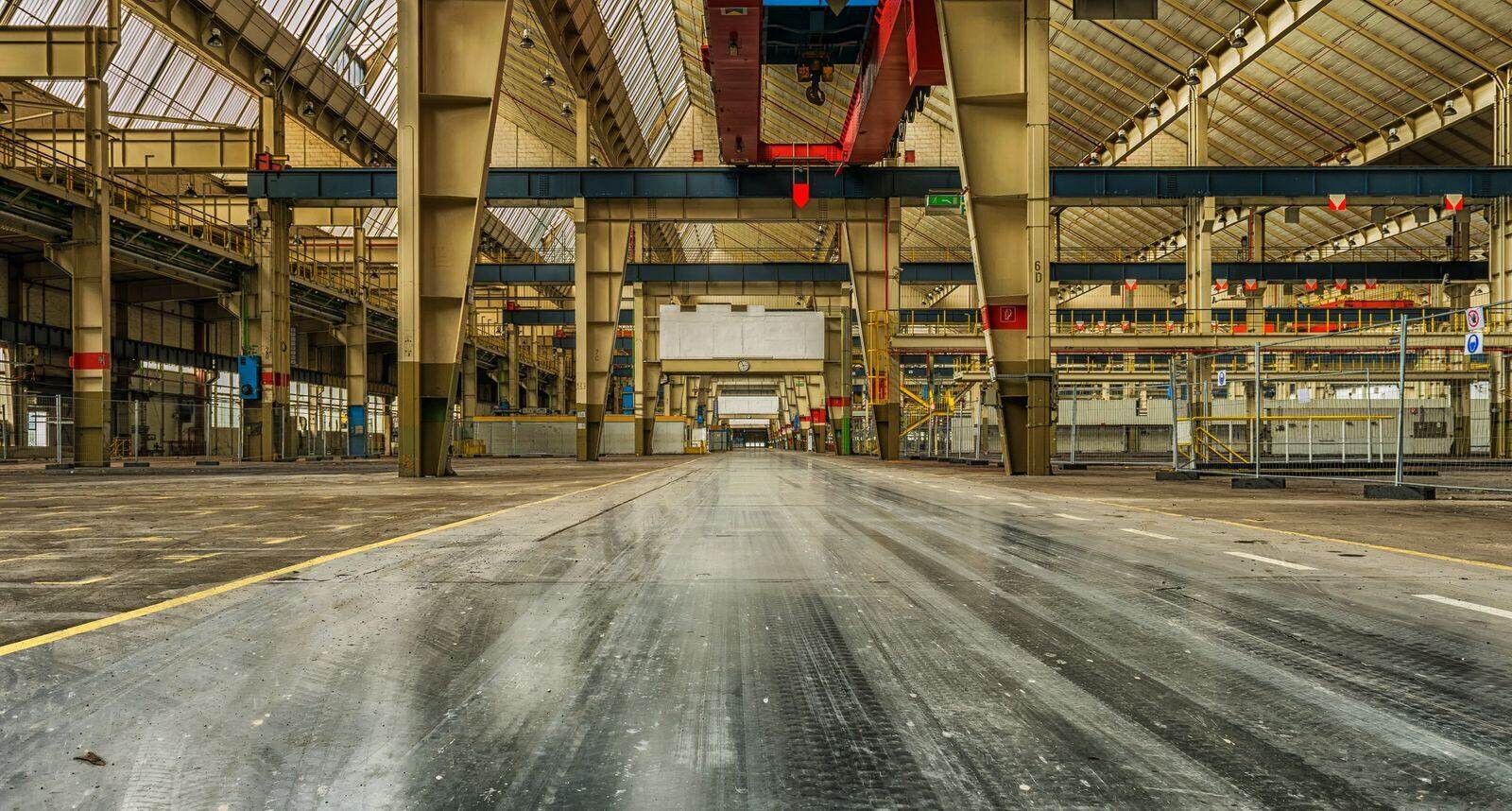
The Black Country built its factories before articulated lorries existed. A press shop at Bilston or a fabricator on the Willenhall estates may sit at the end of a narrow road, behind a gate that will not take a low loader, with heavy plant inside. That is why a closure sale here starts with measuring the route out rather than listing the machines.
We take that on. From the first visit we work out how each heavy lot leaves the building, whether the road needs coning and whether a crane can stand in the yard. Then the catalogue is written with that plan in it, so that every bidder knows what they are taking on. Bidding is open to buyers from any part of the country, and the trade at Walsall, Dudley and Telford is close enough to inspect the lots before the sale closes. The sale runs online and closes with enough time before the lease date for the collection days and the riggers.
Tell us where the unit is and when the keys go back.
Presses and fabrication plant with the removal written in
Power presses, press brakes, guillotines and welding plant are the core of most closure sales in this city. Each heavy lot is described with its weight where we know it, its position in the building and what the buyer must do to get it out. If a wall panel has to come off or a machine has to be split, the lot says so.
Aerospace and automotive suppliers around the i54 and the newer units at Fordhouses bring cleaner kit. Machining centres, inspection equipment, test rigs and assembly benches from those sites suit engineering firms across the West Midlands. Anything on finance, hire purchase or lease stays with the funder until the agreement is settled, so their agreement comes first.
The rest of the building sells too. Racking, fork trucks, compressors, the office and the contents of the stores are lotted so that nothing is left for the skip, and the small tooling is easy to underestimate.
Narrow gates and the order of the collection days
Older estates at Bilston and around Wednesfield Way are where the planning matters. A press that came in decades ago on a flatbed may need a mobile crane in the road and a permit to close it for a morning. We check the route on the first visit and, where a road closure or a police notice is needed, we build the lead time into the sale date.
The collection order is then agreed with you. It often suits to clear the vans and small lots first, take the heavy lots on set days with the crane booked by the buyer, and leave the compressor and switchgear until the end. Our staff are on site to release each lot against a paid invoice.
Where the building cannot be worked safely, or the landlord will not have buyers on site, we collect everything ourselves and sell from our own premises. The sale still happens, and the building is empty sooner.
What these sales can include
- Production machinery
- Finished goods and raw materials
- Warehouse racking
- Forklifts and handling equipment
- Vans, trucks and trailers
- Office furniture and computers
- Workshop tools and benches
- Compressors and site services
- Catering equipment
- Retail fittings and display units
- Vehicle lifts
- Packaging machinery
How we run the sale
We visit, agree the scope and catalogue the lots on site. Everything from the main machines down to the contents of the stores can be included. Small items are grouped into sensible lots so that nothing is left behind.
The sale runs online as a timed auction. Bidders register, view the lots on a set viewing day at your premises, and bid until the closing time. Lots close in sequence, and a late bid extends the closing time on that lot.
Buyers pay the hammer price plus the buyer's premium, with VAT charged where it applies and shown separately on the invoice. They pay us, and you are paid once the sale is reconciled and the collection window has closed, from cleared funds. The auction terms set out what happens if a buyer does not pay or collect. The details for your sale are explained when we discuss it.
The business closure auctions page covers closure sales and the pressure of the date, who needs to agree before you sell, stock, records and the things people forget, collection, clearance and the empty building, when a closure sale is not the answer.
Questions about selling in Wolverhampton
- The road outside is too narrow for a low loader. Does that stop the sale?
No, it changes the plan. We look at whether a crane can lift over the wall from the road, whether a smaller rigid lorry can get to the door, or whether the lot can be moved to a point the low loader can reach. Which of those suits depends on the weight and dimensions of the machine and on the route out, and the answer goes in the catalogue. If none works, the plant can come to our own premises and sell from there.
- Some of our presses have been here since before we took the lease. Are they ours to sell?
Possibly not. Plant that was in the building when you signed the lease may belong to the landlord, and the lease or the inventory attached to it will say. Check that document before we catalogue. Machines you bought and installed are yours, even if they are bolted down, unless the lease treats them as landlord's fixtures. If the position is unclear, we leave the item out of the sale until it is settled.
More questions about closure auctions
Related services
Guides
- Closing a business: a timeline for selling the assets
Work backwards from the day you hand the site over. This guide covers lease end and dilapidations, when to instruct, when staff should leave, when to keep the power on, and how to leave enough room for collection and making good.