 Britannia Auctions
Business closure auctions in Manchester
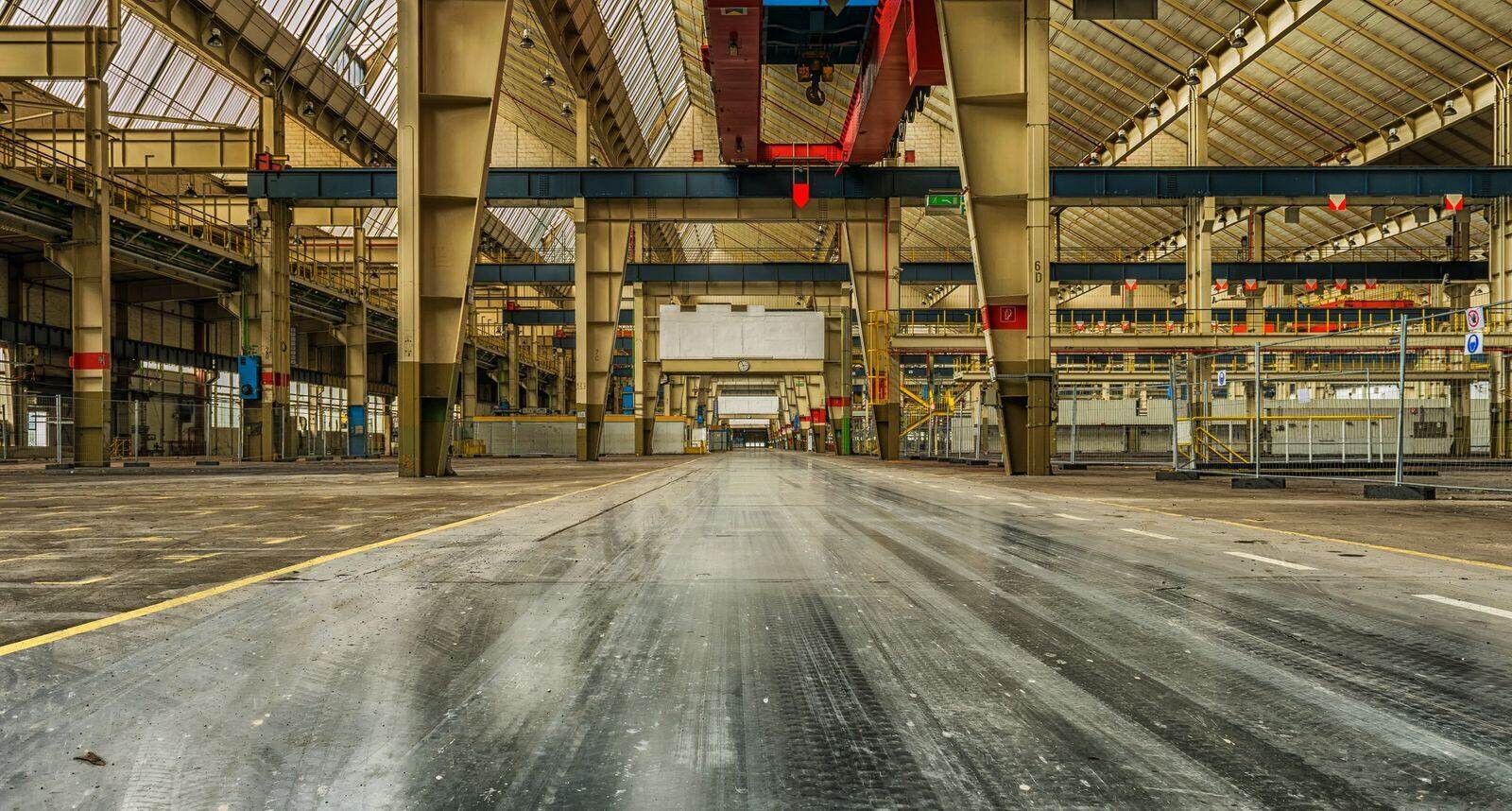
Most closures we handle around Manchester are sheds, not factories. A distribution operator at Trafford Park or along the M62 loses a contract, the lease runs to a quarter day, and there are thousands of pallet spaces of racking bolted to the floor. A food or drink business in the east of the city closes with a cold store, a filling line and stock that is dated. Both need to be gone on a date.
Racking is where these sales are won or lost. It has to be dismantled, stacked, counted and taken away, and the landlord wants the floor bolts out and the holes made good. We sell it in bays by the run, with the buyer arranging and paying for the dismantling and our staff on site while it happens, and we aim to close the sale so that the last run leaves before handback.
Send us the lease date and a rough count of what is inside. We will come and look.
Racking, forklifts, chillers and stock at shed scale
A shed closure is mostly counting. We walk the racking with a tally of bays, beam lengths, frame heights and load ratings, and lot it so that a buyer fitting out another unit in Bolton or Warrington can bid on a whole aisle. Forklifts are lotted one at a time, with the hours and the service history photographed. Reach trucks, pallet trucks, dock levellers and battery chargers are lotted separately rather than bundled.
Stock is the awkward part. Finished goods that belong to a customer must go back to that customer, not into the sale, so separate them early. Stock that is yours is lotted by the pallet for wholesalers and traders. Chilled and frozen product needs the power on until the buyer collects, and a plan for anything the sale does not clear.
Food and drink plant from the east side of the city, at Openshaw or Newton Heath, adds fillers, tanks, conveyors and packing machines to the list, and those go into the same online sale.
Working back from a quarter day on the M60
Commercial leases in the region commonly end on a quarter day, and the big sheds near the M60 are let to operators who plan around them. Our timetable starts from that date. We would normally propose closing the auction about ten days before it, with collection in the following week and the last days left for the racking contractors and for our staff to confirm nothing is left. The number of bays and the door capacity decide how tight that can be.
Junctions 9 to 11 put Trafford Park a few minutes from the orbital, and the sheds there were built with dock doors and hard standing. We still check the yard, the doors and the turning space before we set the days, because the pressure here is usually volume. Hundreds of bays of racking and a fleet of forklifts cannot all leave on one day, so we book collection slots by lot type and keep the yard moving.
A smaller operator on an older site in the east, with tighter access, gets the same sale. We simply plan the slots with smaller vehicles in mind.
What these sales can include
- Production machinery
- Finished goods and raw materials
- Warehouse racking
- Forklifts and handling equipment
- Vans, trucks and trailers
- Office furniture and computers
- Workshop tools and benches
- Compressors and site services
- Catering equipment
- Retail fittings and display units
- Vehicle lifts
- Packaging machinery
How we run the sale
We visit, agree the scope and catalogue the lots on site. Everything from the main machines down to the contents of the stores can be included. Small items are grouped into sensible lots so that nothing is left behind.
The sale runs online as a timed auction. Bidders register, view the lots on a set viewing day at your premises, and bid until the closing time. Lots close in sequence, and a late bid extends the closing time on that lot.
Buyers pay the hammer price plus the buyer's premium, with VAT charged where it applies and shown separately on the invoice. They pay us, and you are paid once the sale is reconciled and the collection window has closed, from cleared funds. The auction terms set out what happens if a buyer does not pay or collect. The details for your sale are explained when we discuss it.
The business closure auctions page covers closure sales and the pressure of the date, who needs to agree before you sell, stock, records and the things people forget, collection, clearance and the empty building, when a closure sale is not the answer.
Questions about selling in Manchester
- Some of the stock in our warehouse belongs to customers. How do you keep it out of the sale?
Tell us when we walk the site and mark it on the floor. Customer owned goods stay out of the catalogue and are usually collected by the customer or moved to another warehouse before we photograph anything. We only list stock you own outright or where the finance company has agreed to the sale. It is worth doing this early, because a pallet that ends up in the wrong lot is hard to unwind after the hammer.
- The landlord wants the racking bolts out and the floor made good. Who does that?
The buyer of the racking dismantles it and removes the frames, and we write into the sale terms that floor bolts are cut flush or pulled. Making good the holes is normally your job under the lease, so leave a day or two after the last collection for that work. We can include the stripping in the collection plan so that the floor is ready for the landlord's inspection on the agreed date.
More questions about closure auctions
Related services
Guides
- Closing a business: a timeline for selling the assets
Work backwards from the day you hand the site over. This guide covers lease end and dilapidations, when to instruct, when staff should leave, when to keep the power on, and how to leave enough room for collection and making good.