 Britannia Auctions
Business closure auctions in Northampton
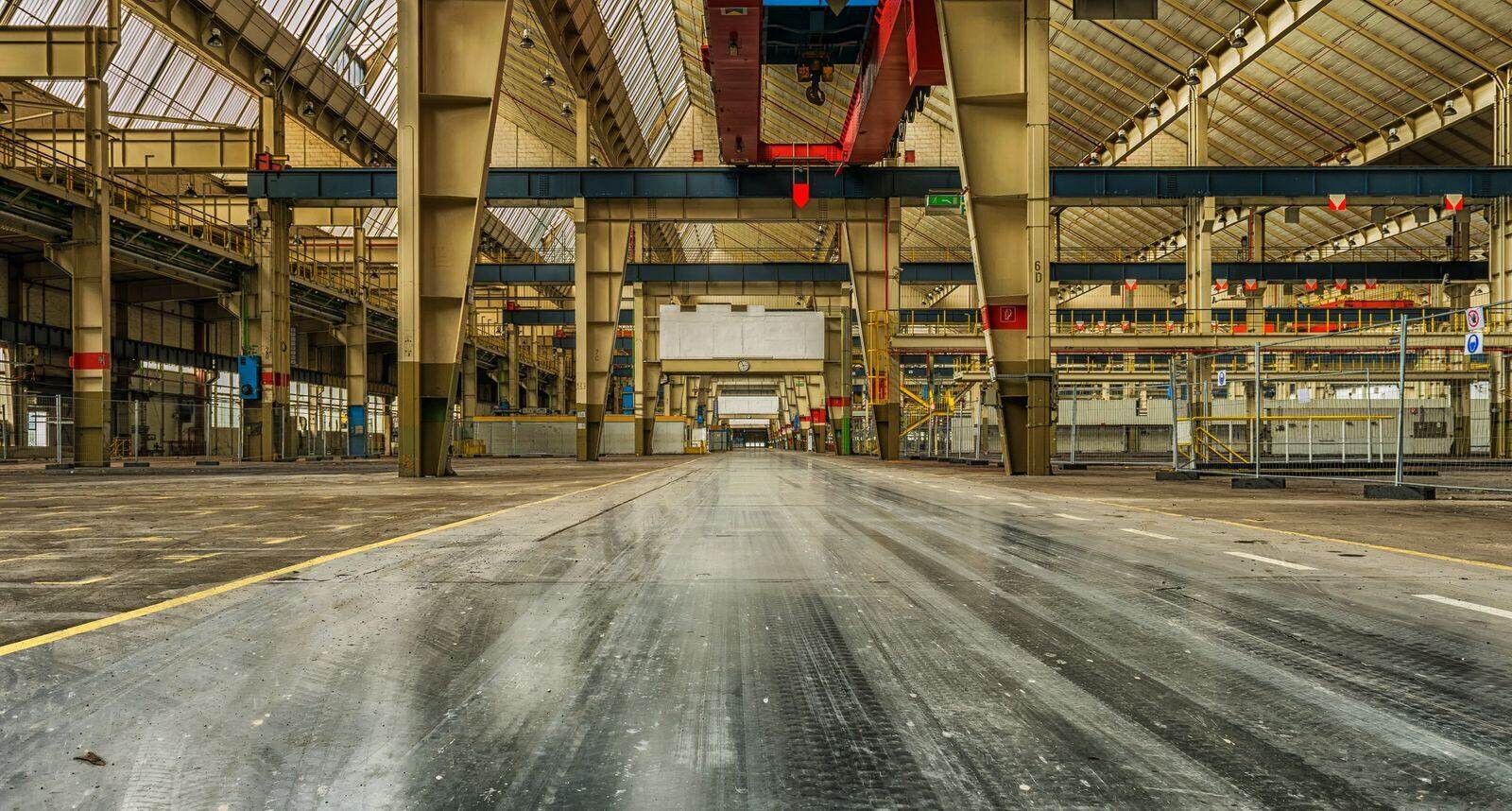
Brackmills, Swan Valley and Pineham are full of warehouses that were built for one occupier and one contract. When the contract goes elsewhere the operator hands the shed back, and the racking, the mezzanine, the conveyors and the fork trucks have to be out before the landlord's surveyor walks the floor. Some of the older estates near the town centre hold a different sort of closure: a shoe factory, a print shop, an engineering works or a food unit where the machines are smaller and the buyers fewer.
We run both as online timed auctions. The lots are catalogued where they stand, the trade views on one day, and buyers collect in an agreed window. The auction is online and open to bidders well beyond the area, and the warehouse operators at Wellingborough, Kettering, Daventry and Rugby are close enough to walk the lots on the viewing day.
Send us the asset list and the handback date through the form.
Clearing a shed at Brackmills down to the slab
A warehouse closure is mostly volume. Hundreds of bays of pallet racking, a mezzanine floor, conveyor runs, sortation kit, charging stations and a fleet of reach trucks and pallet trucks all have to be sold and removed. We lot racking by the run, with the height, the beam length, the frame depth and the number of levels stated, so that a buyer can bid for what will fit their own building.
The order of removal matters more than anything here, and we agree it with you before the sale opens. It usually suits to hold the handling equipment back, so that trucks are available while the racking comes down, and to take conveyors out before the mezzanine they run under. Our staff are on site through the collection days to release lots once their invoices are paid.
What is left at the end is the slab, and a landlord will inspect it. Plan the racking bolt holes and the floor marking into the dilapidations discussion early.
Shoe factory machinery and the small trade that buys it
Footwear manufacturing still goes on in the town, and when a factory closes the machines suit a narrow set of trades. Clicking presses, skiving machines, lasting machines, sole presses and finishing kit are used by other shoemakers, repairers, leather goods makers and colleges, and bidding is open to them in the UK and overseas. We photograph makers' plates and note the last service, because a bidder abroad has only the description to go on.
The lasts, the patterns, the leather stock and the thread are lots too, and worth including. Leather is offered by the hide, and lasts in sets, so that a firm still making the same widths can bid on what it can use.
The older estates near the town centre were laid out on a different scale from Brackmills. A press on a first floor is a rigging job and we say so in the lot. We check the stairs, the lift, the loading door and the yard when we first visit and set collection days that keep vans and low loaders apart.
What these sales can include
- Production machinery
- Finished goods and raw materials
- Warehouse racking
- Forklifts and handling equipment
- Vans, trucks and trailers
- Office furniture and computers
- Workshop tools and benches
- Compressors and site services
- Catering equipment
- Retail fittings and display units
- Vehicle lifts
- Packaging machinery
How we run the sale
We visit, agree the scope and catalogue the lots on site. Everything from the main machines down to the contents of the stores can be included. Small items are grouped into sensible lots so that nothing is left behind.
The sale runs online as a timed auction. Bidders register, view the lots on a set viewing day at your premises, and bid until the closing time. Lots close in sequence, and a late bid extends the closing time on that lot.
Buyers pay the hammer price plus the buyer's premium, with VAT charged where it applies and shown separately on the invoice. They pay us, and you are paid once the sale is reconciled and the collection window has closed, from cleared funds. The auction terms set out what happens if a buyer does not pay or collect. The details for your sale are explained when we discuss it.
The business closure auctions page covers closure sales and the pressure of the date, who needs to agree before you sell, stock, records and the things people forget, collection, clearance and the empty building, when a closure sale is not the answer.
Questions about selling in Northampton
- The racking was installed by the landlord's previous tenant and nobody knows who owns it. Can we sell it?
Check the lease and the inventory that came with it before anything else. If the racking was listed as a landlord's fixture, it stays and you have nothing to sell. If it was bought by your business, or left behind by a previous tenant with no claim on it, it is usually yours to sell, but get the landlord to confirm that in writing. We will not list racking until the ownership is settled, because a dispute in the collection window stops the whole sale.
- Our parcel sortation system is bolted through the floor and wired into the mains. Who takes it out?
The buyer, at their cost, and we say so in the lot description. Sortation kit sells to other carriers and to specialist dealers who send their own engineers. Your side of the job is to have the electrical supply isolated by a qualified electrician before collection and to keep the power to the rest of the building on for the other lots. If the system is worth more in parts than whole, we split it into sections and sell each to a different buyer.
More questions about closure auctions
Related services
Guides
- Closing a business: a timeline for selling the assets
Work backwards from the day you hand the site over. This guide covers lease end and dilapidations, when to instruct, when staff should leave, when to keep the power on, and how to leave enough room for collection and making good.