 Britannia Auctions
Business closure auctions in Plymouth
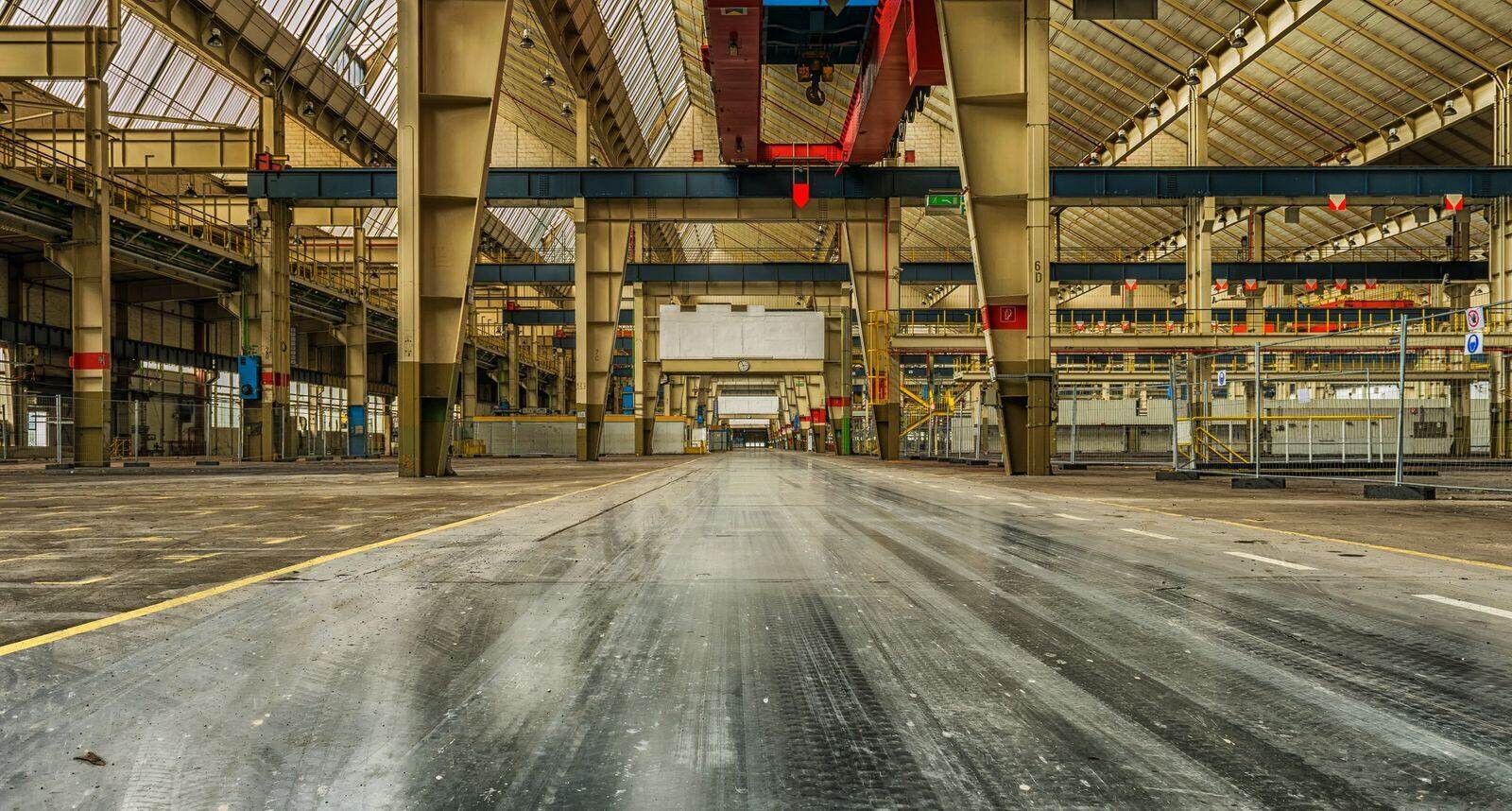
Plymouth sits a long way from most of the trade, and that shapes how we sell a closing business here. A seafood processor at Sutton Harbour, a boatbuilder on the Tamar, a vehicle workshop at Marsh Mills or a manufacturing unit at Estover has the Saltash, Ivybridge, Torpoint and Tavistock trade near enough to view in person, while bidding for a machining centre or a boat hoist is open to firms that will never drive down the A38. The catalogue has to do the work that a viewing day would do elsewhere.
So we photograph every lot from every side, list plates, hours, sizes and faults, and run the sale as an online timed auction with a viewing day for the locals and a collection window long enough for a haulier from the Midlands to plan a trip. Buyers pay us, then collect in the agreed window. You are paid after the sale is reconciled from cleared funds, with a lot by lot statement.
Tell us what is in the building and when the lease ends.
Ice machines, filleting lines and the cold chain at the harbour
A seafood processor closes with the same problem as any food unit, but colder and wetter. Ice machines, filleting tables, blast freezers, vacuum packers, insulated tubs and stainless benches are all lotted, and the trades that use them are other processors, fishmongers along the coast and catering firms. The freezers and cold rooms have to be decommissioned by a refrigeration engineer before collection, and any product left inside has to be sold in the cold chain or disposed of properly. We settle that before the catalogue goes live.
Boatyards and marine engineers along the waterfront bring cradles, trailers, hoists, welding sets and workshop tools. Boat handling kit comes up rarely, so bidding for it is opened to yards across the UK rather than to the south west alone.
Advanced manufacturing and medical device firms at Langage and Roborough are the other end of the city. Clean room kit, CNC machines, test benches and inspection equipment are described for a national trade that bids online without visiting.
Tight waterfront access and buyers who plan a long trip
Older sites near the water were built when everything arrived by sea, and the roads to them show it. A unit at Sutton Harbour or along the Tamar may have a single narrow approach, a shared yard, a slope and a door that a low loader cannot back up to. We walk the route during our first visit, measure what matters and put the answer in the catalogue, so that a buyer coming from Bristol or Birmingham sends the right vehicle the first time. Where the site cannot be worked, we move the lots to our own premises and sell them from there.
Estover, Langage, Roborough and the estates off the A38 are simpler. Level yards and wide roads mean heavy lots leave on the first collection day.
Because many buyers are travelling a long way, we set the collection window with that in mind and confirm every collection by appointment. Nobody drives half a day to find the lot behind another lot.
What these sales can include
- Production machinery
- Finished goods and raw materials
- Warehouse racking
- Forklifts and handling equipment
- Vans, trucks and trailers
- Office furniture and computers
- Workshop tools and benches
- Compressors and site services
- Catering equipment
- Retail fittings and display units
- Vehicle lifts
- Packaging machinery
How we run the sale
We visit, agree the scope and catalogue the lots on site. Everything from the main machines down to the contents of the stores can be included. Small items are grouped into sensible lots so that nothing is left behind.
The sale runs online as a timed auction. Bidders register, view the lots on a set viewing day at your premises, and bid until the closing time. Lots close in sequence, and a late bid extends the closing time on that lot.
Buyers pay the hammer price plus the buyer's premium, with VAT charged where it applies and shown separately on the invoice. They pay us, and you are paid once the sale is reconciled and the collection window has closed, from cleared funds. The auction terms set out what happens if a buyer does not pay or collect. The details for your sale are explained when we discuss it.
The business closure auctions page covers closure sales and the pressure of the date, who needs to agree before you sell, stock, records and the things people forget, collection, clearance and the empty building, when a closure sale is not the answer.
Questions about selling in Plymouth
- Most of our buyers will be hundreds of miles away. How do they know what they are bidding on?
From the catalogue, which is why we spend longer on it here than in most places. Every lot gets photographs from all sides, the maker's plate, the hours or cycle count where there is one, and a plain note of any fault we found. Buyers can ask questions during the sale and we answer them in writing. The viewing day is still held for the local trade, but a bidder in Leeds should be able to commit without it.
- Our boat hoist is bolted to the quay and the quay belongs to the harbour authority. Can it be sold?
The hoist can, if you own it, but its removal needs the harbour authority's agreement and a rigger who has worked on a quay before. We ask for the licence or lease that covers the quay and check what it says about fixtures. If the hoist has to stay, it comes out of the sale and you negotiate its transfer with the landlord separately. If it can go, the lot says that the buyer arranges and pays for the lift.
More questions about closure auctions
Related services
Guides
- Closing a business: a timeline for selling the assets
Work backwards from the day you hand the site over. This guide covers lease end and dilapidations, when to instruct, when staff should leave, when to keep the power on, and how to leave enough room for collection and making good.