 Britannia Auctions
Business closure auctions in Reading
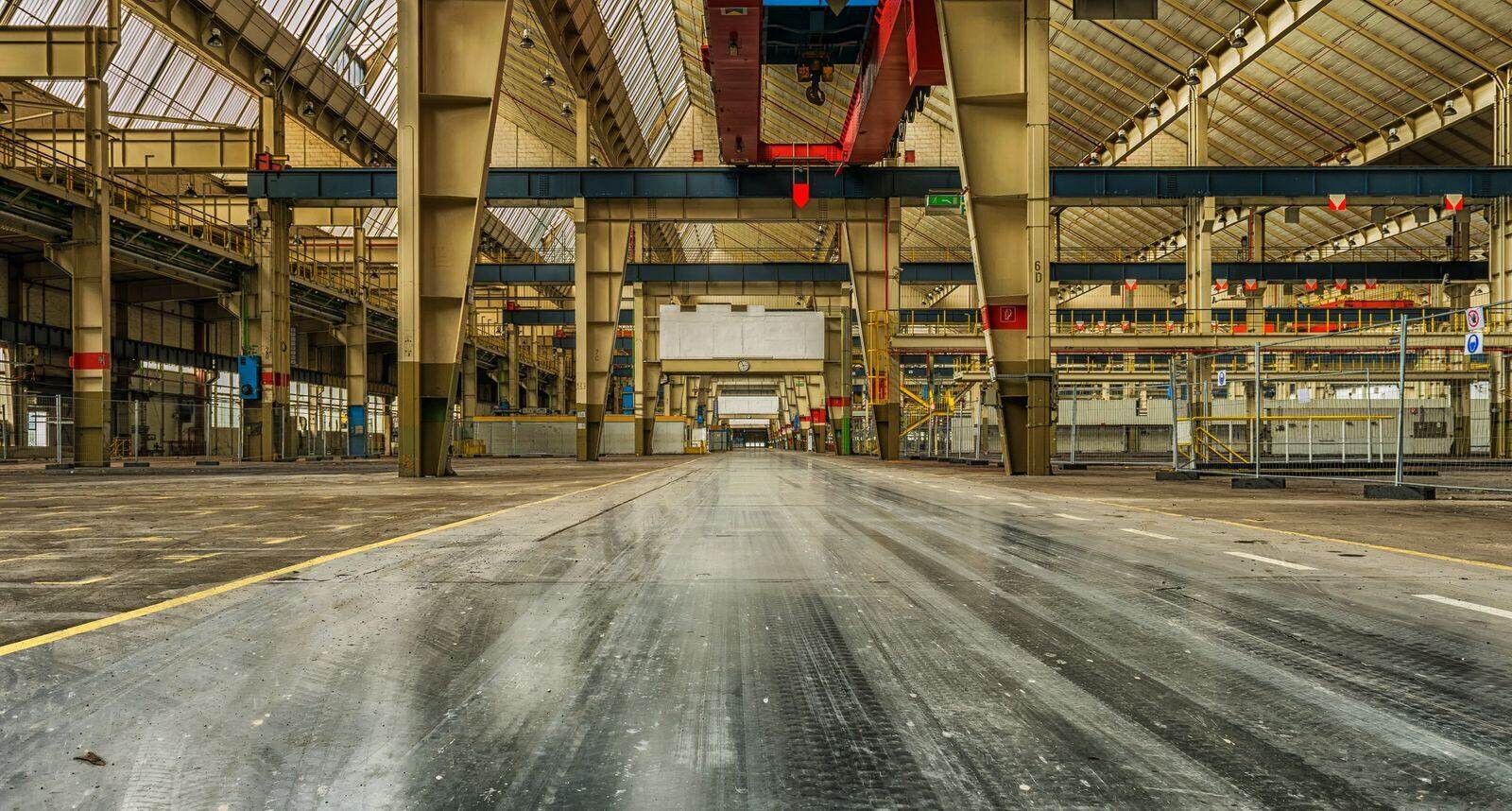
Not every closure sale is a factory. Around Reading it is often a technology company on Green Park or Thames Valley Park that has run out of funding, leaving two floors of desks, monitors, meeting room kit and a server room, with a landlord who wants the floor back to shell condition. The value is spread thin across hundreds of small items, and the loading bay is shared with six other tenants.
We sell that kind of building as readily as a workshop on Battle Farm or a depot at Theale. Everything is lotted, photographed and sold online in one timed auction, with buyers from Wokingham, Bracknell, Basingstoke and Newbury collecting in a fixed window and the rest of the UK bidding from a distance.
Tell us what is in the building and when the keys go back.
Office floors sell by the row, not the desk
Office furniture is a bulk proposition. Dealers and clearance firms deal in desks by the row, chairs by the fifty and storage by the run, so we lot it that way, with a photograph of each run and a count, rather than listing every desk. IT is the opposite. Laptops, monitors, docking stations, network switches and servers are lotted individually or in small groups, with the data wiped and certified before the sale, and bidding for them is open to the rest of the country.
Meeting room screens, kitchen appliances, the coffee machine and the plants are lotted too. So is the server room cooling, with the buyer to remove.
The trading estates on Loverock Road and Portman Road bring more familiar closures. Vehicle repairers, engineering workshops, printers and trade suppliers with lifts, machine tools, racking and stock, sold in the same way and collected in a day or two.
Loading bays, lifts and the managed office park
An office park closure is a logistics job of a different kind. There is no yard. Everything leaves through a goods lift and a loading bay that the managing agent controls, with booked slots and a rule about which hours lorries can attend. We agree the slots with the agent before the sale opens and print them in the catalogue, so buyers know their window. Large lots go to buyers with their own crews. Small lots are grouped so that a buyer can clear a room in one trip.
Where the loading bay cannot cope, or the lease ends before the collection window can run, we collect the contents and sell them from our own premises. For a serviced floor that is often the simplest answer.
Industrial units at Theale and on the trading estates are a simpler proposition, with their own yards and junction 12 of the M4 next door. We measure the yard and the loading door before we set the window, as we would anywhere.
What these sales can include
- Production machinery
- Finished goods and raw materials
- Warehouse racking
- Forklifts and handling equipment
- Vans, trucks and trailers
- Office furniture and computers
- Workshop tools and benches
- Compressors and site services
- Catering equipment
- Retail fittings and display units
- Vehicle lifts
- Packaging machinery
How we run the sale
We visit, agree the scope and catalogue the lots on site. Everything from the main machines down to the contents of the stores can be included. Small items are grouped into sensible lots so that nothing is left behind.
The sale runs online as a timed auction. Bidders register, view the lots on a set viewing day at your premises, and bid until the closing time. Lots close in sequence, and a late bid extends the closing time on that lot.
Buyers pay the hammer price plus the buyer's premium, with VAT charged where it applies and shown separately on the invoice. They pay us, and you are paid once the sale is reconciled and the collection window has closed, from cleared funds. The auction terms set out what happens if a buyer does not pay or collect. The details for your sale are explained when we discuss it.
The business closure auctions page covers closure sales and the pressure of the date, who needs to agree before you sell, stock, records and the things people forget, collection, clearance and the empty building, when a closure sale is not the answer.
Questions about selling in Reading
- We have three hundred desks that are nearly new. Is there a market for them?
There is, though the figure per desk will be a fraction of what you paid. Bulk office furniture goes to dealers and clearance firms who resell it, and to companies fitting out on a budget. Condition, age, whether the sets match and what it costs to move them are what decide the interest. We lot by row and by type, keep matching sets together and photograph them in place, and we give you a view before you commit.
- The managing agent only allows lorries in the loading bay at set times. How does collection work?
We agree the times with the agent before the sale opens and print them in the catalogue, so buyers bid knowing when they can collect. Each buyer books a slot with us. Our staff are on the bay to let lots go only when they have been paid for and to keep the lift moving. If the slots are too few for the volume, we collect the contents ourselves and sell from our own premises instead.
More questions about closure auctions
Related services
Guides
- Closing a business: a timeline for selling the assets
Work backwards from the day you hand the site over. This guide covers lease end and dilapidations, when to instruct, when staff should leave, when to keep the power on, and how to leave enough room for collection and making good.