 Britannia Auctions
Business closure auctions in Stoke-on-Trent
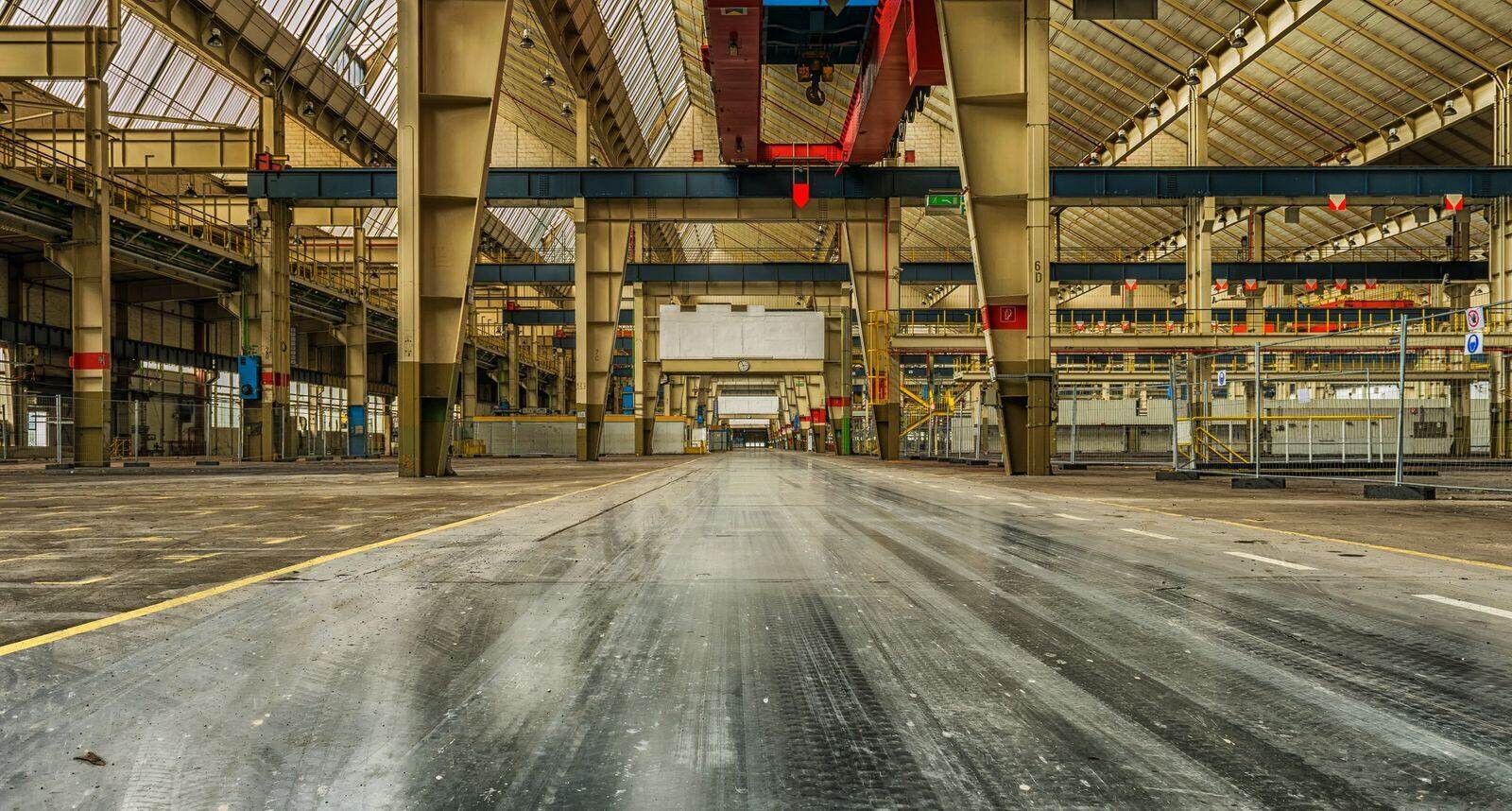
Pottery closures sell in a way no other trade does. The kilns, the jigger and jolley machines, the glaze mills and the mould store are all lotted, and so is the finished ware, and there is often a warehouse of it. Seconds, discontinued lines, samples and the stock from the factory shop are offered by the pallet to traders and retailers. The ware is the part most likely to be written off before anyone has looked at it.
We run closure sales across the six towns and the estates along the A500, for potteries, plastics moulders, food producers and the distribution units at Trentham Lakes and Festival Park. On the first visit we check the approach and the turning room, the loading facilities, the door dimensions and any shared yard, and the findings go in the catalogue so that buyers know what they are coming to before they bid.
Tell us the empty date and what is in the building through the contact form.
Kilns, moulds, glaze and the finished ware
Kilns come in two kinds for our purposes. Intermittent electric and gas kilns can be disconnected by qualified people and moved, and they suit other potteries, studios, schools and colleges. Tunnel kilns are part of the building and rarely move, so they are sold for their controls, burners, fittings and refractory, or left for the landlord by agreement. Tell us which you have.
Moulds are a question of rights. Working moulds for your own shapes sell to whoever wants to make them, but moulds for a customer's licensed range may not be yours to sell, so check the contracts. Case moulds and block moulds are lotted by the shape.
The ware is lotted by line and grade. Firsts, seconds, samples and factory shop stock are kept separate and photographed on the pallet so that a retailer from Newcastle-under-Lyme or a trader from Crewe can bid on what they can see. Glaze, clay, colour and packaging sell as consumables.
Planning the collection days back from the empty date
The estates in this city were laid out for lorries. Fenton Industrial Estate and the A500 corridor sites were built with hard standing and yards, and the M6 is a few minutes away at junctions 15 and 16, so a buyer can send transport rather than come in person. We measure the gate, the yard and the door before we say how long the collection days need to be.
The timetable is built back from the empty date. Viewing happens at the premises while the sale is open, and we would normally propose closing online about a week before handback, with collection over the following days and our staff on site. The order is agreed with you, and it often suits to release the small lots and the pallets of ware before the kilns and presses are rigged out.
Plastics and food units on the same estates follow the same pattern, with injection moulders, granulators, chillers and packing lines in place of kilns. The aim is an empty, swept building before the landlord's inspection.
What these sales can include
- Production machinery
- Finished goods and raw materials
- Warehouse racking
- Forklifts and handling equipment
- Vans, trucks and trailers
- Office furniture and computers
- Workshop tools and benches
- Compressors and site services
- Catering equipment
- Retail fittings and display units
- Vehicle lifts
- Packaging machinery
How we run the sale
We visit, agree the scope and catalogue the lots on site. Everything from the main machines down to the contents of the stores can be included. Small items are grouped into sensible lots so that nothing is left behind.
The sale runs online as a timed auction. Bidders register, view the lots on a set viewing day at your premises, and bid until the closing time. Lots close in sequence, and a late bid extends the closing time on that lot.
Buyers pay the hammer price plus the buyer's premium, with VAT charged where it applies and shown separately on the invoice. They pay us, and you are paid once the sale is reconciled and the collection window has closed, from cleared funds. The auction terms set out what happens if a buyer does not pay or collect. The details for your sale are explained when we discuss it.
The business closure auctions page covers closure sales and the pressure of the date, who needs to agree before you sell, stock, records and the things people forget, collection, clearance and the empty building, when a closure sale is not the answer.
Questions about selling in Stoke-on-Trent
- We have a warehouse full of finished ware. Is it better to sell it separately or with the machinery?
In one sale, normally. The trades that want ware and the trades that want kilns are different, and an online auction lets both bid at the same time without one getting in the way of the other. Splitting the sale means running two timetables against one lease date, which is the practical objection to it. We lot the ware by line and grade, so a retailer can pick the pallets they want.
- Our tunnel kiln cannot be moved. What happens to it?
Usually it stays. A tunnel kiln is built into the floor and the roof, and moving it costs more than it is worth. We sell the parts that come off, such as the controls, burners, cars and spare refractory, and agree with you and the landlord what happens to the shell. Some landlords want it demolished under the lease, and that work has to be priced separately and started early.
More questions about closure auctions
Related services
Guides
- Closing a business: a timeline for selling the assets
Work backwards from the day you hand the site over. This guide covers lease end and dilapidations, when to instruct, when staff should leave, when to keep the power on, and how to leave enough room for collection and making good.