 Britannia Auctions
Business closure auctions in Sunderland
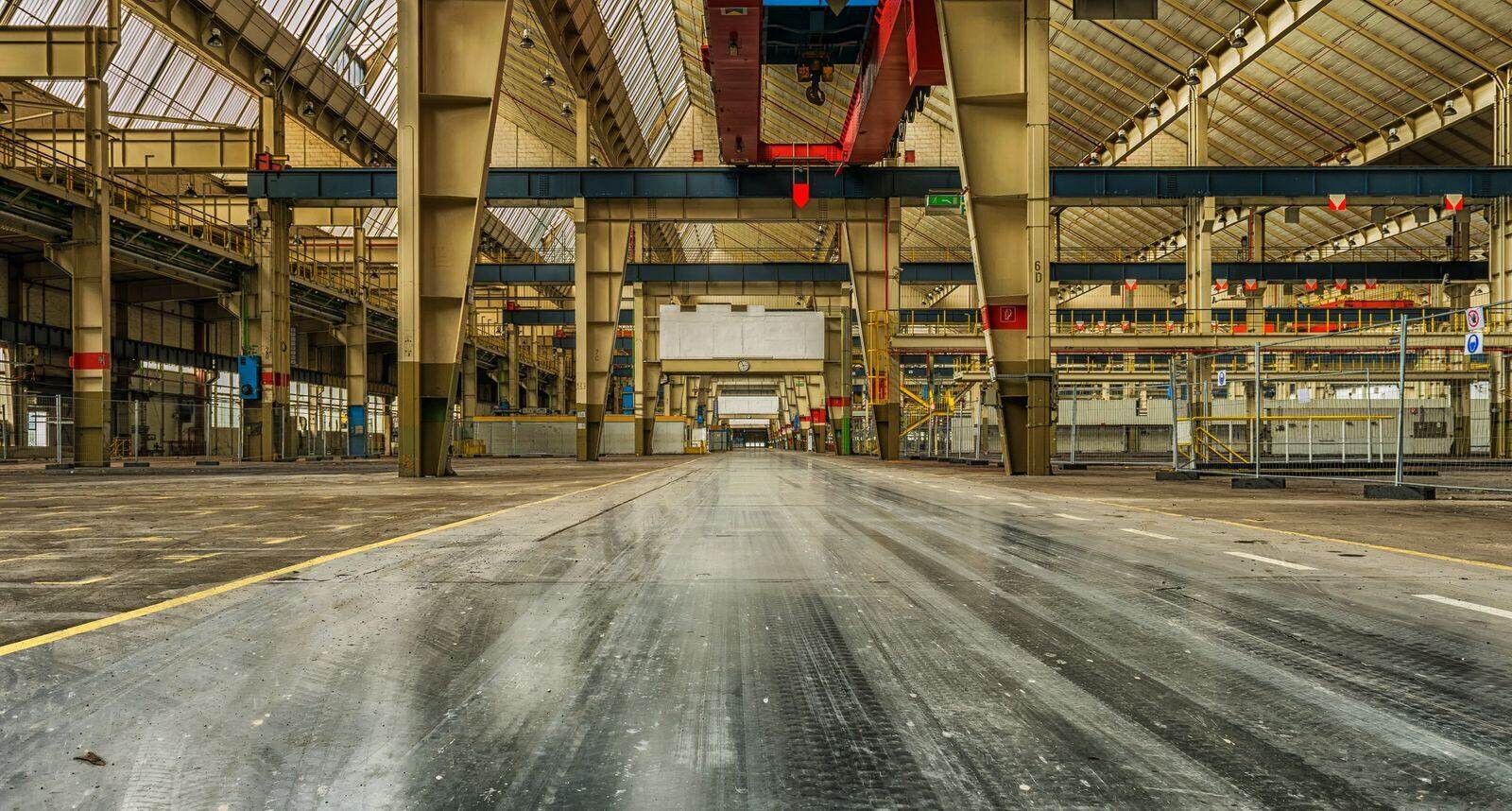
When a model run ends, the supply contract ends with it. A pressings shop or a trim assembly line on the Washington estates can go from full shifts to an empty order book in one quarter, and the lease on the unit will not follow the car maker's timetable. That is the closure sale we see most often around Sunderland.
We catalogue the presses, moulders, assembly jigs and handling kit where they stand, sell them online as a timed auction, and hand the removal to the buyers. The auction is online and open to buyers from any part of the country, and the automotive supply chain at Washington, Gateshead, Durham and Peterlee is well placed to come and look before bidding closes. A robot cell or a moulding machine from a tier two supplier is much the same here as in the Midlands, so the catalogue is written for both.
Send us the plant list and the date the keys go back.
Injection moulders and the tools inside them
Most moulding and pressing shops in the automotive chain run tools that belong to the customer. The car maker or the tier one paid for the mould or the press tool, and it goes back to them before the machine sells. Get that release agreed early. A moulder with a customer tool still clamped in it cannot be lotted, and the customer's engineers may need a week to arrange transport for tooling they have not touched in years.
Once the tools are out, the machines are the straightforward part. Injection moulders, robots, dryers, chillers, granulators and temperature controllers are used across the trade, and bidding for them is open to bidders anywhere in the UK. Assembly benches, conveyors, kanban racking and torque tools from a trim or seating line are lotted too, and other suppliers on the same estates can use them.
Machines that can be run safely stay connected for the viewing day so that your staff can demonstrate them. A moulder a bidder sees cycling tells them more than one already unplugged, and everything else is isolated and left safe.
Collection days on the Washington estates
The estates at Washington and Hylton were built for articulated traffic, and sites such as Pattinson and Armstrong were laid out with level yards. We still measure the road, the gate and the door on each unit, and what we find sets the length of the collection window. The order is agreed with you, and it often suits to release the small lots in vans before the machines, which are rigged by the buyers' contractors with our staff signing lots out against paid invoices.
The older units at Pallion and North Hylton are tighter. Where a machine cannot be got out in the time the lease allows, we move it to our own premises and sell it from there, so the building can still be handed back on the day.
The A19 and the A1(M) put Gateshead, Durham, Peterlee and Teesside within about an hour, so a buyer there can use their own transport or send a haulier. Either way the removal is arranged and paid for by the buyer.
What these sales can include
- Production machinery
- Finished goods and raw materials
- Warehouse racking
- Forklifts and handling equipment
- Vans, trucks and trailers
- Office furniture and computers
- Workshop tools and benches
- Compressors and site services
- Catering equipment
- Retail fittings and display units
- Vehicle lifts
- Packaging machinery
How we run the sale
We visit, agree the scope and catalogue the lots on site. Everything from the main machines down to the contents of the stores can be included. Small items are grouped into sensible lots so that nothing is left behind.
The sale runs online as a timed auction. Bidders register, view the lots on a set viewing day at your premises, and bid until the closing time. Lots close in sequence, and a late bid extends the closing time on that lot.
Buyers pay the hammer price plus the buyer's premium, with VAT charged where it applies and shown separately on the invoice. They pay us, and you are paid once the sale is reconciled and the collection window has closed, from cleared funds. The auction terms set out what happens if a buyer does not pay or collect. The details for your sale are explained when we discuss it.
The business closure auctions page covers closure sales and the pressure of the date, who needs to agree before you sell, stock, records and the things people forget, collection, clearance and the empty building, when a closure sale is not the answer.
Questions about selling in Sunderland
- Our supply contract finishes when the current model ends. When should we book the sale?
As soon as you know the last build date. A closure sale needs a visit, a catalogue, a week or two of bidding and a collection window, and the customer's tooling has to be released before any of that. The tool release is usually the slow part and it is outside our control, so start that conversation with the customer the day you hear the news. We can then set the sale to close after the last parts have shipped and before the keys go back.
- Our automation cells are less than two years old. Is an auction the right route, or should we sell them direct?
If one buyer has already asked, a private treaty sale of the cells alone can make sense, and the rest of the unit still goes to auction. If nobody has, auction is usually the better test of what they are worth. Near new automation is of interest to the supply chain and to integrators, though what it brings turns on the make, the age of the controls and the cost of moving it. We can set a reserve on each cell so that it does not go for less than you would accept.
More questions about closure auctions
Related services
Guides
- Closing a business: a timeline for selling the assets
Work backwards from the day you hand the site over. This guide covers lease end and dilapidations, when to instruct, when staff should leave, when to keep the power on, and how to leave enough room for collection and making good.