 Britannia Auctions
Business closure auctions in Telford
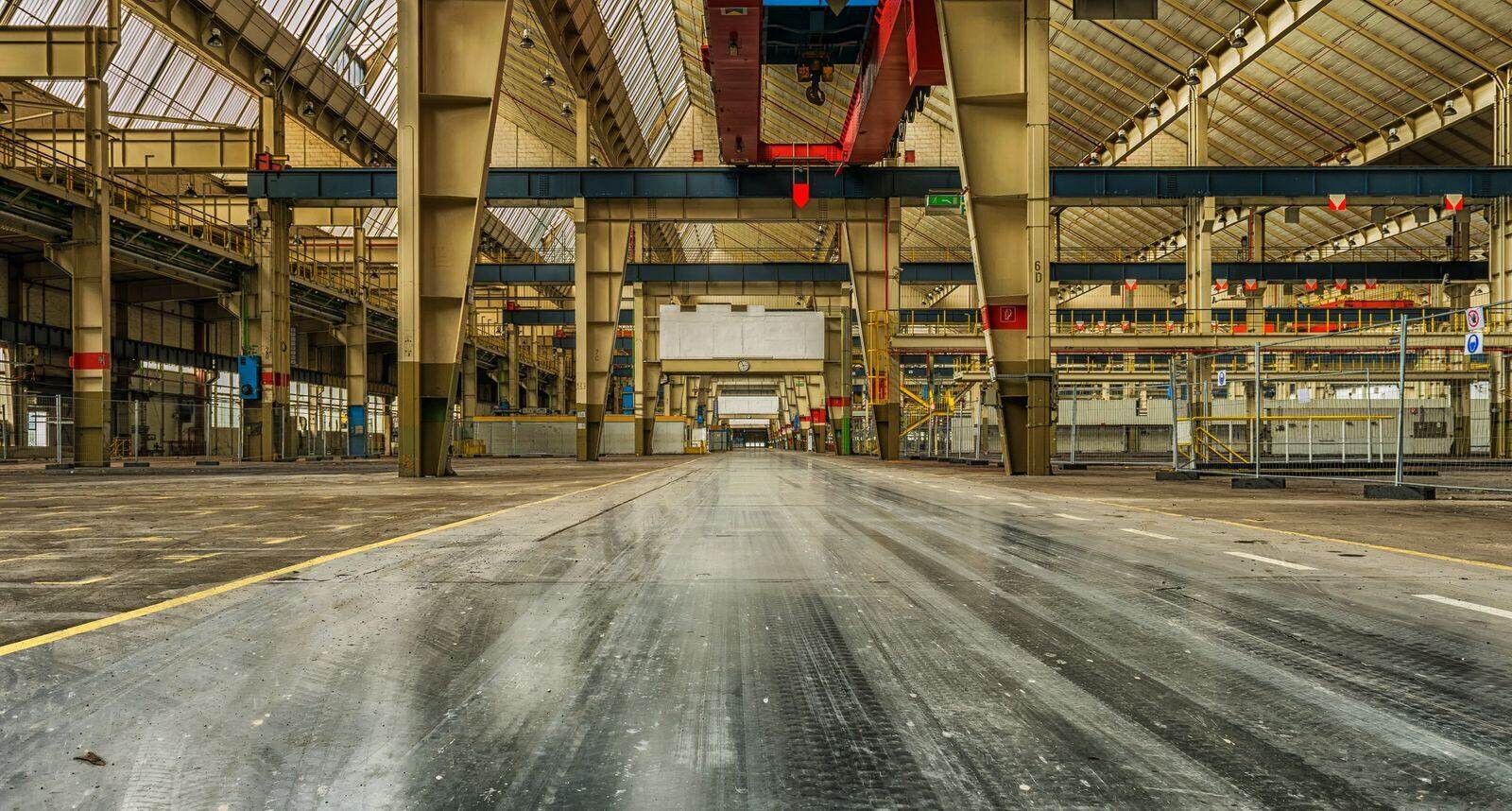
Telford's factory estates were laid out in numbered phases, and a moulding shop on Hortonwood or Halesfield can be on the same phase as its main customer. When that customer moves its work abroad, the moulder is left with a hall of injection machines, granulators, chillers and dryers, a silo of material and a lease that ends on a date the landlord has already written down. Automotive component makers and food processors on Stafford Park reach the same point when a supply contract ends.
A closure auction sells it all in one online timed sale, catalogued where it stands, with a viewing day and a fixed collection window afterwards. The auction is online and open to moulders and engineers across the UK, and the trade at Wolverhampton, Shrewsbury, Stafford and Market Drayton is near enough to view in person.
Use the form to tell us what is on the floor and when the keys go back.
Machines, mould tools and the material in the silo
An injection moulding shop sells in layers, and each layer suits a different buyer. The presses are lotted for other moulders and for dealers, with the tonnage, the shot size, the control and the hours photographed and stated. The ancillary kit, meaning granulators, dryers, chillers, hopper loaders, robots and conveyors, goes in smaller lots that suit a moulder who needs one more of something.
Mould tools need care. Tools made for a customer usually belong to that customer, even if they sat in your tool store for years, and they go back before the viewing day. Tools you own suit whoever can use the part, which is a short list, and we say so.
Material in the silo and on the pallet racking is lotted by the tonne for other processors and is worth clearing properly. Automotive component makers on the same estates bring presses, welders, assembly lines and test rigs, and those follow the same route.
Setting a collection window the site can take
The estates were built for heavy traffic, with wide roads, level yards, turning space and factory doors sized for the machines that went in through them. A low loader from Wolverhampton reaches Stafford Park from junction 4 of the M54 in minutes, and Hortonwood and Halesfield are linked by the A442. We still measure the gate, the yard and the door when we first visit and put the answer in the catalogue.
Where the site allows it, the collection window can be short and still take the heavy lots. The order is agreed with you, and it often suits to release the presses onto the buyers' low loaders first, then the ancillary kit and racking, with the van lots last. Our staff are on site throughout to release lots against paid invoices.
The smaller trade units at Tweedale and Heath Hill are tighter, with shared yards and lower doors. We check those on the first visit and note in the catalogue what vehicle will fit, because a moulding machine on the wrong lorry goes nowhere.
What these sales can include
- Production machinery
- Finished goods and raw materials
- Warehouse racking
- Forklifts and handling equipment
- Vans, trucks and trailers
- Office furniture and computers
- Workshop tools and benches
- Compressors and site services
- Catering equipment
- Retail fittings and display units
- Vehicle lifts
- Packaging machinery
How we run the sale
We visit, agree the scope and catalogue the lots on site. Everything from the main machines down to the contents of the stores can be included. Small items are grouped into sensible lots so that nothing is left behind.
The sale runs online as a timed auction. Bidders register, view the lots on a set viewing day at your premises, and bid until the closing time. Lots close in sequence, and a late bid extends the closing time on that lot.
Buyers pay the hammer price plus the buyer's premium, with VAT charged where it applies and shown separately on the invoice. They pay us, and you are paid once the sale is reconciled and the collection window has closed, from cleared funds. The auction terms set out what happens if a buyer does not pay or collect. The details for your sale are explained when we discuss it.
The business closure auctions page covers closure sales and the pressure of the date, who needs to agree before you sell, stock, records and the things people forget, collection, clearance and the empty building, when a closure sale is not the answer.
Questions about selling in Telford
- Our customer's mould tools are in our tool store and the customer has gone quiet. Can we sell them?
No, not unless you can show that you own them. Tools made to a customer's drawing and paid for by the customer stay theirs, whatever the state of the relationship. Write to the customer, give them a date to collect, and keep the letters. If they still do not respond, take advice before doing anything else, and leave the tools out of the sale. We lot only what is yours or what a lender has agreed to release.
- There is material in the silo and half a hall of regrind. Is any of that worth selling?
Yes, most of it is worth lotting. Virgin material in sealed bags or in the silo is usable by other processors, and regrind suits compounders and moulders who run it in non critical parts. We lot it by grade and by weight, and the buyer brings the tanker or the bags. Contaminated or unlabelled material may not sell, and we tell you which is which after the first visit.
More questions about closure auctions
Related services
Guides
- Closing a business: a timeline for selling the assets
Work backwards from the day you hand the site over. This guide covers lease end and dilapidations, when to instruct, when staff should leave, when to keep the power on, and how to leave enough room for collection and making good.