 Britannia Auctions
Factory and workshop clearance in Liverpool
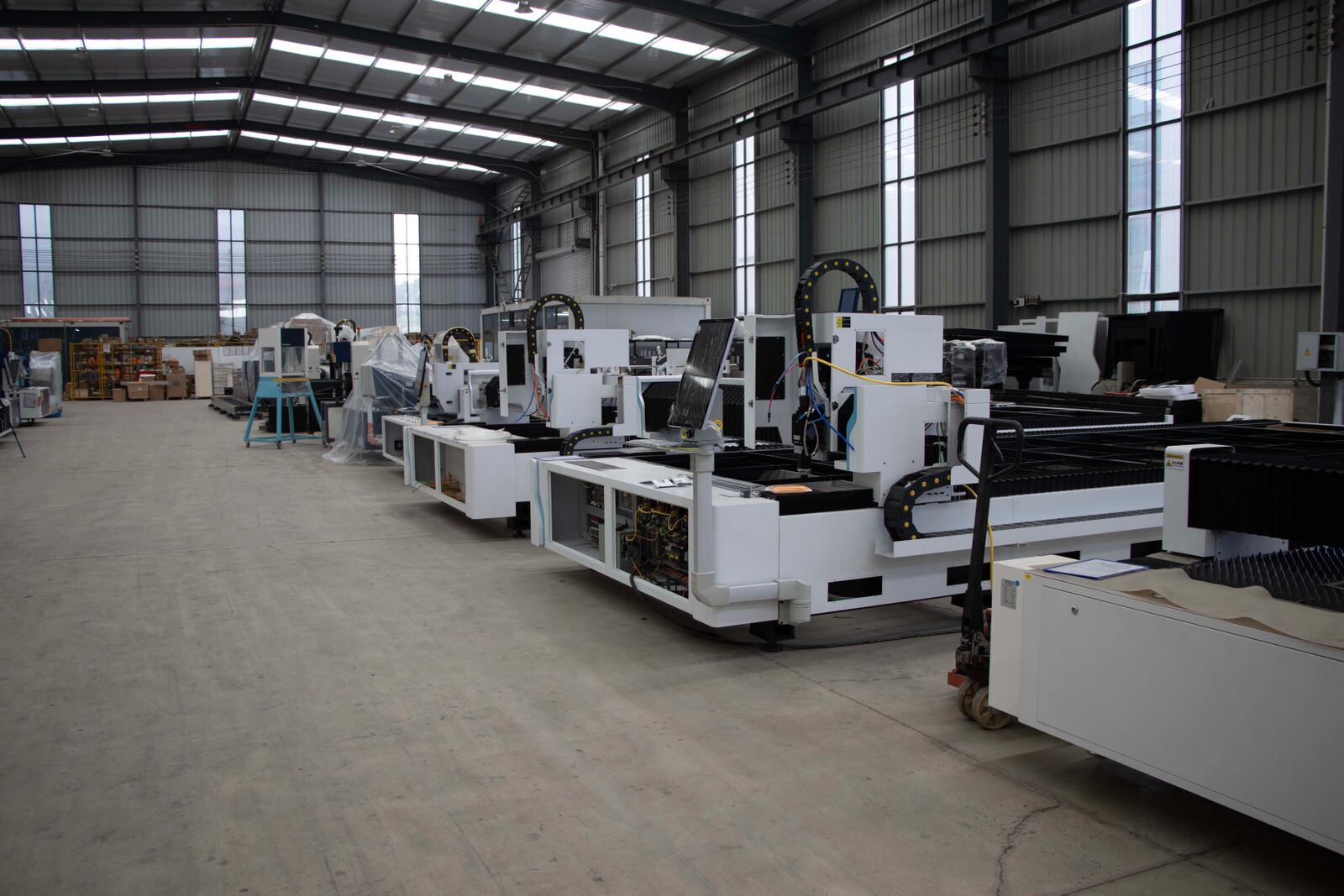
Much of what Liverpool clears is tied to the port. Freight forwarders and hauliers in Bootle, Kirkby, Speke and on the dock estate leave warehouses full of racking, forklifts, pallet trucks and dock levellers, with a workshop for the fleet at the back. Automotive suppliers at Halewood leave presses, assembly fixtures, robots and machine tools. Food producers and pharmaceutical firms leave stainless plant, packing lines, cold storage and clean rooms.
What the vehicles can do varies from the outer estates at Knowsley to the older dockside roads at Seaforth and Bootle, so the road, the yard and the turning space are measured when we first visit and the findings go in the catalogue.
We sell the contents by timed online auction, with a viewing day at the site, and removing the fixed plant and residue afterwards can be arranged where agreed. Send us the address and your deadline.
Warehouses and workshops tied to the docks
A logistics clearance has easy lots and slow ones. Forklifts, reach trucks, pallet trucks and the fleet workshop kit, lifts, compressors, tyre machines, suit operators and dealers, bidding is online and open nationally, and the trade at St Helens, Warrington, Widnes and the Wirral is a short run from a viewing day. Vans and site vehicles go through the same sale.
Racking is the bulk of the job. Long runs of pallet racking, mezzanine floors, conveyor systems and dock levellers are sold as dismantling lots for the buyer to take down, or removed by a contractor after the loose lots have gone where agreed, with the floor fixings ground off.
Bonded and customs warehouses need the authorities informed before stock and equipment leave, and we plan the timetable with that in mind. The clearance does not start until the goods under bond have gone.
Dockside roads and the outer estates
The route out sets the plan on any Liverpool site, and it is measured rather than assumed. On Knowsley Industrial Park and at Speke we check what the yard and the door give an articulated lorry or a low loader. On the older dock estate at Seaforth and Bootle we check the width of the road, the shared yard and the turning circle, and the collection window is built around the answers.
All of that goes into the catalogue as the collection method for each lot. On a tight site a heavy lot may be moved to the door for a hiab, or taken to our own premises and sold from there, depending on what the survey shows.
Automotive and pharmaceutical plant at Halewood and Speke brings its own points. Presses on foundations need a crane. Clean room and lab equipment needs a decontamination certificate before it leaves. Both are planned before the sale opens.
What these sales can include
- Production machinery
- Machine tools and tooling
- Pallet racking and mezzanines
- Compressors and air receivers
- Extraction and filtration systems
- Overhead cranes and hoists
- Forklifts and pallet trucks
- Workbenches, cabinets and stores
- Electrical switchgear
- Office furniture and IT
- Scrap metal and redundant stock
- Vans and site vehicles
The auction stage
We catalogue every saleable item on site, from the main machines down to grouped lots of hand tools and stores. The sale runs online as a timed auction with a viewing day at the premises. The buyer pays the hammer price plus the premium, with VAT charged where it applies and shown separately, and collects during an agreed window.
Lots are offered as seen under the auction terms, and buyers are expected to inspect before bidding. They arrange and pay for dismantling and removal. Where an item must be taken down carefully, such as a mezzanine or an overhead crane, the catalogue says so and it is part of the lot.
You keep the premises accessible, safe and powered until collection ends. We attend to release lots. The more that leaves through the auction, the less there is to clear at cost afterwards.
The factory and workshop clearance page covers clearance is a different job from a sale, everything that has to come out, the clearance stage, timescales and what slows them down, when a clearance is the wrong approach.
Questions about selling in Liverpool
- Our unit is on the dock estate at Bootle with a shared yard. Is that a problem for collection?
It changes the plan rather than stops it. We book collection slots so that buyers' vehicles are not all in the yard at once, and we agree the heavy lifts with the neighbours in advance. Where a low loader cannot get in, we work out what can, which may be a rigid lorry with a hiab, with the heaviest lots moved to the door ready for it. If even that will not work, the lots can go to our own premises for buyers to collect from there instead.
- We have stock under bond in the warehouse. When can the clearance start?
After the bonded goods have been released or moved, with the customs authorities informed. We can catalogue the equipment while the stock is still there, so the auction is ready to open the day the last pallet leaves, but collection cannot start until the bond has been cleared from the building. The forklifts and pallet trucks are usually the last lots collected, because you will need them to move the stock out. We plan the dates around that.
More questions about factory clearance
Related services
Guides
- How a commercial asset auction works
A stage by stage account of an online timed auction for business assets. It covers the asset schedule, cataloguing, viewing days, how bidding closes, buyer's premium and VAT, collection and how you get paid.
- Preparing machinery and equipment for sale
What to do before viewing day. Keep the machines that can be run safely available to demonstrate, isolate the rest, clean but do not repaint, find the tooling and manuals, and sort out access for removal.