 Britannia Auctions
Factory and workshop clearance in Northampton
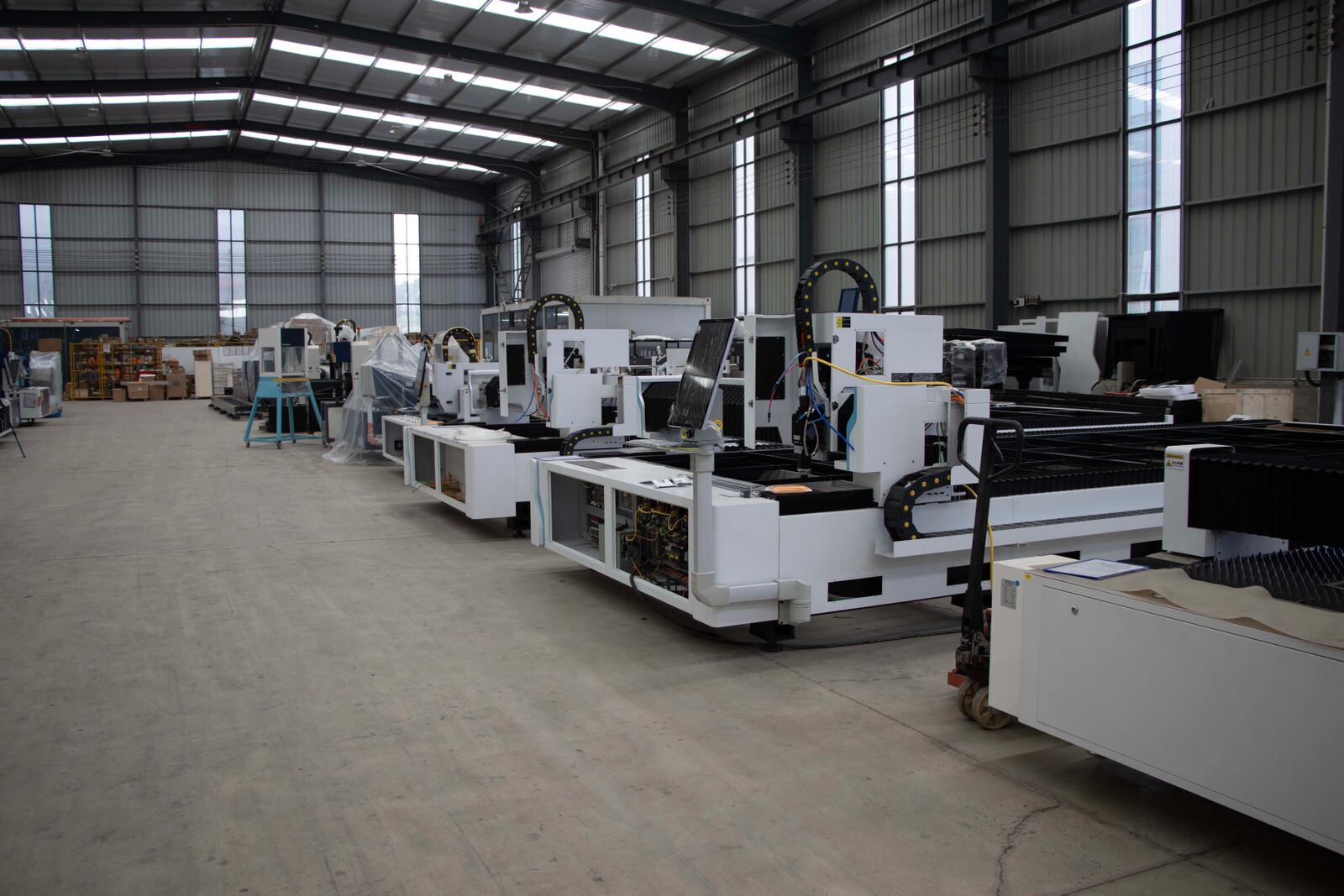
Northampton's older industrial buildings are shoe factories, and some are still shoe factories. When one closes, the machinery on the floors is specialised: clicking presses, skiving and splitting machines, lasting and welting machines, post bed and flat bed stitchers, sole presses, finishing lines and a leather store. The buyers for that are few and spread across the country and abroad, so the sale is online first and the viewing day is for the local trade.
The newer buildings are the sheds at Brackmills, Swan Valley and Pineham. Those clearances are racking, conveyors, sorters and handling equipment, with a fleet workshop for the haulage and pallet firms that run from them.
We do both. One auction for everything with resale value, and a strip out afterwards where agreed. Tell us what the building is and when it has to be clear.
The last machines on the shoe factory floor
Footwear machinery is worth more to the right buyer than to the local scrap merchant, and the right buyer is rarely in the county. Manufacturers here, repairers and makers overseas bid online for stitchers, lasting machines and clicking presses, and each machine is photographed and described by make, model, age and condition so a distant buyer can bid on it. Lasts, patterns and knives are catalogued in grouped lots.
The buildings are the harder part. Factories in the town are often three or four storeys with a goods lift that may not be rated for the heaviest machine, and the street outside was laid out for carts. We assess the lift and its rating, the stairs, the loading door and the street before the catalogue is written, and mark each lot with how it comes out. That depends on the weight and dimensions of the machine and the route: a stitching machine may go down the stairs with suitable handling gear, a sole press may need a window opening and a crane, or to come out in sections.
Racking down and floor ground flat at Brackmills
A parcel depot or warehouse clearance runs to a pattern. The loose lots go first, reach trucks, counterbalance forklifts, pallet trucks, dock levellers, packing stations and the sortation conveyors, and Wellingborough, Kettering, Daventry and Rugby are able to get to a viewing day without a long trip for the forklifts and fleet workshop kit. Yards here were built around articulated traffic, and we confirm what each takes first.
Racking is sold by the run as a dismantling lot, or taken down by a contractor after the loose lots have gone where agreed. Floor bolts are ground flush and the slab left to the standard the schedule of condition sets.
Lease events set the date, usually a rent quarter day or a break clause. Working back from the handover, we propose an auction close that leaves the collection window and the strip out room, each needing time set by the number of lots, the access and how quickly buyers pay.
What these sales can include
- Production machinery
- Machine tools and tooling
- Pallet racking and mezzanines
- Compressors and air receivers
- Extraction and filtration systems
- Overhead cranes and hoists
- Forklifts and pallet trucks
- Workbenches, cabinets and stores
- Electrical switchgear
- Office furniture and IT
- Scrap metal and redundant stock
- Vans and site vehicles
The auction stage
We catalogue every saleable item on site, from the main machines down to grouped lots of hand tools and stores. The sale runs online as a timed auction with a viewing day at the premises. The buyer pays the hammer price plus the premium, with VAT charged where it applies and shown separately, and collects during an agreed window.
Lots are offered as seen under the auction terms, and buyers are expected to inspect before bidding. They arrange and pay for dismantling and removal. Where an item must be taken down carefully, such as a mezzanine or an overhead crane, the catalogue says so and it is part of the lot.
You keep the premises accessible, safe and powered until collection ends. We attend to release lots. The more that leaves through the auction, the less there is to clear at cost afterwards.
The factory and workshop clearance page covers clearance is a different job from a sale, everything that has to come out, the clearance stage, timescales and what slows them down, when a clearance is the wrong approach.
Questions about selling in Northampton
- We are a haulage firm at Swan Valley with a fleet workshop and a fuel tank. Does the tank come out?
It depends on the lease and on whether the next tenant wants it. Above ground tanks and bunded units sell, and they go in the auction once the fuel has been drained by a licensed contractor and the tank cleaned and certified. Underground tanks are usually fixtures and are decommissioned to the landlord's instruction rather than removed. The workshop lifts, compressors, tyre equipment and diagnostic kit suit garages and operators, and vans and site vehicles go in the same sale with the paperwork checked first.
- Our shoe factory has machines that were bought second hand decades ago. Are they worth selling?
Often, yes. Older footwear machinery was built to last, and a working lasting machine or clicking press has a market among makers and repairers here and overseas. What matters is that it runs and that the tooling is with it. Machines that can safely be run stay connected for the viewing so they can be demonstrated, by your staff where agreed, and video helps a distant bidder. Anything beyond use sells for scrap value in grouped lots, and we tell you which is which after the first visit rather than guessing on the phone.
More questions about factory clearance
Related services
Guides
- How a commercial asset auction works
A stage by stage account of an online timed auction for business assets. It covers the asset schedule, cataloguing, viewing days, how bidding closes, buyer's premium and VAT, collection and how you get paid.
- Preparing machinery and equipment for sale
What to do before viewing day. Keep the machines that can be run safely available to demonstrate, isolate the rest, clean but do not repaint, find the tooling and manuals, and sort out access for removal.