 Britannia Auctions
Factory and workshop clearance in Peterborough
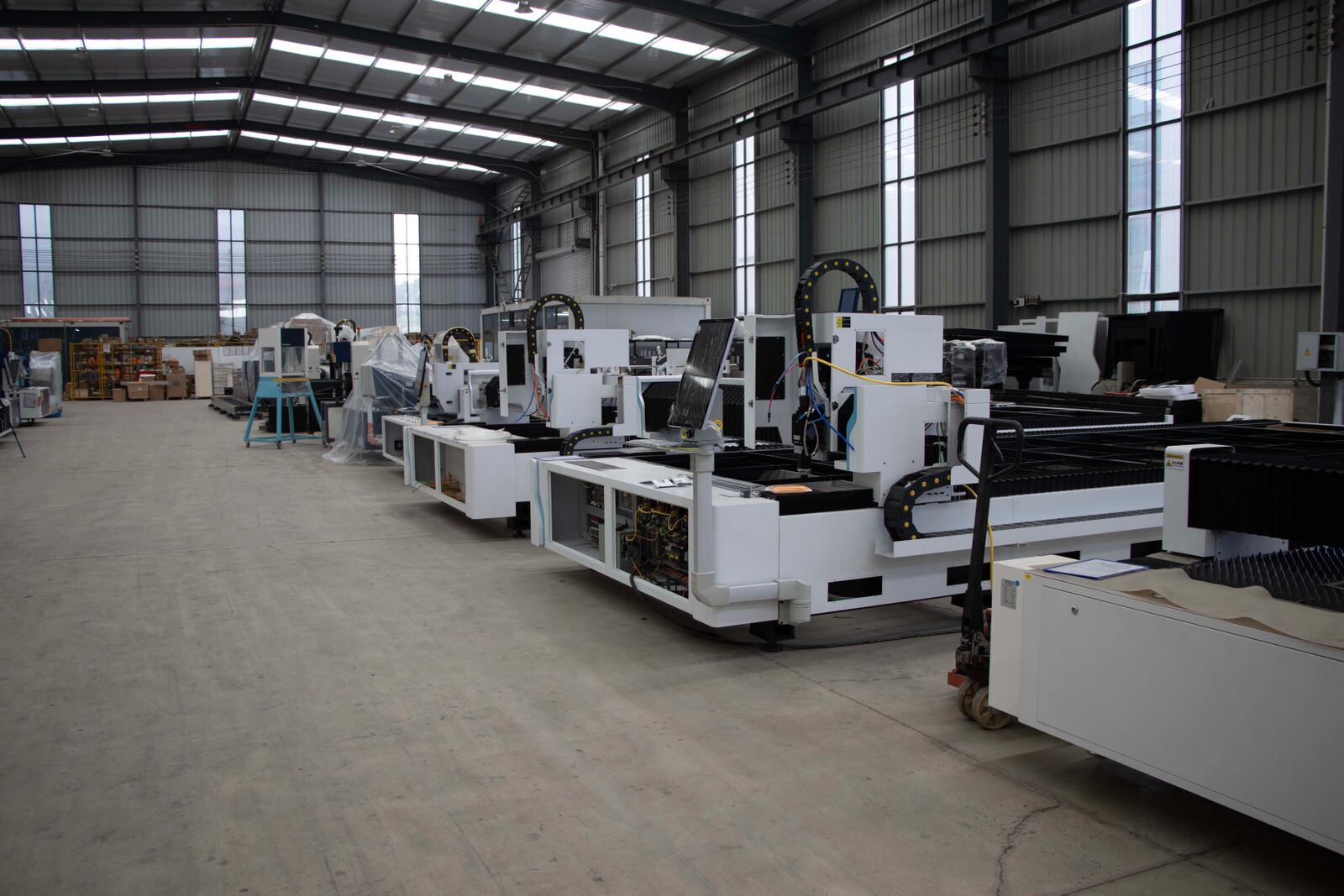
A horizontal borer on the ground floor at Fengate is a straightforward lot. The same machine three units down, where the floor has been raised and the door narrowed, is a rigging job, and the price it fetches depends on how the buyer can get it out. That is the difference we plan for on every Peterborough clearance.
The city's engineering firms grew up around diesel engines and agricultural machinery, and the machine shops on Fengate, Orton Southgate and Woodston hold the kind of kit with a market across the UK: CNC lathes and machining centres, borers, grinders, presses, cranes and tooling by the cabinet. Print works and packaging plants add presses, guillotines, folders and finishing lines. Food processors leave stainless steel, refrigeration, conveyors and packing lines.
We sell all of it in one online timed auction, and a strip out to leave the building clear can be arranged where agreed. Send us the address and your handover date.
Machine shops that fed the engine and tractor plants
Precision machining is well represented in the city, so a closing subcontractor's machining centres, lathes, grinders and inspection equipment have a trade nearby as well as a national one. The shops at Stamford, Huntingdon, Corby and Spalding are within reach of a viewing day, and bidding is online so dealers can bid on the larger CNC machines from anywhere. The sale is set up to reach both.
Tooling is where the value hides. Boring bars, chucks, collets, inserts and gauges are catalogued in grouped lots by type, and a clean, well ordered tool store is worth valuing properly rather than writing off against the cost of the clearance. Customer owned jigs and fixtures are set aside and returned before anything else is listed.
The overhead crane is a fixture unless the lease says otherwise, and we settle that with the landlord at the start. Compressors, air receivers, dryers and the pipework come out as part of the strip out.
Print presses need the riggers booked first
A print works clearance is about the presses. A sheet fed press is heavy, sits on a prepared floor and comes out in sections, and the buyer is usually a dealer who sends a rigging crew. We catalogue it as a dismantling lot with the removal method in the description, and the site time is booked around an order agreed with you. Guillotines, folders, stitchers and the finishing kit follow in the same window.
Food processing sites on the eastern estates leave stainless tables, conveyors, mixers, ovens and chilled plant. The refrigerant has to be recovered by a certified engineer before the units move, and food contact equipment shows better cleaned before the viewing.
Both kinds of site sit within a short run of the A1(M) and the A47. The estates were laid out for goods vehicles, and what each yard and door gives a low loader goes in the catalogue.
What these sales can include
- Production machinery
- Machine tools and tooling
- Pallet racking and mezzanines
- Compressors and air receivers
- Extraction and filtration systems
- Overhead cranes and hoists
- Forklifts and pallet trucks
- Workbenches, cabinets and stores
- Electrical switchgear
- Office furniture and IT
- Scrap metal and redundant stock
- Vans and site vehicles
The auction stage
We catalogue every saleable item on site, from the main machines down to grouped lots of hand tools and stores. The sale runs online as a timed auction with a viewing day at the premises. The buyer pays the hammer price plus the premium, with VAT charged where it applies and shown separately, and collects during an agreed window.
Lots are offered as seen under the auction terms, and buyers are expected to inspect before bidding. They arrange and pay for dismantling and removal. Where an item must be taken down carefully, such as a mezzanine or an overhead crane, the catalogue says so and it is part of the lot.
You keep the premises accessible, safe and powered until collection ends. We attend to release lots. The more that leaves through the auction, the less there is to clear at cost afterwards.
The factory and workshop clearance page covers clearance is a different job from a sale, everything that has to come out, the clearance stage, timescales and what slows them down, when a clearance is the wrong approach.
Questions about selling in Peterborough
- We are a machine shop on Orton Southgate with a landlord who wants the floor made good. What does that involve?
Machines are bolted to the slab and often sit on grout beds or in pits. Once the buyer has removed the machine, a contractor can cut the bolts flush, break out raised plinths, fill pits where the lease calls for it and leave the floor level, with oil contaminated ground cleaned. That work is quoted and agreed first. We agree the standard with the landlord or agent before the sale, so the strip out matches what the dilapidations schedule asks for and nothing is done twice.
- The company is in administration and the administrator wants the site empty within a few weeks. Is that possible?
Usually, for a single unit. Cataloguing can start within days, bidding runs a week or two with the viewing inside it, then the collection window and the strip out. Each stage moves with the number of lots, the access and how quickly buyers pay. What stretches the timescale is heavy plant that needs a rigging crew, fixed services and a large residual of scrap and stock. We tell the administrator on our first visit what is realistic, and we set the auction date from the handover date backwards.
More questions about factory clearance
Related services
Guides
- How a commercial asset auction works
A stage by stage account of an online timed auction for business assets. It covers the asset schedule, cataloguing, viewing days, how bidding closes, buyer's premium and VAT, collection and how you get paid.
- Preparing machinery and equipment for sale
What to do before viewing day. Keep the machines that can be run safely available to demonstrate, isolate the rest, clean but do not repaint, find the tooling and manuals, and sort out access for removal.