 Britannia Auctions
Factory and workshop clearance in Preston
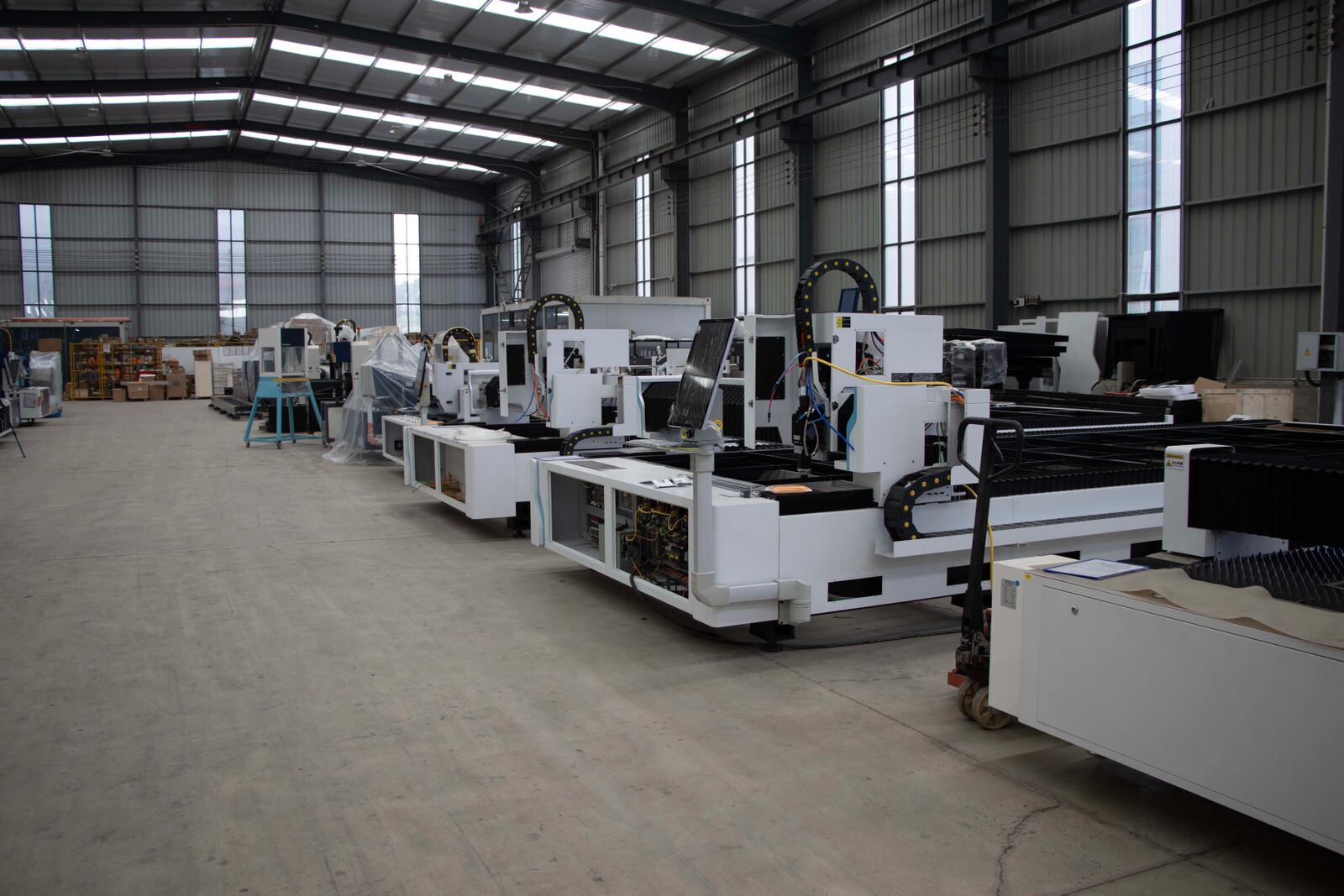
An aerospace subcontractor's workshop holds two kinds of thing. There is the plant the firm owns, the machining centres, the CMM, the autoclave, the tool cabinets, and there is what it holds for the prime: jigs, fixtures, patterns, drawings and part finished work. Around Samlesbury and on the city estates, many of the machining and composites shops in the supply chain are in that position, and a clearance has to sort one from the other before a catalogue can be written.
The rest of Preston is more usual. Food producers on Roman Way leave stainless plant and refrigeration. Distribution units at Red Scar and Walton Summit leave racking and handling kit. Engineering and fabrication shops on the older estates leave the welding bays and the press brake.
We sell everything with a value in one online auction, and a strip out can be arranged afterwards where agreed. Tell us what the building holds and when it has to be clear.
Sorting customer tooling before the catalogue is written
Aerospace work is done on tooling that usually belongs to the customer. Fixtures, jigs, gauges, moulds and the layup tools for composite parts are often the prime's property under a tooling agreement, and so is any material or part finished work in the shop. The first visit is a walk round with the asset register and the tooling schedule, tagging what is not yours. That is stored apart and returned, and only then is the rest catalogued.
What is yours has a broad market. Five axis machining centres, lathes, grinders, coordinate measuring machines, autoclaves, ovens, clean layup rooms and the inspection kit suit other subcontractors, the trade along the M6 is near enough to get to a viewing day, and bidding is online. Calibration certificates and machine logs are part of what a bidder judges, so we ask for them when we first visit.
Food plant off the A59 and sheds at Walton Summit
A food production unit at Roman Way clears on a different rhythm. The plant is stainless: tables, mixers, ovens, fryers, conveyors, packing lines, chillers and cold rooms. The refrigerant is recovered by a certified engineer before anything moves, and equipment shows better cleaned than dirty, so the viewing day follows a wash down. The food trade across Lancashire is within easy reach of it, and catering equipment dealers bid online.
The distribution sheds at Walton Summit and Red Scar are racking, forklifts, dock levellers and a fleet workshop. The haulage trade at Chorley, Leyland, Blackburn and Blackpool is able to get to a viewing day without a long trip for those lots, and the M6 at junction 29 or 31 keeps a buyer's lorry out of the city centre.
Where the time goes is the racking. It comes down after the loose lots have gone, by the buyer as a dismantling lot, or by a contractor where agreed, and the floor is left to the schedule of condition.
What these sales can include
- Production machinery
- Machine tools and tooling
- Pallet racking and mezzanines
- Compressors and air receivers
- Extraction and filtration systems
- Overhead cranes and hoists
- Forklifts and pallet trucks
- Workbenches, cabinets and stores
- Electrical switchgear
- Office furniture and IT
- Scrap metal and redundant stock
- Vans and site vehicles
The auction stage
We catalogue every saleable item on site, from the main machines down to grouped lots of hand tools and stores. The sale runs online as a timed auction with a viewing day at the premises. The buyer pays the hammer price plus the premium, with VAT charged where it applies and shown separately, and collects during an agreed window.
Lots are offered as seen under the auction terms, and buyers are expected to inspect before bidding. They arrange and pay for dismantling and removal. Where an item must be taken down carefully, such as a mezzanine or an overhead crane, the catalogue says so and it is part of the lot.
You keep the premises accessible, safe and powered until collection ends. We attend to release lots. The more that leaves through the auction, the less there is to clear at cost afterwards.
The factory and workshop clearance page covers clearance is a different job from a sale, everything that has to come out, the clearance stage, timescales and what slows them down, when a clearance is the wrong approach.
Questions about selling in Preston
- We machine parts for a prime contractor and some of the tooling is theirs. How do you keep it out of the sale?
We ask for the tooling agreement and the asset register during our first visit, then walk the shop with you and tag every item the customer owns or has paid for. Those are photographed, listed and stored apart until the customer collects them or tells us in writing what to do. Nothing tagged goes in the catalogue. A machine on finance or lease gets the same treatment, because it belongs to the funder until it is settled. It takes a morning and it stops a claim after the sale.
- Our composites shop has an autoclave and a large oven. Can they be sold or are they fixtures?
Both sell if the lease allows removal. An autoclave is a pressure vessel and goes with its inspection records and certificate, and what those show is part of what a bidder is judging. It is usually plumbed to a compressor and a nitrogen supply and sits on a prepared base, so it is catalogued as a dismantling lot with the removal method in the description and the buyer pays for the lift. Ovens go the same way. If the landlord treats them as fixtures, they stay, and we settle that when we first visit.
More questions about factory clearance
Related services
Guides
- How a commercial asset auction works
A stage by stage account of an online timed auction for business assets. It covers the asset schedule, cataloguing, viewing days, how bidding closes, buyer's premium and VAT, collection and how you get paid.
- Preparing machinery and equipment for sale
What to do before viewing day. Keep the machines that can be run safely available to demonstrate, isolate the rest, clean but do not repaint, find the tooling and manuals, and sort out access for removal.